Average sheep and beef farm profit is forecast to double this year, and rural communities are set to reap the benefits.
According to Beef+Lamb New Zealand's Mid-Season Update report, average farm profit is forecast to climb to $287,600/farm in 2025-26.
Red meat farmers are expected to generate $8.5 billion on farm this year and spend $16 million every day on goods and services, largely in their local communities.
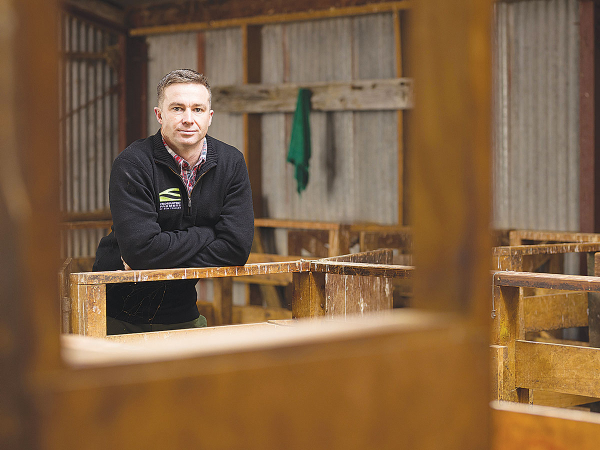
Federated Farmers meat and wool chair Richard Dawkins says a return to profit this financial year will be a welcome relief after some tough seasons.
"The extra revenue will flow straight into rural communities," Dawkins told Rural News.
"This will be on things like extra fencing, weed control, pasture renewal or fertiliser. That keeps the money circulating through our support industries and rural communities."
For many farmers, deferred repairs and maintenance are top of the list, alongside paying down debt.
"We all know commodity prices go up and down, so building a more resilient business is key," adds Dawkins.
B+LNZ chair Kate Acland says the report painted a positive picture for the sector with farmers cautiously optimistic.
"Farmgate numbers for 2025-26 have moved materially since our New Season Outlook in September, with stronger global red meat demand and tighter international supply underpinning livestock prices here at home.
"This is a welcome lift for New Zealand's sheep and beef farmers."
Dawkins agrees that farmers are riding a real high.
"Strong returns across sheep, beef, and wool, along with a favourable climate, sensible policies, and decent interest rates; this combination is rare, so there's a lot of optimism out there."
But B+LNZ warns there's still a high degree of uncertainty with geopolitical risks on many farmers' minds, including the US tariffs situation and the ongoing conflict in the Middle East.
"We are seeing volatility in key input costs because of the disruption to global supply chains," says Acland.
Dawkins says that while farmers are enjoying conditions right now, they are wary of fuel availability and rising costs.
"On top of that, softer schedule prices are forecast, so global uncertainties have taken some shine off."
However, market fundamentals are sound with strong demand for beef into North America and for lamb into the European Union and the United Kingdom.
Demand and pricing in China remain softer, but overall the global picture is far more positive than it has been in recent years, according to B+LNZ.