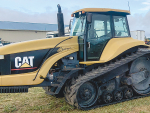
CAT's 100th anniversary
While instantly recognised as the major player in construction equipment, Caterpillar Inc, more commonly known as CAT, has its roots set in the farming regions in the west of the United States.




 increase font size
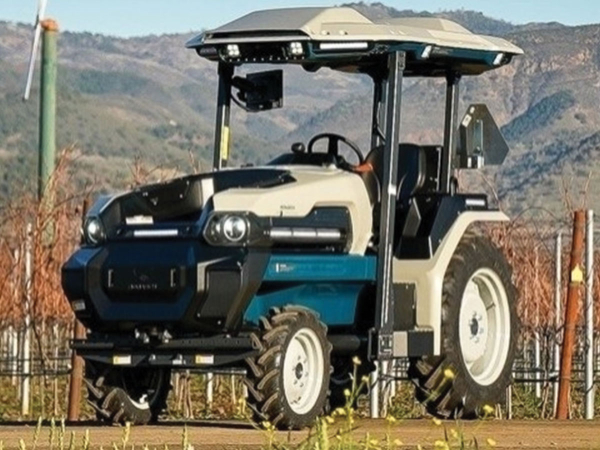 American firm Monarch Tractor manufactures selfdriving electric tractors.
While yet to be confirmed, Caterpillar has reportedly bought the technology behind the self-driving electric tractors made by American firm Monarch Tractor, who more recently were planning a move away from tractors towards autonomous operations.
US media report the construction giant has acquired the software, electric drive technology and engineering team of the financially strapped California-based startup.
The move is said to align with Cat’s core business of construction and industrial machinery, where automation and electrification are becoming more prominent. Interestingly, the acquisition might also signal CAT making a return to the agricultural market.
Launched in 2018, Monarch previewed the MK-V prototype at the end of 2020, before moving into production in early 2023.
It featured an electric drivetrain that provided 40hp of continuous power and a short duration peak of up to 70hp.
Monarch was funded by winegrower Carlo Mondavi and former Tesla executive Mark Schwager, raising around US$250 million over the last eight years.
CNH Industrial also held a minority share in the NA startup, with Monarch technology playing a role in the autonomous New Holland T4 Electric Power prototype.
While instantly recognised as the major player in construction equipment, Caterpillar Inc, more commonly known as CAT, has its roots set in the farming regions in the west of the United States.
IMAGINE LOOKING across the farm and being pleased to see hundreds of creatures vomiting and dying of dehydration.
Sounds surreal, but it's becoming reality thanks to smart scientists working on porina caterpillar control.


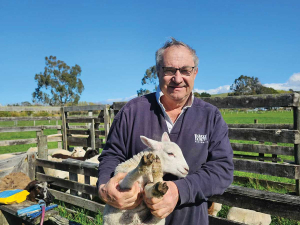
Decades piloting planes has ensured vet and farmer David Hayes is focused on safety. So, after a serious accident while welding on farm, he is sharing his experience so others can learn from it.
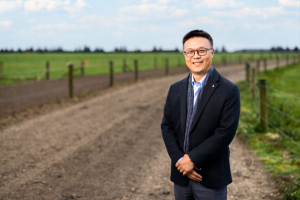
Canterbury milk processor, Synlait Milk has confirmed Leon Fung as its chief executive officer.
OPINION: Making it easier to collect rainwater and use it to grow crops and livestock is a no brainer.
As part of its Election 2026 coverage, Rural News asked political parties how they would help pull the arable sector out of the doldrums. Here's what they said:
Farmers are being encouraged to rethink how they manage waste on farm with the launch of ruralwastesorted.co.nz, a new website bringing together practical tips, real farmer experiences and resources.
New Zealand Winegrowers (NZW) is celebrating the India-New Zealand Free Trade Agreement (FTA) coming into force today, bringing New Zealand wine improved access to one of the world’s fastest-growing economies.



OPINION: The same mainstream media muppets that brought you Jacindamania in 2017 have been flat out pimping for the Opportunities…
OPINION: Your old mate reckons the atrocious way farmers in the UK are treated by their lords and masters in…




