Federated Farmers Praises Labour's Emissions Tax Backdown
For the first time in a quarter of a century, Federated Farmers has something positive to say about the Labour Party’s climate change policy leading into a general election.




 increase font size
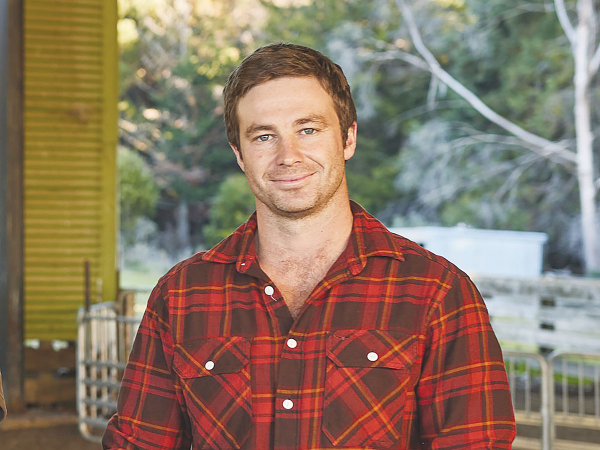 Federated Farmers meat and wool industry chair Richard Dawkins.
The red meat sector finds itself in "a very rare set of circumstances", says Federated Farmers meat and wool industry chair Richard Dawkins.
He describes the mood as "overwhelmingly positive".
"We're seeing strong returns across sheep, beef and even wool, which is a welcome change," Dawkins told Rural News.
"Combined with easing interest rates, good feed conditions and a more supportive policy environment, it's a very rare set of circumstances for the sector to be operating in."
NZ beef prices are well on course to post a season average record.
BNZ senior economist Doug Steel says their current forecast for the 2025/26 season is for average prices to be around 23% higher than the previous season.
This follows a couple of tougher seasons in 2022/23 and 2023/24.
"On an inflation adjusted basis, this season's average beef price will be the highest since at least 1991," Steel says.
Beef farmers are certainly seeing that strength on the ground.
According to Dawkins, in some cases, store cattle are selling for more than what prime stock were worth not long ago, which shows just how quickly the market has turned.
The past few seasons have been difficult for red meat farmers. Dawkins says the turnaround this season comes as a real relief.
"Many farmers are using the lift to pay down short term debt and catch up on deferred maintenance.
"But it also gives people hope that, with the outlook looking solid, they may finally be able to reinvest back into their farms and businesses."
Dawkins expects this season to be a profitable one for many red meat farmers.
"That said, every farm business faces its own pressures, whether that's weather events, high input costs or succession challenges.
"So, while the overall mood is very positive, we should remain mindful that not everyone will be in the same position."
For the first time in a quarter of a century, Federated Farmers has something positive to say about the Labour Party’s climate change policy leading into a general election.
Will a stronger, more coordinated voice help rebuild confidence and improve returns in the wool sector?
New Zealand's pest problem has reached crisis point, according to Federated Farmers' second National Pests Survey, which shows farmers are spending more money and effort on control — yet pest numbers keep climbing faster than they were two years ago.
OPINION: As the general election approaches, political parties are churning out policies in the hope of attracting more votes.
Red meat farmers are using higher farmgate returns to make their farms more resilient, says Federated Farmers meat and wool industry group chair Richard Dawkins.


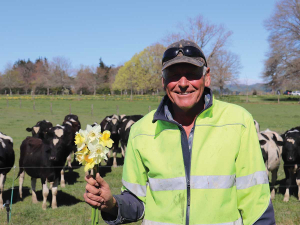
South of the central Hawke’s Bay town of Waipukurau is Taniwha Station – a highly successful 550ha bull beef farming operation.
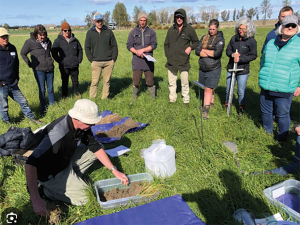
Beef + Lamb NZ funded research has shown that some simple changes to pasture management could help farmers make better use of rainfall and build resilience before dry conditions hit.
OPINION: There could hardly be a more appropriate theme for a conference than the one chosen by the red meat sector - Navigating Volatility.
When Northland leather worker Vernon Suckling started making horse saddles 50 years ago, quad bikes and side-by-side vehicles were unheard of.
Alliance Group has confirmed that eligible farmer-shareholders who supply and continue to back the business will receive up to $20 million later this year, following the strategic investment partnership with Dawn Meats.
With a general election under five weeks away, Rural News is asking major political parties about their policies and positions on key issues facing the primary sector. We will run their responses to each question over the next four weeks. The ACT Party and the Greens didn't respond in time.




OPINION: The same mainstream media muppets that brought you Jacindamania in 2017 have been flat out pimping for the Opportunities…
OPINION: Your old mate reckons the atrocious way farmers in the UK are treated by their lords and masters in…