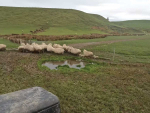
Southland Farmer Faces $120k Lamb Loss After Wet Spring
Southland's wet winter and spring will potentially cost Wyndham sheep and beef farmer Ben Dooley between $100,000 and $120,000 in lamb losses.




 increase font size
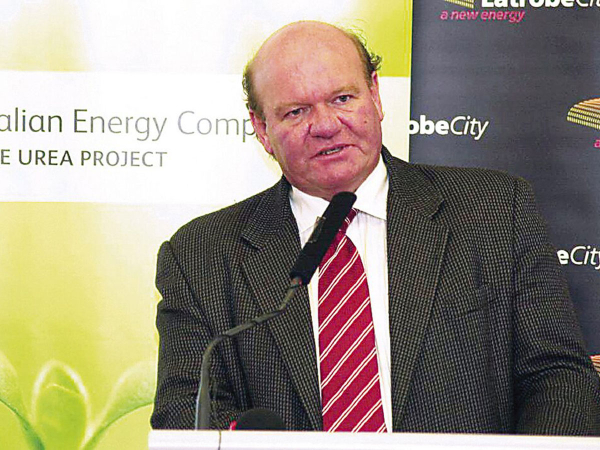 Victorian Hydrogen executive director Allan Blood.
New Zealand’s reliance on imported urea could soon be a thing of the past.
A major new 1.5 million tonne per year urea fertiliser project is set to be developed in Southland, offering an environmentally innovative and strategically significant alternative to imported urea fertiliser.
The proposed $3 billion project, intended to be located about 30 kilometres northeast of Invercargill, will give New Zealand’s agricultural sector self-sufficiency, which is critical to the long-term security and performance of an economy heavily dependent on agriculture.
Developed by Australian-based Victorian Hydrogen, the project will also deliver significant investment and employment opportunities in Southland.
“The Southland lignite-to-urea project represents a transformative opportunity for New Zealand’s fertiliser supply chain,” says Victorian Hydrogen executive director Allan Blood.
“By combining proven global technologies with local innovation, we aim to deliver high-quality urea at competitive prices while supporting long-term sustainable agricultural growth and addressing climate challenges.”
New Zealand currently imports 500,000 tonnes of urea annually. In addition New Zealand manufactures 265,000 tonnes, but falling gas supply means domestic production might end.
Ballance Agri Nutrients, which operates the Kapuni urea plant in Taranaki, is facing gas supply issues.
It has been mulling snowballing the country’s only ammonia-urea manufacturing facility.
The proposed facility aims to:
The Southland facility will employ a proven lignite gasification process:
Blood says the technology is well established globally.
The world’s latest urea plant, using technology identical to that to be used in Southland, was commissioned in Zambia in late 2025.
“The Southland project is about applying this existing technology in a smarter and cleaner way,” Blood says.
“We are committed to mitigating the greenhouse gas impacts before the project proceeds, not after.
“Environmental management will be central to the project’s design, with various opportunities being looked at. These include using CO₂ to make algae-based cattle feed, liquid fuels, construction materials, and in inhibitor technologies to reduce nitrous oxide emissions.”
Blood emphasises the company’s dedication to transparent engagement with stakeholders, including local iwi, Ngāi Tahu rūnanga, councils, farmers and landowners across the 3,141-hectare exploration area that has been applied for.
“Mining operations will be designed to minimise disruption, with progressive rehabilitation and more-than-fair compensation for affected landowners,” he says.
The project is expected to apply for approvals under the fast-track regulatory process. Key milestones include:
Applying for regulatory consents and engaging with landowners.
Completing initial geological and hydrological studies by spring 2026.
Progressing to detailed engineering and process design.
A targeted three-year pathway from the conclusion of the very detailed studies currently underway, to full production.
“The initial economic analysis looks very good indeed and hence the desire to move forward quickly,” Blood says.
“New Zealand is currently exposed to global fertiliser shocks it can’t control. This project is about providing national self-sufficiency for the next 50 years plus - producing what farmers need in New Zealand, with world-class technology and robust environmental safeguards,” Blood says.
Southland's wet winter and spring will potentially cost Wyndham sheep and beef farmer Ben Dooley between $100,000 and $120,000 in lamb losses.

Managing feed by sticking to a firm plan has helped the Southern Dairy Hub (SDH) demonstration farm survive an extremely wet winter, says the farm's acting general manager Greg Delaney.
Farmers across parts of Southland and South Otago are continuing to deal with difficult conditions after a prolonged run of wet weather, with pressure building around feed supply, stock management, pasture damage, farm infrastructure and everyday workloads.
In Dacre, near Invercargill in New Zealand’s South Island, Bruce Dinnington is running a dairy operation unlike any other.
OPINION: The stats speak for themselves.


Federated Farmers has welcomed new rural policies released by ACT, saying they align closely with its own election priorities.
Rural Contractors NZ says proposed changes to land transport rules for agricultural vehicles are a welcome response by the Government to out of date regulations which have seen members hit with huge fines.
Alliance is calling for final applications for its 2027 Graduate Programme, with applications closing on Sunday 25 October.
Decades piloting planes has ensured vet and farmer David Hayes is focused on safety. So, after a serious accident while welding on farm, he is sharing his experience so others can learn from it.
Canterbury milk processor, Synlait Milk has confirmed Leon Fung as its chief executive officer.
OPINION: Making it easier to collect rainwater and use it to grow crops and livestock is a no brainer.

OPINION: The same mainstream media muppets that brought you Jacindamania in 2017 have been flat out pimping for the Opportunities…
OPINION: Your old mate reckons the atrocious way farmers in the UK are treated by their lords and masters in…




