Federated Farmers Welcomes ACT’s New Farming Policies
Federated Farmers has welcomed new rural policies released by ACT, saying they align closely with its own election priorities.




 increase font size
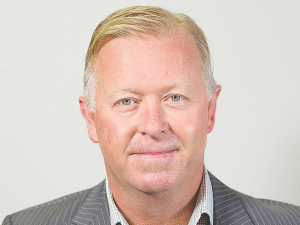
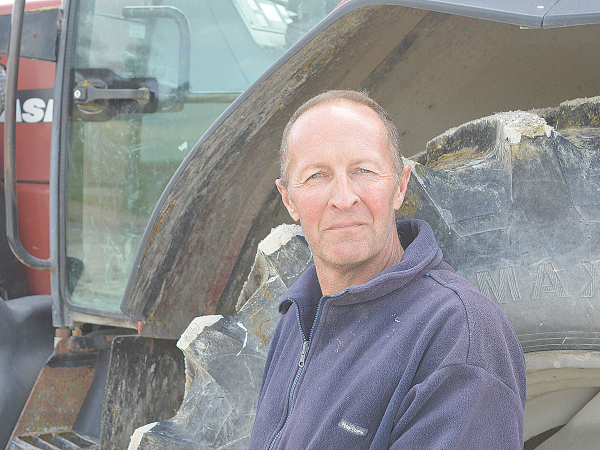 ACT MP Mark Cameron says the Green Party policy is out of touch with reality.
Retiring MP and dairy farmer Mark Cameron is blasting the Green Party for proposing to ban the use of synthetic fertiliser and cutting cow numbers.
Cameron describes the Greens' policy as "completely out of touch with reality".
"Synthetic fertiliser has lifted millions out of poverty around the world over the last 50 or 60 years of its use," he told Dairy News.
"It has increased food production several-fold giving the farmers the necessary tools they need to be productive.
"The Greens' policy is a utopia that simply does not exist. Many countries have natural resources. Our greatest one is our ability to convert green grass into animal protein."
The Greens released their 'Drink Swim Fish' policy ahead of the upcoming election.
The party wants to tackle pollution before it reaches waterways. It proposes to phase out synthetic nitrogen fertiliser and take action to reduce stocking rates on a catchment basis to improve the health of rivers and drinking water quality.
But Cameron, who is retiring on health grounds after serving two terms as an ACT MP, says the Greens' policy would be a disaster for New Zealand.
"It will destroy property rights and productivity and production, ultimately making us a poor nation."
Another ACT MP, Andrew Hoggard, who milks cows in Manawatu, says farmers don't use fertiliser for "giggles".
"It's bloody expensive, but also veery important for growing crops and food."
Hoggard says less fertiliser means less production.
"If you reduce the supply of food, then the price will go up so, I'm not sure that's a brilliant idea for improving the cost of living."
Hoggard says reducing ag exports out of the country will slash export receipts.
"Farmers up and down the country are doing great work on protecting waterways.
"The way forward isn't one-size-fits-all, neither is more blunt rules from Wellington.
"But each farmer understanding the key risks on their farm, having mitigations in place, working with their neighbours on catchment plans.
"That's how we move forward and unlock our nation's potential," he says.
Federated Farmers has welcomed new rural policies released by ACT, saying they align closely with its own election priorities.
OPINION: The farm policy on the table this election, what it could mean for land, and why the market you're in today still matters most
Beef + Lamb New Zealand says the National Party’s agriculture plan provides a strong basis for lifting productivity, supporting rural communities and recognising the sheep and beef sector’s environmental track record.
OPINION: Most farmers know which company collects their milk, processes their meat, supplies their fertiliser or lends them money. But how many know that many of those same companies are investing hundreds of millions in technologies designed to intervene in the natural digestive process of our animals? Did anyone ask farmers whether this is the future they want?
OPINION: Being the father of four, children’s books from our local library were regularly at our place.


Federated Farmers has welcomed new rural policies released by ACT, saying they align closely with its own election priorities.
Rural Contractors NZ says proposed changes to land transport rules for agricultural vehicles are a welcome response by the Government to out of date regulations which have seen members hit with huge fines.
Alliance is calling for final applications for its 2027 Graduate Programme, with applications closing on Sunday 25 October.
Decades piloting planes has ensured vet and farmer David Hayes is focused on safety. So, after a serious accident while welding on farm, he is sharing his experience so others can learn from it.
Canterbury milk processor, Synlait Milk has confirmed Leon Fung as its chief executive officer.
OPINION: Making it easier to collect rainwater and use it to grow crops and livestock is a no brainer.

OPINION: It seems Canterbury processor Synlait is still in the doldrums.
OPINION: Get offside with New Zealand First leader Winston Peters at your own peril.




