
Federated Farmers Welcomes ACT’s New Farming Policies
Federated Farmers has welcomed new rural policies released by ACT, saying they align closely with its own election priorities.




 increase font size
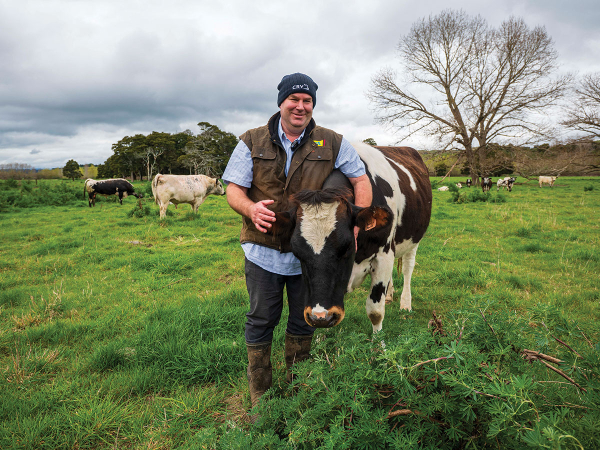 Andrew
OPINION: Farmers are being put on notice by the Green Party.
If they are voted back into power at the next general election, farmers can expect much tougher rules around nutrient management.
This includes the phasing out of synthetic fertiliser usage on farm and reduced stocking rates around catchments.
The strategy proposed by the Greens includes a drinking water regulator empowered to monitor, report on and enforce protections for water sources.
The strategy includes setting science-based national standards for freshwater, lowering the current nitrate limit for drinking water, and entirely phasing out synthetic nitrogen fertiliser.
Stocking rates would also be reduced on a catchment-by-catchment basis to improve water quality and river health.
But as ACT MP Andrew Hoggard points out, banning synthetic fertiliser would drive up the price of everyday food at the checkout and slash New Zealand’s export income.
When the Greens talk about getting rid of synthetic fertiliser, they seem to think farmers use the stuff for fun.
It’s bloody expensive, but it’s also essential for growing the food New Zealand families rely on, Hoggard points out.
Improving freshwater outcomes requires practical solutions, not blanket bans from Wellington. Farmers up and down the country are already doing great work protecting waterways.
The best approach is for each farmer to understand the risks on their own farm, put practical mitigations in place, and work alongside their neighbours on catchment plans.
That’s how we improve water quality while keeping farms productive.
As Hoggard says, it’s a lot smarter than banning the tools that help feed the world.
Federated Farmers has welcomed new rural policies released by ACT, saying they align closely with its own election priorities.

OPINION: The farm policy on the table this election, what it could mean for land, and why the market you're in today still matters most
Beef + Lamb New Zealand says the National Party’s agriculture plan provides a strong basis for lifting productivity, supporting rural communities and recognising the sheep and beef sector’s environmental track record.
OPINION: Most farmers know which company collects their milk, processes their meat, supplies their fertiliser or lends them money. But how many know that many of those same companies are investing hundreds of millions in technologies designed to intervene in the natural digestive process of our animals? Did anyone ask farmers whether this is the future they want?
OPINION: Being the father of four, children’s books from our local library were regularly at our place.



Federated Farmers has welcomed new rural policies released by ACT, saying they align closely with its own election priorities.

Rural Contractors NZ says proposed changes to land transport rules for agricultural vehicles are a welcome response by the Government to out of date regulations which have seen members hit with huge fines.
Alliance is calling for final applications for its 2027 Graduate Programme, with applications closing on Sunday 25 October.
Decades piloting planes has ensured vet and farmer David Hayes is focused on safety. So, after a serious accident while welding on farm, he is sharing his experience so others can learn from it.
Canterbury milk processor, Synlait Milk has confirmed Leon Fung as its chief executive officer.
OPINION: Making it easier to collect rainwater and use it to grow crops and livestock is a no brainer.




OPINION: It seems Canterbury processor Synlait is still in the doldrums.
OPINION: Get offside with New Zealand First leader Winston Peters at your own peril.




