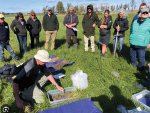
Catch the Rain: B+LNZ Trials Boost Soil Infiltration
Beef + Lamb NZ funded research has shown that some simple changes to pasture management could help farmers make better use of rainfall and build resilience before dry conditions hit.




 increase font size
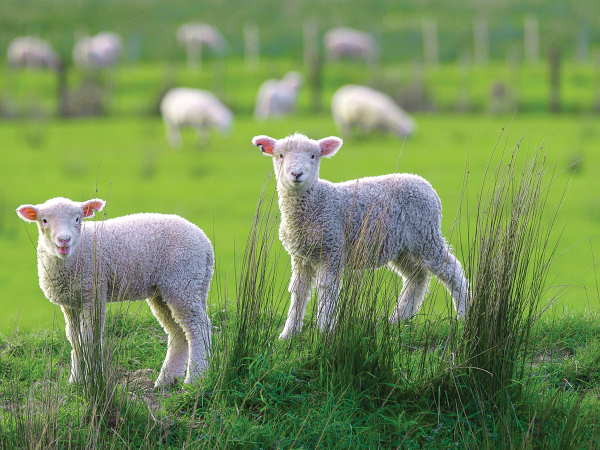 Lambs without a mum can show a huge improvement if separated from the big mob and run on their own on the highest quality feed you’ve got.
Lambs that have had a tough start to life are obvious at docking/tailing as scrawny little critters with a potty tummy and no fat on their backs - hence the term 'poddy'. Ginny Dodunski, Beef + Lamb NZ Wormwise programme manager, outlines the best way to deal with these lambs so they can perform to their full potential.
Whether they've lost their mum, or mum isn't milking because of udder problems or some other issue, these babies are doing their best to grow and develop on what nutrition they can scrounge from grass. Their little rumens are trying to develop as fast as they can, but while this is happening, the meagre flow of nutrients from the rumen to the gut is nowhere near what they need to grow properly.
Rumen development rate in young animals is strongly related to the energy level of the forage/feed they are grazing. A classic series of experiments with reared calves in the US showed a near straight-line relationship between time to full rumen development and access to meal. Thus, getting calves onto high meal intakes is a key piece of successful calf rearing, and lambs are no different. Even when they're with mum, their weaning weight is highly influenced by the amount of quality feed on offer between docking/tailing and weaning.
Lambs without a mum can show a huge improvement if separated from the big mob and run on their own on the highest quality feed you've got.
Farm systems scientist Tom Fraser tried this with a group of South Island hill country farmers - they separated the poddies at tailing and put them onto the best feed they could find. For some this was plantain/clover or other specialist forage, for others it was short rotation finishing pasture, or just a good clover-dominant perennial sward.
They weighed the poddy lambs at tailing and then again at weaning. The result was awesome - not only did these lambs grow faster than their mothered-up mates still weaning, but they had largely caught up with the other lambs. The poddies had very similar weaning weights to the main mob, and much better survival than they would have had if left in the big mob.
So why are we talking about this at Wormwise? It's common for these lambs to be scouring too. It's standard practice on many farms to give them a drench for worms at docking, but if these lambs are left to fend for themselves in the main mob, simply giving them a drench is probably not enough. A drench is not solving their two biggest challenges: the battle for good nutrition and mob pressure.
In addition, there are two other common causes of scouring in young lambs: The first is the tiny threadworm Strongyloides. This paraside has a different life cycle than the other worms, being picked up through skin contact with the ewes' udder, and very quickly expelled by lambs in their early weeks of life. Treatment is not necessary. Secondly, mismothered lambs are often affected by a gut parasite called Coccidia. Coccidiosis requires a different treatment than worms, speak to your veterinarian.
While poddy lambs undoubtedly have some worms on board, it is often less than we imagine. Until a lamb has a fully functioning rumen (which these little critters are still battling to develop), a number of the common worm species cannot complete their development in the gut.
In addition, lambs don't tend to suffer production losses from the worms they ingest in their early weeks, partly because their immune system does not start reacting to worms till later in life.
It's still a good idea to treat poddy lambs for worms, but the best thing we can do for them is to bring the trailer along at tailing time and give them a ride to a spot with some great feed and a few little mates. You might be surprised at what you see by weaning!
Article - Beef + Lamb NZ
Beef + Lamb NZ funded research has shown that some simple changes to pasture management could help farmers make better use of rainfall and build resilience before dry conditions hit.
Beef + Lamb New Zealand (B+LNZ) says it welcomes the passage of the Natural Environment Bill and Planning Bill, calling the bills a positive step for sheep and beef farmers.
If you're thinking about investing in ways to push feed forward, this is the year to do it.
B+LNZ's Wormwise veterinarian Mary Bowron has won the Best Sheep and Beef Vet of the Year Award in recognition of her outstanding contribution to New Zealand’s sheep and beef sector.
With lambing underway in many regions, Beef + Lamb New Zealand is encouraging farmers to put together a wellequipped lambing kit to help minimise lamb losses, particularly in bad weather.


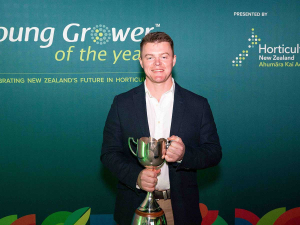
The potato industry is celebrating the success of two rising stars - James Blair, the 2026 Young Grower of the Year and runner-up and innovation award winner, Amber Davy.
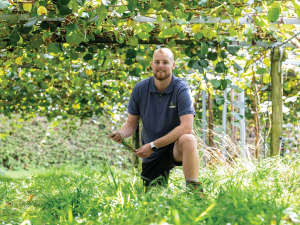
Twenty-eight emerging leaders from across the horticulture sector spent two days last month learning valuable skills and connecting with industry experts.
There are five entrants in this year’s Young Horticulturist of the Year, competing in a series of technical, practical, business and leadership challenges.
A seasoned horticulturist has been appointed to deliver the Apple Action Plan, a key initiative of the India-New Zealand Free Trade Agreement.
New Zealand's citrus growers have been told to compete on the value built into their fruit rather than the volume they grow.
Hawke's Bay fruit growers are being reminded of the need to prepare for whatever the El Niño weather system may bring in the coming months.


OPINION: The same mainstream media muppets that brought you Jacindamania in 2017 have been flat out pimping for the Opportunities…
OPINION: Your old mate reckons the atrocious way farmers in the UK are treated by their lords and masters in…