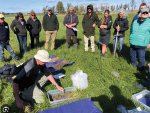
Catch the Rain: B+LNZ Trials Boost Soil Infiltration
Beef + Lamb NZ funded research has shown that some simple changes to pasture management could help farmers make better use of rainfall and build resilience before dry conditions hit.




 increase font size
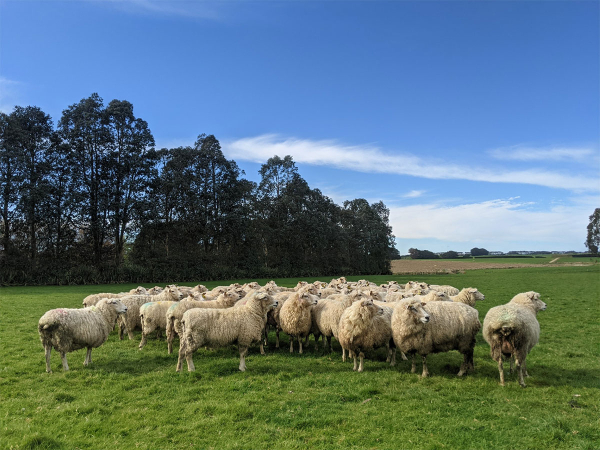 The Cool Sheep® Programme gives farmers the ability to identify and select low-methane rams for breeding.
A new joint investment of $1.2 million aims to accelerate farmer uptake of low-methane sheep genetics, one of the few emissions reduction tools available to New Zealand farmers.
The funding extends the Cool Sheep Programme for another year. The programme gives farmers the ability to identify and select low-methane rams for breeding, the same way they select traits such as growth, wool quality and fertility.
The funding backs further research to strengthen the accuracy of the breeding value for methane.
The programme will also explore whether low-methane sheep convert feed more efficiently – a development which, if correct, could entice more farmers to breed from low-methane rams.
The initiative is supported by a partnership between AgriZeroNZ, Beef + Lamb New Zealand, Ministry for Primary Industries, and the Ag Emissions Centre.
Research is being delivered by scientists at the Bioeconomy Science Institute.
Dr Suzanne Rowe, senior scientist at the Bioeconomy Science Institute and leader of the low-methane breeding research programme, says breeding for low methane has proven to be a highly effective mitigation tool.
"Since establishing flocks of high and low-methane-emitting sheep, we've measured an average difference of around 18% in methane emissions between the two groups," Rowe says.
The new research includes a feed efficiency trial with around 100 young female sheep and 200 growing males, with results expected later this year.
“This trial will give us clear evidence of how high and low-methane sheep differ in the way they use feed, which will help us understand whether selecting for low methane also boosts efficiency,” she says.
Over the next year, the Cool Sheep® Programme will also measure methane emissions and collect genetic information from 5,000 sheep to strengthen the accuracy of the breeding value.
AgriZeroNZ chief executive, Wayne McNee, says the public-private partnership supports the programme to help build the evidence and support wider uptake on-farm.
"The beauty of genetics is that it fits in with current farming practices and results are permanent, cumulative, and should stack with other tools for even greater emissions reductions over time.," McNee says.
“By combining our efforts, we can help ensure farmers have access to mitigation tools that not only suit their business, but strengthen its long-term resilience and performance too,” he adds.
Kate Acland, Beef + Lamb New Zealand Chair says the farmer-owned organisation is pleased to support the programme into its next phase.
“Farmers are rightly focused on productivity and profitability. This programme will help to establish if there is a genetic link between high feed conversion efficiency and low methane emissions," Acland says.
"By stepping up the research, and collecting more data from sheep across the country, we’re supporting farmers to breed with confidence.”
Naomi Parker, executive director of the Ag Emissions Centre, adds that the investment is a core part of the Centre's ongoing commitment to supporting the development of practical emissions reduction tools.
“This initiative combines research, investment, and partnership to help give farmers confidence that they can reduce emissions without compromising productivity.
“Continued testing, breeding and genetic analysis will strengthen the science behind the programme and support farmer uptake."
McNee says investments like this are critical to positioning New Zealand agriculture for the future.
“Most of our major export customers have set ambitious emissions reduction targets which cover their entire value chain, including the New Zealand farms which produce the meat they buy.
“Being able to show credible progress matters to maintain our market access and reputation as a world-leading producer.”
Beef + Lamb NZ funded research has shown that some simple changes to pasture management could help farmers make better use of rainfall and build resilience before dry conditions hit.

Beef + Lamb New Zealand (B+LNZ) says it welcomes the passage of the Natural Environment Bill and Planning Bill, calling the bills a positive step for sheep and beef farmers.
If you're thinking about investing in ways to push feed forward, this is the year to do it.
B+LNZ's Wormwise veterinarian Mary Bowron has won the Best Sheep and Beef Vet of the Year Award in recognition of her outstanding contribution to New Zealand’s sheep and beef sector.
With lambing underway in many regions, Beef + Lamb New Zealand is encouraging farmers to put together a wellequipped lambing kit to help minimise lamb losses, particularly in bad weather.


National’s pledge to introduce 19 new national standards shows the party is serious about getting Wellington out of farming, Federated Farmers says.
The National Party’s policies to make it easier to grow fresh vegetables, secure reliable water and energy and simplify farm planning are practical changes that will give growers the confidence to invest, according to Horticulture New Zealand (HortNZ).
Fonterra Co-operative Group chief financial officer Andrew Murray has resigned to take up a role outside the dairy giant.
A major move is about to get underway to improve the quality and viability of dairy beef and cattle in NZ.
Veterinarians say changes to the code of welfare for dairy cattle provides a positive foundation for improved cattle welfare across the country.
Today, 15 October, is the International Day of Rural Women, which recognises rural women’s contribution to farming, communities and the environment.


OPINION: The same mainstream media muppets that brought you Jacindamania in 2017 have been flat out pimping for the Opportunities…
OPINION: Your old mate reckons the atrocious way farmers in the UK are treated by their lords and masters in…




