Rabobank Launches HortPathways for Emerging Hort Leaders
Twenty-eight emerging leaders from across the horticulture sector spent two days last month learning valuable skills and connecting with industry experts.




 increase font size
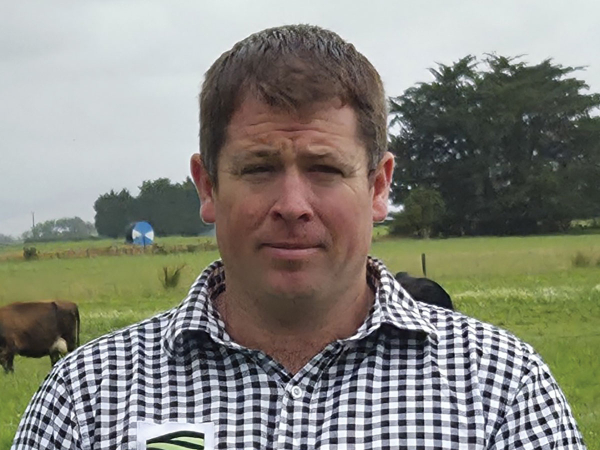 Federated Farmers employment spokesperson Karl Dean.
According to the latest Federated Farmers-Rabobank Farm Remuneration Report, released today, farm worker pay growth has levelled off after a post-Covid period of rapid growth.
The report shows the average salary for a farm worker increased by $1,367 to $72,778, a weighted average rise of 3% across 13 job positions.
Karl Dean, Federated Farmers employment spokesperson says that for some roles, the increases have been higher.
"For example, the average salary for a dairy farm assistant - the most common position on a dairy farm - rose to $63,359 this year, a rise of 5%," Dean says.
"Wages for an arable farm machinery operator jumped a massive 30% to $82,651."
The moderation in farm worker pay rises in the last two years is consistent with broader labour market trends, with wage growth across the economy typically 2-2.4% annually.
"Keep in mind, too, that average annual salaries in our sector jumped 13% between 2022 and 2024, with a weighted average rise of 17% for sheep and beef farm roles," Dean says.
Rabobank's general manager for country banking, Bruce Weir, says the report highlights slightly stronger growth in Total Package Values (TPV) for farm employees.
"The salary figures don’t include the range of other benefits provided to farm employees, which can include things like vehicle usage, meat, firewood, phone and power allowances," Weir says.
"For many farm employees, those extras can add up to several thousand dollars a year.
"Overall, the weighted average TPV across all farm employees lifted 5% to $77,030, nearly $4,252 more than the average salary."
Weir says that in spite of the relatively modest rise in salaries and TPV in the past two years, the sector's recent strong performance makes it an attractive option for young Kiwis.
"The agri sector has performed really strongly over the last 18 months and has been the shining light of the New Zealand economy," he says.
"The sector’s long-term outlook remains positive, and the strong investment we’re currently seeing should flow through to new job opportunities in the years ahead."
However, Weir says ongoing salary growth is also essential to ensure the sector continues to entice the next generation into agri careers.
"Remuneration matters to young people, and attracting strong talent will depend on on-farm salaries keeping up with - or surpassing - the wider employment market."
For dairy farm workers, the average weighted rise in TPV was 5%, up to $77,186.
"Pay rises for dairy farm staff were stronger in entry- and mid-level roles, and while the labour market remains competitive for experienced dairy workers, wage pressures have eased," Dean says.
The dairy sector is facing increasing margin pressure despite solid commodity prices.
While forecast milk prices remain relatively strong at $9.20-$9.80 per kilogram of milk solids, breakeven costs have risen to around $8.50kgMS.
That’s eating into margins for many operators and is reflected in farmers’ weakening profit expectations, which fell to a net negative position in early 2026, Dean says.
"These factors help explain why dairy farm pay increases have been more incremental compared to bigger lifts in the previous years," Dean says.
Sheep and beef farm remuneration rose more modestly:
Despite improved seasonal conditions, farmers remain cautious due to cost volatility; cyclical market conditions; and uncertain forward returns.
This is limiting more aggressive wage growth and hiring expansion.
The arable sector showed the most variation in pay movement:
Machinery operators saw big increases in both TPV and salary, but general farm hands and farm managers experienced declines.
Dean says the pay boost for machinery operators is largely attributable to the lift in technology in harvesting and other equipment coming onto farms, and the greater level of knowledge required to operate this equipment.
"These skills are becoming harder to find and come at a cost of remuneration," he says.
"The lift in pay also reflects the fact that the past two wet harvests have increased the number of hours worked by operators to get the harvest done and extra time spent getting crops established."
Dean says that while a relatively smaller sample size from this sector means results should be interpreted with some caution, the outcomes reflect economic and operational pressures.
"There is global oversupply in herbage seed, softer prices are putting a dampener on returns to farmers and wetter conditions over the past season have reduced yields.
"The decline in pay for general hand and manager positions is down to reduced profitability in the sector."
Twenty-eight emerging leaders from across the horticulture sector spent two days last month learning valuable skills and connecting with industry experts.
Central Otago District Council (CODC) has voted against a plan to spread treated sewage sludge from Cromwell and Alexandra on farmland near Lauder, a decision Federated Farmers says reflects strong opposition from rural residents.
Federated Farmers has called on Central Otago District Council (CODC) to drop or vote down a plan to truck sludge from Alexandra and Cromwell to farmland near Lauder, warning it would compound an "outrageous" situation created by a separate council's decision weeks earlier.
Federated Farmers says new legislation replacing the Resource Management Act will cut red tape, unlock investment and help grow New Zealand's export-led economy, after the Planning Bill and Natural Environment Bill passed their third reading in Parliament yesterday.
Leading figures from the major political parties will be questioned on their primary sector policies at the Rural Issues Debate at Mystery Creek Events Centre, Hamilton, on 30 September.


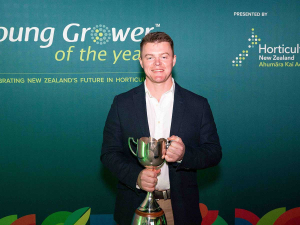
The potato industry is celebrating the success of two rising stars - James Blair, the 2026 Young Grower of the Year and runner-up and innovation award winner, Amber Davy.
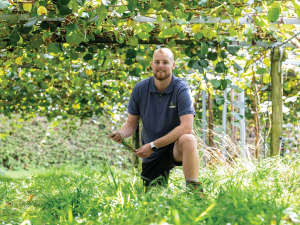
Twenty-eight emerging leaders from across the horticulture sector spent two days last month learning valuable skills and connecting with industry experts.
There are five entrants in this year’s Young Horticulturist of the Year, competing in a series of technical, practical, business and leadership challenges.
A seasoned horticulturist has been appointed to deliver the Apple Action Plan, a key initiative of the India-New Zealand Free Trade Agreement.
New Zealand's citrus growers have been told to compete on the value built into their fruit rather than the volume they grow.
Hawke's Bay fruit growers are being reminded of the need to prepare for whatever the El Niño weather system may bring in the coming months.





OPINION: The same mainstream media muppets that brought you Jacindamania in 2017 have been flat out pimping for the Opportunities…
OPINION: Your old mate reckons the atrocious way farmers in the UK are treated by their lords and masters in…