
Domestic Focus
OPINION: After hogging the media limelight for telling a NZ Chinese MP to "go back home", Winston Peters has decided to focus on a domestic issue - oil and gas drilling.




 increase font size
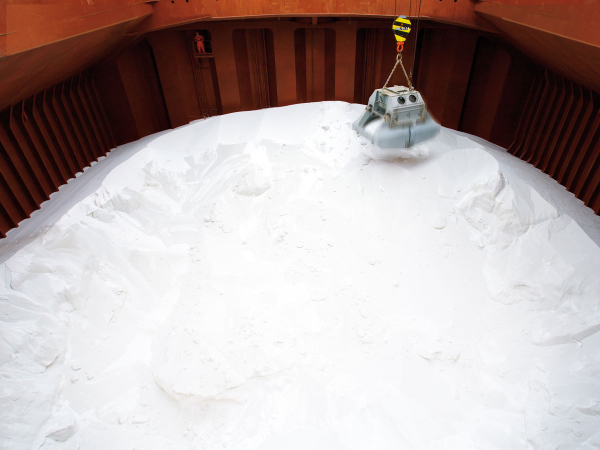 The fertiliser market is experiencing immediate shocks.
The Food and Agriculture Organization of the United Nations (FAO) has issued a stark warning about the global implications of the ongoing Gulf crisis.
The organisation's director-general, Qu Dongyu, emphasised the impact of the ongoing crisis in the Gulf region on agrifood systems during his remarks to the 180th Session of the FAO Council this week.
He is calling for a coordinated policy response and outlines the FAO's proactive measures to address the situation.
The Strait of Hormuz, at the centre of the crisis, has proven to be a critical strategic trade corridor.
Under normal conditions, it carries:
Following the crisis, tanker traffic through the region collapsed by over 90%, effectively closing it.
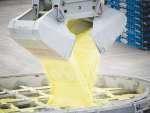
Qu says the fertiliser market has experienced immediate shocks, with prices for Middle Eastern granular urea rising close to 20% within a week.
By mid-April, urea prices increased by:
An estimated 1.5 to 3 million tons of fertiliser trade per month have been delayed, something the FAO says jeopardises agricultural productivity.
Qu highlights four primary channels through which the conflict impacts agrifood systems:
Qu says the crop calendar is central to understanding the urgency of the fertiliser crisis.
"Fertiliser applications must align precisely with planting windows that cannot be rescheduled without permanent yield losses," he says.
Countries heavily reliant on imports, including Bangladesh, where 53% of fertilisers come from the Gulf, face an extreme risk profile.
Iran, with a dependency on wheat and maize imports, is under severe strain.
FAO's analysis reveals that overlapping shocks from the crisis could escalate food price inflation and deepen hunger.
In Lebanon, approximately 874,000 people face acute food insecurity, while over 17 million people in Yemen experience high levels of food insecurity.
"A coordinated policy response is urgently needed," Qu says.
He says that over the next 90 days, immediate measures will include:
In the medium term, the FAO says focus should be on diversifying import sources and supporting vulnerable countries through emergency food aid, while long-term strategies must prioritize sustainable agriculture and renewable energy investments.
In response to the crisis, the FAO has already activated several lines of action:
“We have the technical expertise; what we need now are the resources to act – in line with our mandate – before this closure has a catastrophic impact on our agrifood systems and on food security globally,” he says, adding that “history judges organizations not by the crises they predicted, but by the suffering they prevented.”
OPINION: After hogging the media limelight for telling a NZ Chinese MP to "go back home", Winston Peters has decided to focus on a domestic issue - oil and gas drilling.
QU Dongyu, director-general of the Food and Agriculture Organization of the United Nations (FAO), has issued a warning saying that global fertiliser scarcity caused by disruptions in the Strait of Hormuz will lead to lower yields and tightening food supplies into 2027.
OPINION: Since the escalation of tensions involving Iran and the closure of the Strait of Hormuz, farmers have seen diesel prices pushing closer to $4 per litre.
It’s World Milk Day today (June 1), a time to celebrate the vital role that milk, and dairy products play in our lives and acknowledge the tremendous contributions of the New Zealand dairy sector.
The director-general of the Food and Agriculture Organization of the United Nations (FAO) says the UN has a role to play in leveraging the power of digital technologies.


Dairy processors are ready to further boost New Zealand’s export earnings but want the incoming government to match their ambition with good policy.
Massey University is best placed to solve the “problems” facing the dairy industry, says vice chancellor, Pierre Venter.
Synlait's longest serving employee – a man who joined the Canterbury-based milk processor even before it began processing milk – is now its newest executive.
A dairy industry leader believes eradicating the common and costly disease, Bovine Viral Diarrhoea (BVD) is within reach.
A farmgate milk price of $10/kgMS this season is firming up as milk powder prices soar and the New Zealand dollar weakens.
Federated Farmers has welcomed new rural policies released by ACT, saying they align closely with its own election priorities.



OPINION: The same mainstream media muppets that brought you Jacindamania in 2017 have been flat out pimping for the Opportunities…
OPINION: Your old mate reckons the atrocious way farmers in the UK are treated by their lords and masters in…




