Dairy farmers bracing for unannounced visits by Waikato Regional Council staff are reminded by a Feds spokesman to enforce health and safety rules onfarm.
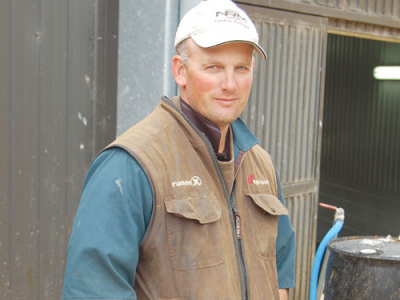
Federated Farmers Waikato dairy chairman Chris Lewis says farms are nowadays considered dangerous workplaces under the Ministry of Business and Employment health and safety rules.
He says WRC staff or any other person cannot just “barge onto the farm”.
Visitors have to report to the farm office, where the farm hazards will be pointed out to them before they walk around.
“WRC staff can turn up unannounced but they have to report to the office where farmers should explain the hazards on farm before allowing them to inspect effluent facilities,” Lewis told Dairy News.
Council staff are beginning a limited series of unannounced visits to Waikato dairy farms to check rates of compliance with effluent management rules.
The rules are designed to protect the health of waterways in particular from contaminants in effluent.
“100 unannounced visits will be carried out any time from now so we can compare compliance rates for announced and unannounced visits,” says farming services manager Nicole Botherway.
The background to these latest visiting tactics is the council’s former use of a helicopter plus unannounced visits.
Within the last few years the council switched to announced visits in a new approach intended to get council staff working one-on-one with farmers to make any necessary improvements to effluent management systems and ensure compliance.
Farmers responded positively to that but some were critical, saying announced visits gave farmers opportunity to cover up bad practices.
Following that criticism, staff gained council approval late last year to do 100 unannounced visits around the region over several months to compare compliance rates of farms receiving announced inspections and those getting unannounced visits.
“We’ll now be getting on with those unannounced checks and hope to be in a position to report back to the council by the end of the calendar year on what we find,” says Botherway.
Lewis says farmers in Waikato have done an outstanding job in getting top on top of effluent management.
“It’s a much different scene on dairy farms now than 10 years ago when it comes to effluent management.”
Farmers have invested heavily in new effluent systems; Lewis has spent $300,000 on his.
“It’s still a work in progress and we are on the way to making it a perfect system.”
He says on any farm where the WRC finds defects it should speak one-on-one with the farmer to sort it out.
“I believe if there are any defects found it will be mostly related to incomplete paperwork.”
Botherway says the council appreciates the work many farmers have done, in consultation with council staff, to lift their management of effluent and protect the environment.
“This sort of cooperation can make a significant difference to our waterways; farmers who’ve invested in boosting their environmental performance deserve much credit.”