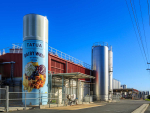
Ah Tatua, You've Done It Again!
Waikato milk processor Tatua has again declared a record milk payout to farmer shareholders, leaving other processors in the dust.




 increase font size
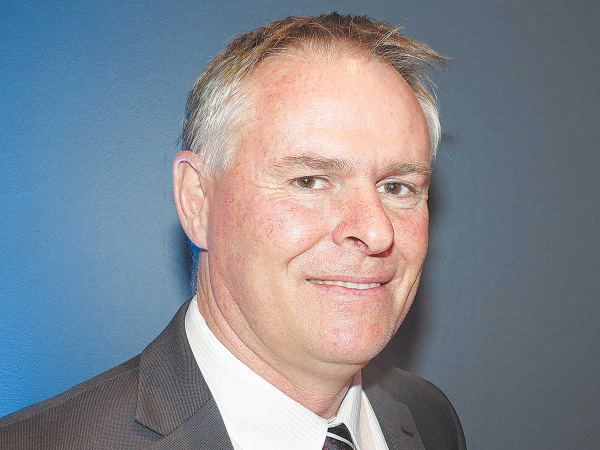 Fonterra chair Peter McBride.
Fonterra directors and councillors are in for a pay rise next month.
If approved by Fonterra shareholders at their annual general meeting in Christchurch on December 11, co-op chair Peter McBride's fees will top $500,000.
Fees for Fonterra directors and councillors are set by the directors' remuneration committee (DRC), made up of six elected shareholders. The committee met in July and is recommending a rise in fees paid to directors and councillors.
It is proposing a 3% rise in the chair's fee, an increase to $513,000, up $15,000. Directors' fees would also increase 3% to $208,000, up $6,000.
A board committee chair, unless that person is the board or audit, finance and risk committee chair, would get an extra $40,000, up 4% or $1,500. The audit, finance and risk committee chair's fee increases by $2,000 to $55,000.
For Fonterra Cooperative Council members, the committee proposes the chair's annual allowance rise 3% or $4,000 to $132,000. Each of the 24 remaining councillors would be paid $42,500, an increase of 3.65% or $1,500.
The DRC says it considered whether current remuneration levels were appropriate to ensure highly-skilled directors were attracted and retained on the board, noting the substantial director workload.
"The DRC confirmed that small incremental annual increases in fees continued to be its preferred approach, rather than having periods of no increase followed by large uplifts," according to Fonterra's annual meeting notice.
"The DRC determined that the appropriate level of an increase to recommend was approximately 3%."
Members of the DRC are also getting a pay rise, determined by Fonterra's board.
The board is recommending that the DRC chair's fee increases by $100 to $3,100 per annum. Members are to get an extra $50 or $1,850 annually.
Council Budget
The Fonterra Cooperative Council is seeking approval for an annual budget of $3.5 million.
The proposed budget, which will be voted at the co-op's annual meeting next month, seeks $2.7 million for operating costs for financial year 2026 and $788,000 for other costs contributed to or met by the council.
Last year Fonterra shareholders approved a budget of $3.37m; actual costs incurred were $3.135 million - 93% of budget.
Director Elections
A series of meetings get underway this week, giving Fonterra shareholders the chance to meet the director candidates.
The fivein-person meetings and two online meetings will also allow the three candidates to answer shareholder questions.
Chaired by the Fonterra Cooperative Council, these meetings provide a setting in which candidates meet with and answer questions from Fonterra shareholders with a focus on explaining how their governance skills and attributes meet the requirements of the co-op, Fonterra says.
Three candidates are vying for two board seats: Sitting director Alison Watters and corporate farmers Michelle Pye and Mike Fleming.
Michelle Pye and her husband Leighton own Pye Group, a large-scale agricultural business based in Canterbury, for over 23 years. They farm over 7,000 hectares with dairy, cropping, process vegetable, grazing, transport and contracting operations. Pye Group's dairy business consists of 10 farms producing 4.5 million milk solids with a further three farms to be added to the group next season.
Mike Fleming chairs Fortuna Group Ltd and is a director of Canterbury Grasslands Ltd - both large scale dairy businesses and is also a director of Better Eggs Ltd.
Alison Watters and her family own a fifth-generation dairy farm in Wairarapa, milking 510 cows. She and her husband, Andrew, were named NZ Sharemilker of the Year 2023.
In addition to her role as a Fonterra director, she's chair of Comhla Vet Limited, and of Totally Vets Limited.
Waikato milk processor Tatua has again declared a record milk payout to farmer shareholders, leaving other processors in the dust.
Fonterra has unveiled its annual results for the 2026 financial year, posting $27 billion in revenue and close to $20 billion returned to New Zealand farmer owners and unit holders.
Fonterra Co-operative Group has confirmed the independently assessed candidates standing for election to its board in 2026.
Fonterra has revised its Farmgate Milk Price forecast for the 2026/27 season, lifting the midpoint and narrowing the range on the back of improving global dairy commodity prices.
Outgoing Fonterra Co-operative Council chair John Stevenson says that it has been a privilege to represent the co-op's farmer shareholders.


Hawke's Bay fruit growers are being reminded of the need to prepare for whatever the El Niño weather system may bring in the coming months.
Three and a half years on from when Cyclone Gabrielle hit Hawke's Bay, some orchardists in the region are still receiving counselling to help them deal with the trauma they suffered.
South of the central Hawke’s Bay town of Waipukurau is Taniwha Station – a highly successful 550ha bull beef farming operation.
Beef + Lamb NZ funded research has shown that some simple changes to pasture management could help farmers make better use of rainfall and build resilience before dry conditions hit.
OPINION: There could hardly be a more appropriate theme for a conference than the one chosen by the red meat sector - Navigating Volatility.
When Northland leather worker Vernon Suckling started making horse saddles 50 years ago, quad bikes and side-by-side vehicles were unheard of.




OPINION: It seems Canterbury processor Synlait is still in the doldrums.
OPINION: Get offside with New Zealand First leader Winston Peters at your own peril.




