Rural Mobile Coverage Worse After 3G Shutdown, Survey Finds
Mobile phone coverage and reliability are deteriorating in rural areas, and farming families are bearing the cost, according to a Federated Farmers survey.




 increase font size
OPINION: The Government needs to act now to address consenting issues faced by farmers throughout the country.
Some regional councils are charging exorbitant amounts to process consents. On top of that farmers are forking out thousands of dollars on consultants. Also, some consents, applied five years ago are still being processed.
A recent survey by Federated Farmers shows a consenting process in disarray - farmers facing long delays, excessive costs and unreasonable requests for information.
It's fair to say the results of that survey make sobering reading and highlight the true scale and seriousness of the problem. 38% of respondents applied for a resource consent in the past year, indicating frequent engagement, while 31% applied over five years ago, suggesting varied consent durations.
The average spend on regional councils for consents was $17,400 with Auckland ($24,300) and Canterbury ($25,000) being the most expensive regions.
District council costs averaged $9,000 with Canterbury districts ($15,800) the most expensive.
Those numbers paint a damning picture of a system that simply isn't working. Farmers are losing faith in a process that seems to prioritise paperwork over environmental outcomes.
Farmers welcome the Government's intention to reform the Resource Management Act - but that won't happen overnight. Farmers need solutions now.
With thousands of resource consents due to expire over the coming months, the Government needs to act quickly and decisively to give farmers certainty.
Farmers believe a practical solution would be to roll over all existing resource consents to help bridge the gap between the current rules and their soon-to-be-revealed replacement.
This makes sense and let's hope the Government thinks the same.
Mobile phone coverage and reliability are deteriorating in rural areas, and farming families are bearing the cost, according to a Federated Farmers survey.
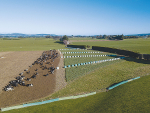
Central Otago District Council (CODC) has voted against a plan to spread treated sewage sludge from Cromwell and Alexandra on farmland near Lauder, a decision Federated Farmers says reflects strong opposition from rural residents.
Federated Farmers has called on Central Otago District Council (CODC) to drop or vote down a plan to truck sludge from Alexandra and Cromwell to farmland near Lauder, warning it would compound an "outrageous" situation created by a separate council's decision weeks earlier.
Federated Farmers says new legislation replacing the Resource Management Act will cut red tape, unlock investment and help grow New Zealand's export-led economy, after the Planning Bill and Natural Environment Bill passed their third reading in Parliament yesterday.
Leading figures from the major political parties will be questioned on their primary sector policies at the Rural Issues Debate at Mystery Creek Events Centre, Hamilton, on 30 September.


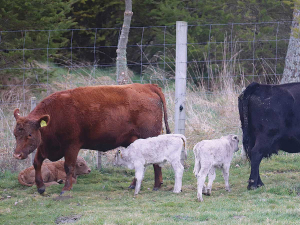
A major move is about to get underway to improve the quality and viability of dairy beef and cattle in NZ.
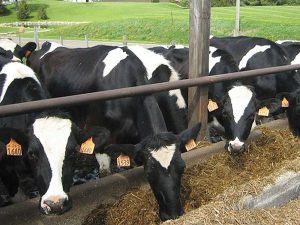
Veterinarians say changes to the code of welfare for dairy cattle provides a positive foundation for improved cattle welfare across the country.
Today, 15 October, is the International Day of Rural Women, which recognises rural women’s contribution to farming, communities and the environment.
Global dairy giant Lactalis has integrated its Australian operations with the Mainland Dairy consumer business it acquired from Fonterra earlier this year.
After almost two decades of sharemilking, saving and building equity, Aaron and Marcia Flay this year realised their long-held dream of settling on their first dairy farm.
Good medium to long term prospects for NZ beef, especially in the US, has heighted the focus on various initiatives to capitalise on this situation.


OPINION: It seems Canterbury processor Synlait is still in the doldrums.
OPINION: Get offside with New Zealand First leader Winston Peters at your own peril.




