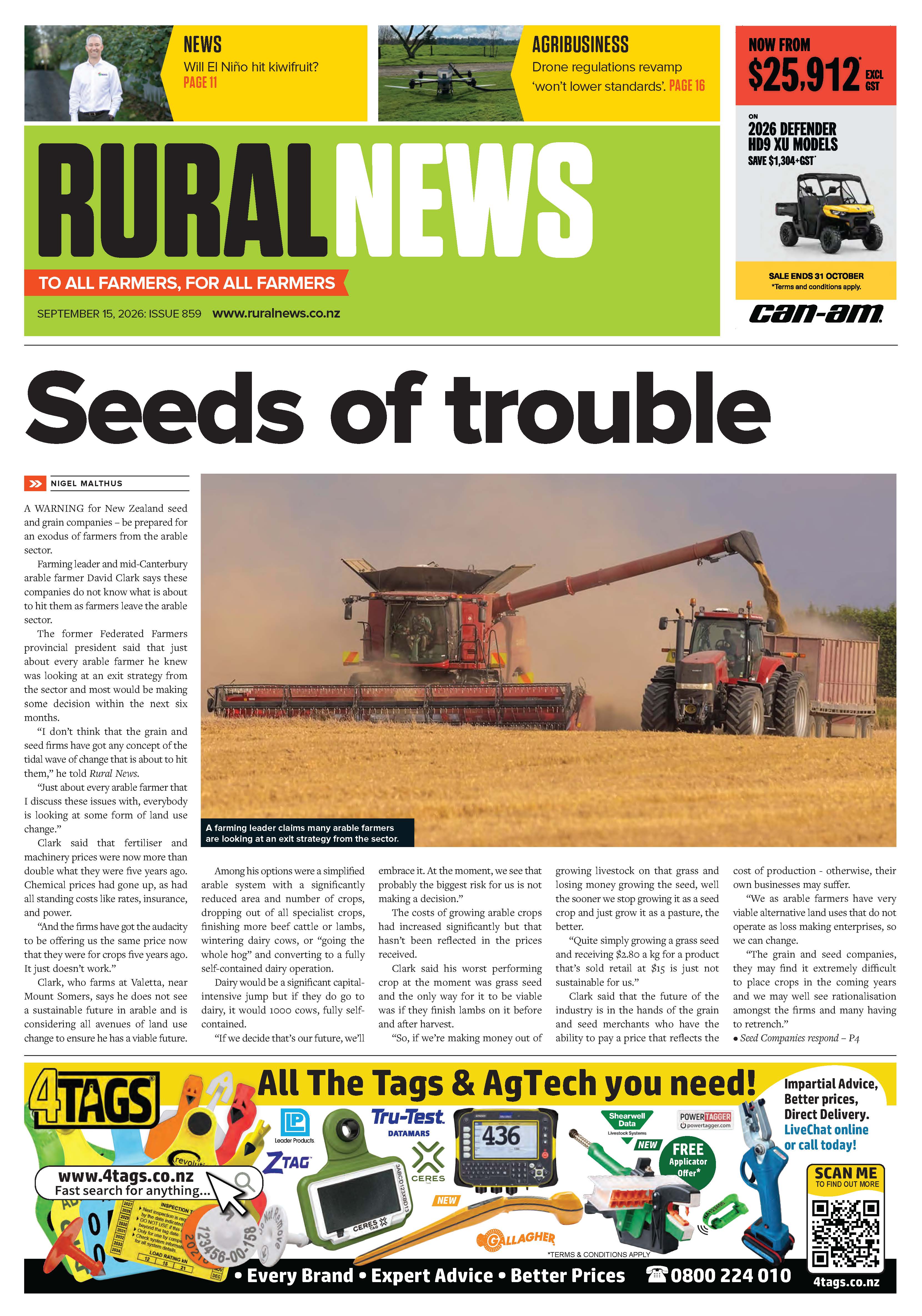
A farming leader claims that government regulations are suffocating innovation on farm.
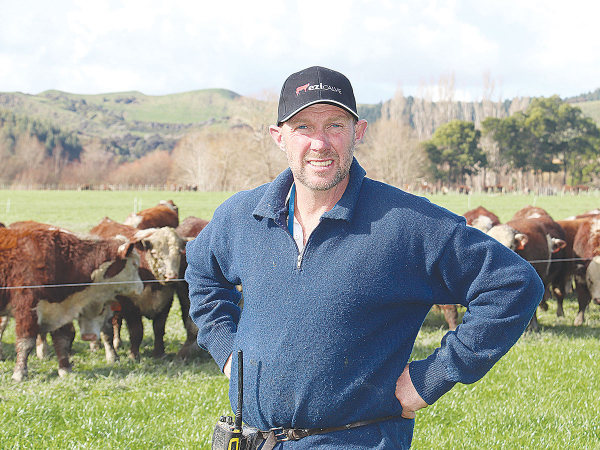
Whanganui Federated Farmers president Mike Cranstone says so much of regulations that are in place or coming are disruptive to farmers. He says the Government should be trying to harness the innovation of farmers rather than stifling this with a host of regulations.
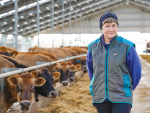
Cranstone and his wife Cath breed Ezicalve yearling bulls primarily for the dairy industry but also for the meat industry. He says the aim of breeding such animals is to add value to the dairy industry. His family have farmed out at Fordell since 1905 and over the years the various generations have built the farm up to its present state of 1,450 hectares.
He says one of the problems is that the dairy industry produces about a million bobby calves a year and there has been some outcry on the slaughter of these animals which are essentially a by-product of the dairy industry;.
"The problem is there isn't the capacity on NZ farmers to cope with this number of animals now or in the future. So we need to look for other options," he says.
One of those options says Cranstone is exporting live animals. But any hope of doing that seems like to fall on deaf ears, with live exports by sea set to be completely banned by next April. This ban has attracted much controversy with some people in the farming sector saying it will cost NZ upwards of half a billion dollars in export earnings and others saying the ban shsould have been in place years ago.
Cranstone is one of those people who has exported live animals in the past and sees no reason that it shouldn't continue.
"The live export people have gold plated systems and so there is an opportunity to not only offer livestock overseas for breeding but also for meat. We see Wagyu animals being air freighted to Japan for the meat trade and I think we under appreciate what value there is in some overseas markets for other live animals," he says.
Cranstone says he's worried that a lot of blanket regulation coming out of government will deny the country the opportunity to solve soe of the social issues around farming especially in relation to bobby calves.