One of New Zealand’s longest-running pasture growth monitoring projects will continue, even as its long-time champion steps away after more than five decades of involvement.
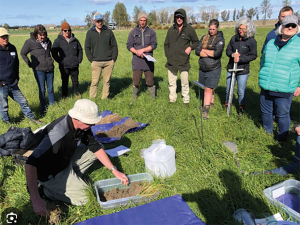
For more than 50 years, pasture growth rates at Woodlands Farm in Southland have been carefully tracked, delivering invaluable insights for farmers and researchers.
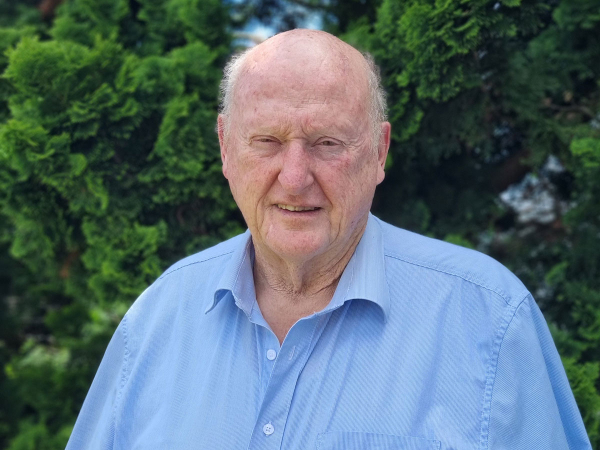
At the heart of this work has been Southland scientist Chris Smith, who recently retired from the Bioeconomy Science Institute after a career spanning five decades.
Smith was involved from day one, starting as a field technician with the Ministry of Agriculture and Fisheries when he relocated to Southland, a place he has called home ever since.
Originally part of a nationwide series of monitoring trials, most were discontinued in the 1980s due to funding cuts. But Smith fought hard to keep the Southland trial alive.
His persistence has created a dataset that not only tracks pasture growth, but also records climate conditions, providing farmers and researchers with invaluable information.
“The data is critical for understanding climate impacts and helping farmers make informed decisions,” says Smith.
Despite climate change models predicting increased pasture growth under higher carbon dioxide and warming, the long-term data tells a different story.
“The models suggest growth should increase over time, yet the data to-date shows it’s been relatively unchanged,” says Smith.
Ensuring this research continues has been a priority for Smith, and senior research associate Anna Taylor, based in Canterbury, has now taken over the reins.
“It’s peace of mind knowing it’s in safe hands and will continue,” he says.
Taylor says she is committed to honouring the work Smith started.
“It’s been a real honour to work alongside Chris and to now take on responsibility for this legacy project,” she says.
“He has been an exceptional mentor to me and to so many others, and I feel incredibly fortunate to have learned so much from him. We worked closely to capture as many of his insights as possible, ensuring that his knowledge and experience continue to guide this work into the future.”
Smith’s contribution to agricultural science extends far beyond leading the country’s second-longest pasture measurement project. Over the decades, he has worked on everything from grass grub mitigation to nutrient management and environmental impacts. His work has shaped farming practices and informed industry decisions across New Zealand.
Reflecting on his career, Smith says it’s been interesting seeing how research priorities have shifted.
“The first 20 years of my career were largely focused on research that helped increase productivity, and the last 30 years have been researching the effects of that on the environment. Now, it’s about maintaining productivity within environmental limits.”
Although retiring from the Bioeconomy Science Institute, Smith isn’t leaving science entirely. He will continue as associate editor of the Journal of New Zealand Grasslands.
His key advice to the next generation of scientists?
“Be adaptable. Research directions change every seven to eight years; you have to be prepared to accept those changes and go with them.”