A New Zealand-first native tree study has highlighted the Bioeconomy Science Institute's position as a forestry research leader.
Its work to improve propagation and increase the production of indigenous species in nurseries was the focus of a journal article published in 2025. This work investigated the impact of container grade size on the survival and field performance of 12 key native species - to better understand the link between containers and post-planting seedling survival and growth performance.
The study saw the Bioeconomy Science Institute team raise seedlings from the selected species in different container sizes and test how they performed in good-, average- or poor-quality sites. It was a collaborative effort with Te Uru Rākau - New Zealand Forest Service, Minginui Nursery, CNI Iwi Land Management, the Tumunui Land Trust, Timberlands, Rotorua Lakes Council and the Tipu Waiariki Charitable Trust (Tipu Wai), which provided the sites and helped with preparation and planting.
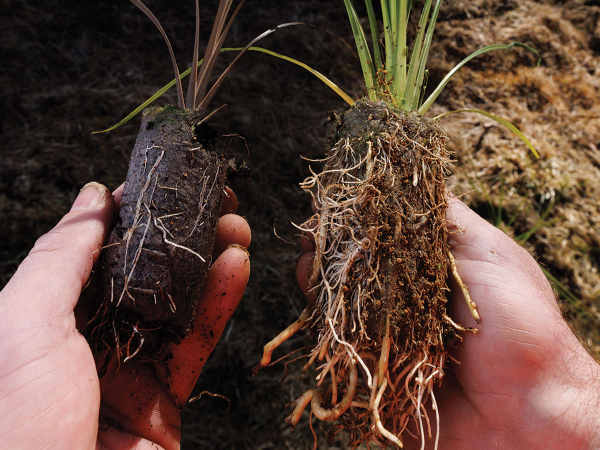
Industry-standard pots used for natives were compared with bigger containers such as 7cm and 8cm paper Ellepots and smaller forestry-grade pots. The effect of differences in the type of container were monitored to determine the impact on survival rates and tree growth across sites.
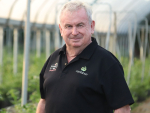
Programme lead David Siqueira says results showed variable patterns depending on tree species, container size and the quality of the respective planting sites. “Some species, such as manuka (Leptospermum scoparium), survived and grew well (>75%), even when raised in small containers, while others such as kowhai (Sophora microphylla) had low survival rates (< 5%), even when raised in revegetation container grade sizes.”
Other species such as cabbage tree (Cordyline australis) and totara (Podocarpus totara) appeared to depend more on site quality.
“The results show the importance of aligning the choice of container grade size to the needs of individual species and planting purpose,” Siqueira says.
“Nursery container systems for raising New Zealand native plants should be chosen based on the biology of the species, nursery management practices, quality of the planting site and a balance between cost and benefit for each situation.”
Nurseries have traditionally used large containers to successfully establish native species, but this means the trees take longer to grow – making this approach costly and labour-intensive at the planting stage. It also limits the rate of establishment.
“The conventional approach of sowing native seed, setting out and then growing in containers takes 12-36 months, adding significantly to native tree establishment costs over typical New Zealand-grown exotic forest trees,” Siqueira says.
“By enhancing our understanding of how container size affects native tree growth when planted in sites of varying qualities, we hope this research will result in more fit-for-purpose natives being raised in nurseries to generate our thriving future forests – conserving New Zealand’s biodiversity and contributing to the mitigation of climate change.”