New Research Shows Good Farming Practices Reducing Nutrient Losses on Dairy Farms
Analysis of decades of research has revealed the good farming pracrtice plays a critical role in reducing nutrient losses to improve freshwater outcomes.




 increase font size
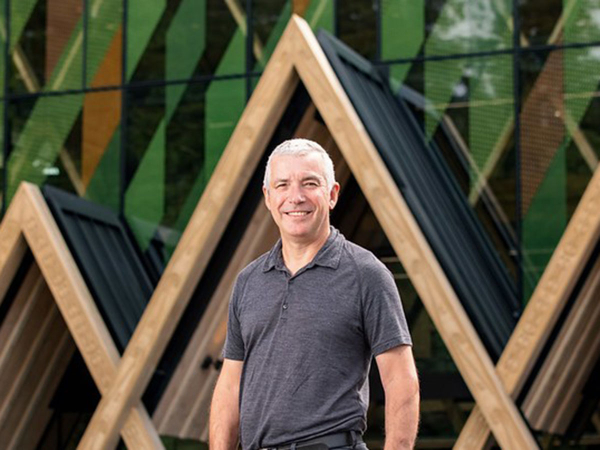 Paul Bennett, the Bioeconomy Science Institute Maiangi Taio’s integrated bioenergy portfolio lead.
Could New Zealand use its unproductive land to help solve possible fuel insecurity in New Zealand? Scientists say yes.
Paul Bennett, the Bioeconomy Science Institute Maiangi Taio’s integrated bioenergy portfolio lead, says New Zealand has up to three million hectares of unproductive land, including a million hectares of growing scrub.
He says that land could be converted to short-rotation forestry, providing a larger long-term supply and support demand for coal, gas and marine fuel replacements.
“Early bioenergy deployment would generate a market for further biomass production,” Bennett told Dairy News.
“Woody biomass growth can therefore be achieved without displacing food or timber or pulp production,” he adds. “This can be part of the solution for NZ’s energy security.”
According to Bennett, New Zealand could access approximately seven million green tonnes of low-grade wood for bioenergy production, including the sustainable and accessible biomass from forest harvesting operations, and low-grade industrial logs currently exported.
“This is plenty of biomass to replace the coal burnt in New Zealand and to start on the journey of aviation and marine fuels from wood,” he says.
Bioenergy improves energy security by producing fuel locally, meaning New Zealand would be less reliant on global suppliers, Bennett says.
He says there are four main reasons why the Bioeconomy Institute has been investigating bioenergy options within New Zealan – climate change; energy security and resilience; market access; and local economic development.
Currently, Bennett says the Bioeconomy Science Institute is looking at practical steps the country can take to reduce its energy insecurity.
“We are scaling up locally produced bioenergy and biofuels using existing woody biomass resources and have been working with a range of stakeholders across a range of energy sectors such as aviation, marine, processing and power generation.
“The current global fuel crisis has highlighted why New Zealand needs these locally produced sustainable fuel options as part of the solution to its energy insecurity.”
Analysis of decades of research has revealed the good farming pracrtice plays a critical role in reducing nutrient losses to improve freshwater outcomes.
Bark and ambrosia beetles could play an unexpected role in New Zealand's ecosystem, acting as tiny taxis for fungi.
Scientists from the Bioeconomy Science Institute Maiangi Taiao has achieved a successful cocksfoot-ryegrass cross capable of producing fertile seed, a world-first.
One of New Zealand’s longest-running pasture growth monitoring projects will continue, even as its long-time champion steps away after more than five decades of involvement.
A New Zealand-first native tree study has highlighted the Bioeconomy Science Institute's position as a forestry research leader.


South of the central Hawke’s Bay town of Waipukurau is Taniwha Station – a highly successful 550ha bull beef farming operation.
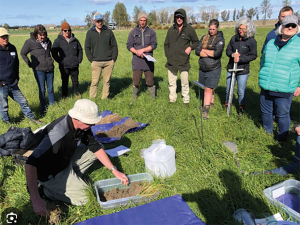
Beef + Lamb NZ funded research has shown that some simple changes to pasture management could help farmers make better use of rainfall and build resilience before dry conditions hit.
OPINION: There could hardly be a more appropriate theme for a conference than the one chosen by the red meat sector - Navigating Volatility.
When Northland leather worker Vernon Suckling started making horse saddles 50 years ago, quad bikes and side-by-side vehicles were unheard of.
Alliance Group has confirmed that eligible farmer-shareholders who supply and continue to back the business will receive up to $20 million later this year, following the strategic investment partnership with Dawn Meats.
With a general election under five weeks away, Rural News is asking major political parties about their policies and positions on key issues facing the primary sector. We will run their responses to each question over the next four weeks. The ACT Party and the Greens didn't respond in time.
OPINION: It seems Canterbury processor Synlait is still in the doldrums.
OPINION: Get offside with New Zealand First leader Winston Peters at your own peril.




