Milk Powder Prices Prop Up Farmgate Milk Price
Milk powder prices are keeping farmgate prices up, helping processors offset the dip in milk fat prices.




 increase font size
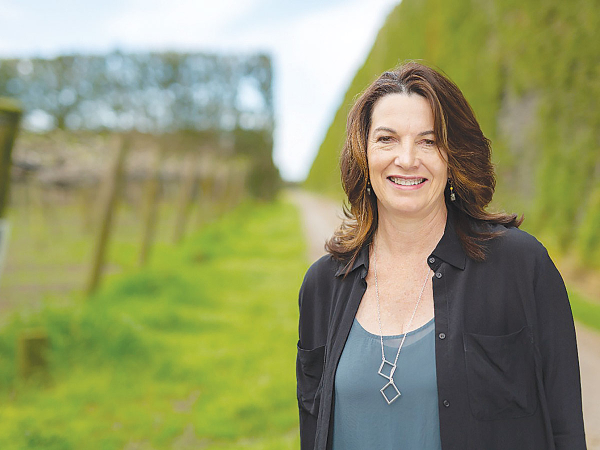 Lorraine Mapu, ANZ NZ's managing director of business and agri.
The cost of running a New Zealand farm is now 27% higher than it was before Covid, putting sustained pressure on profitability acrfoss the sector, according to new ANZ research.
The finding comes from ANZ's latest Agri Insights report, which analysed the financial performance of more than 4000 dairy, red meat, kiwifruit, arable and pipfruit customers, comparing the 2020-24 period with the previous five years.
It found that while general inflation had stabilised in recent times, cost increases within the farming system have become structural, meaning farms now need to lift productivity just to stand still.
Lorraine Mapu, ANZ NZ's managing director of business and agri, said events playing out in the Middle East are a reminder that global uncertainty - from geopolitical tensions to fuel supply and input volatility - add another layer of complexity for farmers.
"While we're not currently receiving customer requests seeking specific support for issues linked to the conflict, we're staying close to our customers and remain focused on supporting them through any emerging challenges," Mapu says.
"What this research shows, though, is that the businesses best placed to navigate that uncertainty are the ones with strong fundamentals, good visibility over their costs, and the ability to keep investing in productivity through the cycle.
"Farming is now a higher-cost business than it was five years ago, and that's not something that unwinds when inflation cools.
"The standout performers aren't necessarily expanding or taking bigger risks - they're the ones who know their systems well, time their spending carefully, and keep finding small productivity gains year after year."
The report shows the gap between average farms and the top performers continues to widen, pointing to significant untapped productivity potential across the sector.
Milk powder prices are keeping farmgate prices up, helping processors offset the dip in milk fat prices.

Case IH has unveiled its redesigned next generation Puma Series tractors, said to offer improvements in connectivity, operator comfort, fuel efficiency and drivability.
Cameron Reed lives between two worlds.
A milk glut around the world shows no sign of easing, putting downward pressure on farmgate milk prices for the next few months.
The new dairy season is kicking off with plenty of risks to the forecast farmgate price, both upside and downside, says ANZ agricultural economist Matt Dilly.



National’s pledge to introduce 19 new national standards shows the party is serious about getting Wellington out of farming, Federated Farmers says.
The National Party’s policies to make it easier to grow fresh vegetables, secure reliable water and energy and simplify farm planning are practical changes that will give growers the confidence to invest, according to Horticulture New Zealand (HortNZ).
Fonterra Co-operative Group chief financial officer Andrew Murray has resigned to take up a role outside the dairy giant.
A major move is about to get underway to improve the quality and viability of dairy beef and cattle in NZ.
Veterinarians say changes to the code of welfare for dairy cattle provides a positive foundation for improved cattle welfare across the country.
Today, 15 October, is the International Day of Rural Women, which recognises rural women’s contribution to farming, communities and the environment.



OPINION: The same mainstream media muppets that brought you Jacindamania in 2017 have been flat out pimping for the Opportunities…
OPINION: Your old mate reckons the atrocious way farmers in the UK are treated by their lords and masters in…




