Rural Mobile Coverage Worse After 3G Shutdown, Survey Finds
Mobile phone coverage and reliability are deteriorating in rural areas, and farming families are bearing the cost, according to a Federated Farmers survey.




 increase font size
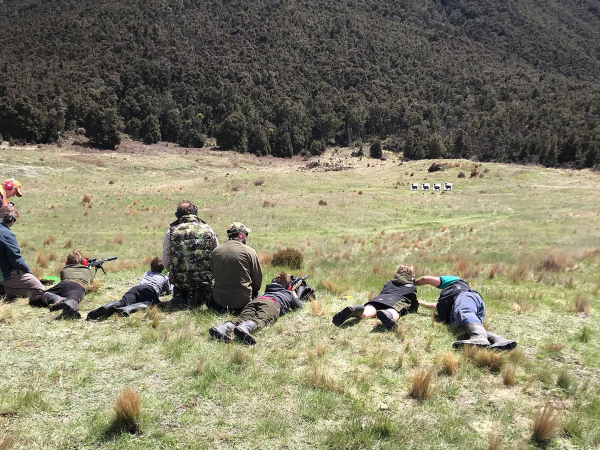 Hunters generally see deer as a valuable resource.
OPINION: As the general election approaches, political parties are churning out policies in the hope of attracting more votes.
However, some policies are missing the mark, like ACT's Backing Hunters policy.
The party proposes hunter-led management of game animals on conservaton land, something which has been handled by DoC. ACT wants the Game Animal Council to do this.
While this is music to the ears of hunters, farmers aren't impressed.
ACT will transfer responsibility for managing game animals on conservation land from DoC to the Game Animal Council, meaning hunters will set the targets rather than just being consulted. This will include full funding for all their current and proposed duties.
Farmers have fired a shot across ACT's bow, claiming that allowing the Game Animal Council to set game population targets is extremely concerning.
"ACT has fired a shot with this policy, but they've completely missed the mark," says Richard Dawkins, Federated Farmers pest management spokesperson.
Hunters generally see deer as a valuable resource. They want healthy herd numbers, plenty of hunting opportunitiees and, in some places, quality trophy animals.
On the other hand, many farmers view those same deer as pests that cause huge problems when they damage pasture, crops, fences, forestry and native vegetation.
Under ACT's plan, the people who value the animals would be setting the limits, while neighbouring farmers could carry the consequences and the costs.
Has ACT mistakenly assumed that the interests of hunters and neighbouring farmers are automatically aligned when they are not?
In any case, farmers should not be expected to carry the cost of maintaining game animal populations for someone else's recreational benefit.
Mobile phone coverage and reliability are deteriorating in rural areas, and farming families are bearing the cost, according to a Federated Farmers survey.

Farmer-owned fertiliser company, Ballance Agri Nutrients is welcoming National’s plan to negotiate security agreements with key supplier countries to protect New Zealand-bound products from export restrictions and greater supply chain certainty.
With a general election under five weeks away, Rural News is asking major political parties about their policies and positions on key issues facing the primary sector. We will run their responses to each question over the next four weeks. The ACT Party and the Greens didn't respond in time.
The Minister for Rural Communities, Mark Patterson, says there's a massive infrastructure deficit in rural areas.
A Labour-led Government won’t be bringing back the controversial freshwater rules of 2020.

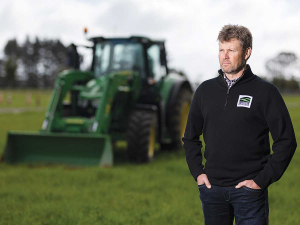
Mobile phone coverage and reliability are deteriorating in rural areas, and farming families are bearing the cost, according to a Federated Farmers survey.

HelloFresh New Zealand has launched a limited-edition Country Cookout Box of Southern-inspired meals, arriving as the 2026/27 rodeo season gets underway.
Beef + Lamb New Zealand Incorporated (BLNZ Inc) is marking 40 years of promoting red meat to New Zealand consumers, citing its taste, family meals and nutritional benefits.
Pāmu has welcomed Taranaki student Paige Burston as its newest First Foundation Scholar, supporting her journey towards a career in agriculture and animal science.
Farmer-owned fertiliser company, Ballance Agri Nutrients is welcoming National’s plan to negotiate security agreements with key supplier countries to protect New Zealand-bound products from export restrictions and greater supply chain certainty.
Carrfields has announced the appointment of Stu Hall to the newly created role of chief operating officer, Carrfields Ltd, reflecting the continued growth of their agribusinesses and the need to ensure the company has the leadership capacity and support in place as it pursues the emerging opportunities ahead.
OPINION: It seems Canterbury processor Synlait is still in the doldrums.
OPINION: Get offside with New Zealand First leader Winston Peters at your own peril.