Conversions of sheep and beef farms to forestry have slowed, however new research from Beef + Lamb New Zealand (B+LNZ) suggests land of value for food production remains at risk.
B+LNZ has been monitoring whole-farm sales for afforestation for several years.
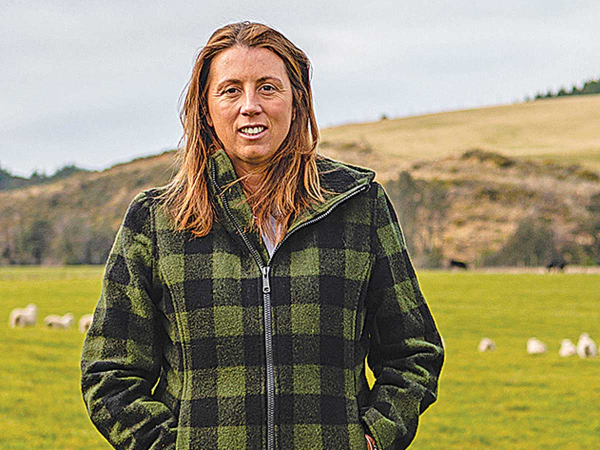
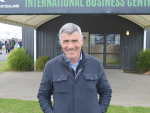
Kate Acland, B+LNZ chair, says the latest figures bring the total area of whole sheep and beef farms sold for forestry since 1 January 2017 to almost 330,000 hectares - equivalent to 3,300 square kilometres, or roughly six times the size of urban Auckland.
Another 30,000 Hectares Gone to Trees
New analysis by Orme & Associates found an additional 30,000 hectares of whole sheep and beef farms have been confirmed as sold for forestry since B+LNZ's previous research was released last year.
Revised confirmed sales for 2024 added 11,482 hectares, bringing the revised 2024 total to 41,966 hectares.
A further 15,743 hectares were sold in 2025, a figure expected to rise as additional sales are confirmed through the Overseas Investment Office.
"While we are pleased that total sales have slowed from the height of conversions to forestry in 2021 and 2022, when almost 64,000 hectares were sold each year, we remain concerned that too much is still going to occur," Acland says.
On Track to Lose a Million Hectares by 2050
According to the report, 27,000 hectares of sheep and beef land could still be converted to forestry each year under the restrictions introduced on whole farms entering the Emissions Trading Scheme (ETS).
Before 2018, when it was signalled that the cap on the carbon price would be lifted, average annual conversion was 7,000 hectares or less.
"27,000 hectares a year, combined with how much has already happened, would see New Zealand lose a million hectares of productive pastoral land by 2050, which is unsustainable for our sector, our rural communities and the country," Acland says.
She says restrictions introduced in 2025 are welcome but did not go far enough.
"We are concerned they do not go far enough and we will be keeping a close eye on ongoing levels of afforestation."
"Not Anti-Forestry" - But Right Tree, Right Place
Acland says B+LNZ is not opposed to forestry and supports the integration of trees within farms.
"Forestry presents an important and well-established diversification opportunity for farmers," she says. "Farmers know their land and can plant the right trees in the right places, without affecting overall levels of production."
Jobs Every Year vs a Payday Once a Generation
The research builds on earlier analysis by BERL, which found that sheep and beef farms generate employment and export revenue continuously each year, while forestry mainly generates employment and export revenue at harvest - typically 25 to 30 years after planting.
In 2025, New Zealand's red meat sector generated $17.5 billion, or 4% of GDP, and supported 120,580 jobs, equivalent to 5% total employment in New Zealand.
B+LNZ says converting productive farms to forestry makes it harder for rural communities to retain people and skills, which in turn reduces local spending, school rolls, rural services and future food-producing capacity.
The organisation estimates more than two million stock units have been lost to afforestation since 2017.