Hawke's Bay Fruit Growers Urged to Prepare for El Niño
Hawke's Bay fruit growers are being reminded of the need to prepare for whatever the El Niño weather system may bring in the coming months.




 increase font size
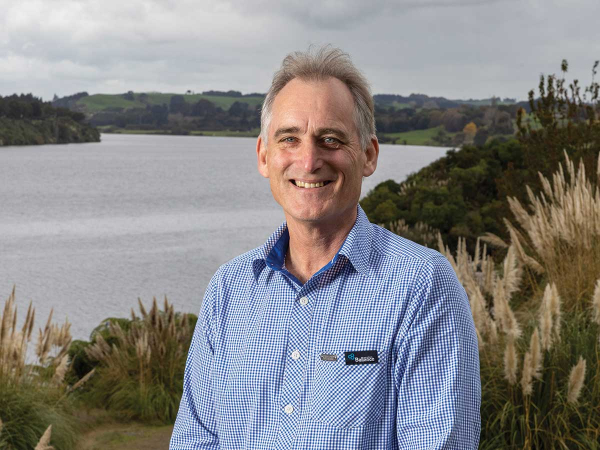 Warwick Catto
With forecasters advising El Niño conditions will develop through winter and strengthen into spring and summer, Ballance Agri-Nutrients is encouraging farmers and growers to think ahead about nutrient planning and be prepared to work around challenging weather conditions.
Current forecasts indicate El Niño has the potential for stronger westerly winds, drier conditions in eastern regions and increased rainfall particularly in parts of Southland, Taranaki and the West Coast.
Ballance science strategy manager Warwick Catto says while every El Niño is different, farmers should expect greater variability and fewer ideal application windows.
"Whether it's dry soils, persistent winds, or saturated paddocks, the common theme here is that nutrient application may become more difficult to time," he says.
"Farming has always been about making good decisions in the conditions you've got, not the conditions you'd like. This season may require a bit more flexibility and forward planning than usual."
Warwick adds serial application could be particularly challenging in exposed hill country and high-country environments where stronger westerly winds are forecast.
"Waiting for the perfect conditions can sometimes mean missing the opportunity altogether. Our advice is to plan ahead and where possible, act early, so nutrients have time to generate the feed required heading into spring and further on into the season."
Recent research and field observations undertaken by Ballance show there are still productivity benefits from nutrient application even when conditions are less than ideal.
"Many farmers worry that if rain arrives unexpectedly after an application, or if soil temperatures are lower than they'd like, they've wasted their investment. The reality is that's often not the case," adds Catto.
"The timing may not be perfect but having some nutrient application when pastures and crops need it is far better than running short entirely."
Ballance's work examining nutrient performance across a range of environmental conditions has shown nitrogen continues to deliver productive pasture responses under both dry and wet scenarios, provided applications are made appropriately and aligned with farm feed requirements.
"Nobody is suggesting extreme weather is ideal for growing feed, but what we've seen is that nutrients continue to do their job across a wider range of conditions than many people assume," he says.
"The key is understanding the likely response and planning accordingly."
Hawke's Bay fruit growers are being reminded of the need to prepare for whatever the El Niño weather system may bring in the coming months.
Farmers across parts of Southland and South Otago are continuing to deal with difficult conditions after a prolonged run of wet weather, with pressure building around feed supply, stock management, pasture damage, farm infrastructure and everyday workloads.
Westpac NZ is calling on farmers and growers to start preparing now for the possibility of a dry summer, as likely El Niño conditions raise the risk of drought across parts of the country.
OPINION: Have a plan in place now!
A spate of southerly winds bringing cold temperatures has presented challenges for Taranaki dairy farmers.


Farmer-owned fertiliser company, Ballance Agri Nutrients is welcoming National’s plan to negotiate security agreements with key supplier countries to protect New Zealand-bound products from export restrictions and greater supply chain certainty.

Carrfields has announced the appointment of Stu Hall to the newly created role of chief operating officer, Carrfields Ltd, reflecting the continued growth of their agribusinesses and the need to ensure the company has the leadership capacity and support in place as it pursues the emerging opportunities ahead.
New Zealand's role is not to compete with Indian growers, according to NZ Apples and Pears.
The potato industry is celebrating the success of two rising stars - James Blair, the 2026 Young Grower of the Year and runner-up and innovation award winner, Amber Davy.
Twenty-eight emerging leaders from across the horticulture sector spent two days last month learning valuable skills and connecting with industry experts.
There are five entrants in this year’s Young Horticulturist of the Year, competing in a series of technical, practical, business and leadership challenges.

OPINION: It seems Canterbury processor Synlait is still in the doldrums.
OPINION: Get offside with New Zealand First leader Winston Peters at your own peril.