Two new awards open to help young farmers progress to farm ownership
Entries have opened for two awards in the New Zealand Dairy Industry Awards (NZDIA) programme, aimed at helping young farmers progress to farm ownership.




 increase font size
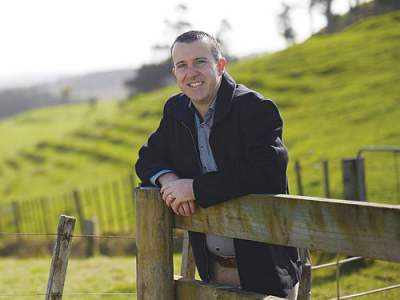 Nathan Penny.
The gap is closing between 2019 season and 2018 season prices, says ASB senior rural economist Nathan Penny.
In his weekly commodities report, Penny noted that the last 18 months or so have been stellar for lamb prices.
But lamb prices, so far over 2019, are hinting that they are running out of steam, he says.
Lamb prices opened 2019 at $7.20/kg, some 45c/kg lower than where they ended 2018. From the peak price of $8.43/kg back in September, the per kg price has now fallen $1.23/kg (or around 15%).
“This fall is a little more than we expected at this stage,” says Penny.
“The average fall over the past five years from the spring peak to autumn low is around $1.20kg. In other words, the fall to date has already exceeded the average fall with another two or so months before prices usually bottom out.
“Still at $7.20/kg, lamb prices remain healthy. Nonetheless, the steepness of the recent fall warrants a wary eye on lamb prices over the next month or two. In particular, we will be monitoring closely how Chinese lamb demand develops given the broader slowing in the Chinese economy.”
Entries have opened for two awards in the New Zealand Dairy Industry Awards (NZDIA) programme, aimed at helping young farmers progress to farm ownership.
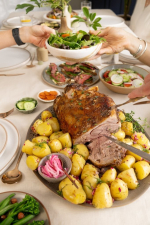
It’s official, lamb will take centre stage on Kiwi Christmas tables this year.
According to ASB, Fonterra's plan to sell it's Anchor and Mainlands brands could inject $4.5 billion in additional spending into the economy.
Sheep and beef farmers are cautiously optimistic as farmgate prices continue to firm.
The 2025-26 season is set to start on a high and a $10/kgMS opening forecast milk price isn't being ruled out.


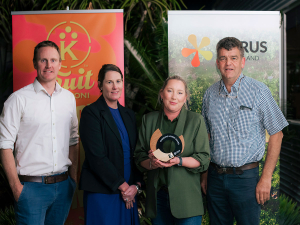
New Zealand's citrus growers were challenged to build their future on the value embedded in their fruit rather than the volume they produce, at Citrus New Zealand's annual gathering in Gisborne on 17 September.
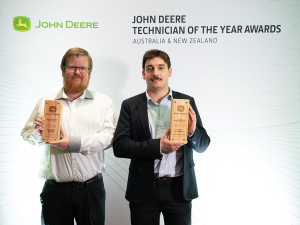
Leading John Deere technicians and apprentices from New Zealand and Australians were recognised at the recent sixth annual JD Technician of the Year Awards, held in Brisbane.
In Dacre, near Invercargill in New Zealand’s South Island, Bruce Dinnington is running a dairy operation unlike any other.
A free online platform aggregating governance vacancies across rural and regional New Zealand has been launched.
Environment Minister Nicola Grigg has announced details of a new rural plastics recycling scheme.
Agricultural drone operators say that a government decision to allow lower-risk drone work without certification won’t lower standards but drive innovation and efficiency.


OPINION: The same mainstream media muppets that brought you Jacindamania in 2017 have been flat out pimping for the Opportunities…
OPINION: Your old mate reckons the atrocious way farmers in the UK are treated by their lords and masters in…