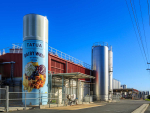
Ah Tatua, You've Done It Again!
Waikato milk processor Tatua has again declared a record milk payout to farmer shareholders, leaving other processors in the dust.




 increase font size
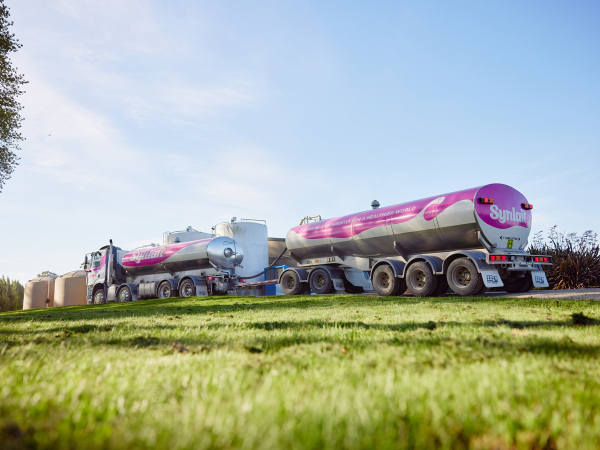 Synlait’s latest results mean the company’s sales are no longer even covering the direct cost of making and processing its products.
OPINION: Synlait's latest half-year result reveals a serious problem at the heart of the business: its core operations are no longer bringing in enough revenue to cover the cost of production.
The clearest warning sign is the collapse in gross profit. Synlait has swung from a positive $94.5 million gross profit in the prior period to a negative $1.4 million this half year – a deterioration of almost $96 million. That is more than a weak result. It means the company’s sales are no longer even covering the direct cost of making and processing its products.
That should set off alarm bells because the weakness sits in Synlait’s core business – milk powder, liquid milk, and nutritionals. This is the foundation of the company, and right now that foundation is under serious strain.
The result points to a broader mix of pressures, including rising production and operating costs, and inventory problems.
Furthermore, there is significant provision for onerous contracts customer contracts that are expected to lose money because the cost of supplying them is now higher than the revenue they bring in. In other words, some of Synlait’s deals may now be destroying value rather than creating it.
Revenue held up, but cost of sales rose to the point where Synlait was losing money before administration, distribution, and finance costs were even counted. That is why the overall loss is so large. Once gross margin turns negative, every other cost line adds to the damage.
Until Synlait’s core business starts covering its production costs again, the turnaround will remain long, difficult, and far from certain.
Waikato milk processor Tatua has again declared a record milk payout to farmer shareholders, leaving other processors in the dust.
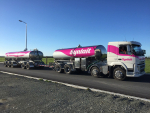
Synlait has swung to second-half profit as operations stabilise, but the dairy processor still posted a $75.4m annual loss.
OPINION: It seems Canterbury processor Synlait is still in the doldrums.
Speculation of a possible joint move by Fonterra and a2 Milk to buy Synlait raises a much bigger strategic question, says agribusiness expert Dr Nic Lees.
A revolving door of chief executives at milk processor Synlait is a warning sign, says Lincon University senior lecturer in agribusiness Nic Lees.


Returning to the family dairy farm after playing 20 years of professional rugby around the world is no easy task.

After delivering another record farmgate milk price to 100 supplying farms, independent milk processor Tatua is entering thee new financial year with a positive outlook.
Managing feed by sticking to a firm plan has helped the Southern Dairy Hub (SDH) demonstration farm survive an extremely wet winter, says the farm's acting general manager Greg Delaney.
A record farmgate milk price and strong global demand is laying the foundation for continued growth of organic dairy farming in New Zealand.
Mobile phone coverage and reliability are deteriorating in rural areas, and farming families are bearing the cost, according to a Federated Farmers survey.
HelloFresh New Zealand has launched a limited-edition Country Cookout Box of Southern-inspired meals, arriving as the 2026/27 rodeo season gets underway.



OPINION: It seems Canterbury processor Synlait is still in the doldrums.
OPINION: Get offside with New Zealand First leader Winston Peters at your own peril.




