The condition of New Zealand's rivers should never be treated as a political football. Yet in the past two weeks we've seen two blatantly political announcements treating it that way.
One suggestion was to reduce dairy cow numbers by 80%. This would require relocating about four million cows. SPCA would be overwhelmed tackling this challenge.
Social media and talkback radio opinion had the idea coming across as a serious option, with dairy farmers in the firing line. Suggestion arose of a conspiracy between Federated Farmers, Fonterra and the Government.
Absurd! It's like saying NZ has too many people and we need to reduce our population by 50% because humans are harming the environment.
If anyone had bothered googling, they would have seen the 'opinion maker' involved has a history of aggressive sound-bites expressing a disturbing and often moronic hatred of dairy farmers and Federated Farmers.
Meanwhile, the Green Party dropped the second political bombshell (more like an under-inflated pig's stomach) -- perhaps to deflect attention from the party's 'marriage of convenience' to Labour.
It all looks cosy on the outside and might be construed as an advance in MMP politics. But look under the bonnet at the 'pre-nup' and it doesn't look so rosy; it looks akin to getting married at first sight -- especially when we know that one of the nuptial couple has the hots for another man, who typically plays hard to get. You know it will end in tears before the wedding vows, if it means running the country; the Green Party will be jilted at the altar, again for Labour's old ex. But enough already of the wedding gossip.
This latest political clunker was a suggestion that we clean up ten "polluted" rivers -- one of them the Ruamahanga.
Politics again! Only one of the rivers suggested is entirely in an urban area. Fact is urban rivers and streams are the most degraded in the country. But this doesn't attract votes -- making Aucklanders spend billions cleaning up their streams. Much smarter to make others pay where you don't have many votes to lose.
This idea sucks (or is that 'sux'?) by giving the impression nothing is being done in the Ruamahanga and that as a community we don't value it. Urban and rural landowners have done lots to improve the river. Yes, it could happen faster, but someone always has to pay.
Farmers are doing their bit: fencing, effluent storage ponds and managing their land better to reduce effects. All townships in the catchment are now either treating sewage on land where possible or have a plan to stop running sewage to the river; next they will get busy on stormwater.
Wairarapa has so far committed about $150 million to this. Yes, there is plenty more work to do but in a small provincial economy it doesn't get done overnight.
So here's my message to those using our rivers and farming as political footballs: get the facts straight, focus on the positives and get people in behind a reasonable, practicable course of action that will make a difference.
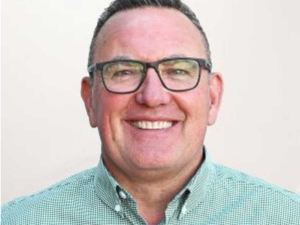
• Jamie Falloon is Federated Farmers Wairarapa provincial president.