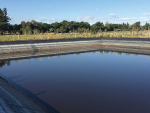
Dairy Effluent Management: Right Amount at the Right Time
Good effluent management on a dairy farm combines a well-designed system with proper processes to ensure the right amount of effluent gets applied to pasture at the right time.




 increase font size
 Pichon slurry tanker.
CB Norwood Distributors will be at the Effluent Expo (November 27, 28) with its Pichon slurry tankers and pond stirrers.
Pichon’s TCI (tanker with integrated chassis) range has been a key product since 1970, with the integrated chassis design assuring stability, durability and a very low centre of gravity. These come in a range from 2600 - 30,000L with single-, dual- or tri-axle suspension.
Inside the tanks, single, dual or triple baffles maximise stability particularly when partial loads are carried.
The design specifies dished heads at each end of the tanks for resistance to vacuum and pressure, and tank wall thicknesses vary from 5 - 8mm depending on tank diameter. This allows Pichon to offer a 5-year warranty on the TCI tank and the chassis, covering any premature strain or distortion during normal use. Tankers are galvanized inside and out for high resistance to corrosion and long service life.
Modular design allows customising for various applications, with a range of spreading options including splash plates, dribble bars, disc and tine injectors.
Accessories such as the autofill device remove the need to leave the cab when filling, delivering a clean and safe method of operation.
Options include a choice of vacuum pumps, tyres, electro-hydraulic control and flow meters for automated regulation of quantities applied per hectare.
Pichon’s range of pond stirrers suit depths from 2.5 - 6.5m. These are designed for easy maintenance and a long life using hot dip galvanized components including the main frame.
A screw propeller and counter blades -- rather than simple blades -- allow accurate mixing of the pit or pond, and provide uniformity of the slurry to reduce blockages and ensure even spreading.
Good effluent management on a dairy farm combines a well-designed system with proper processes to ensure the right amount of effluent gets applied to pasture at the right time.
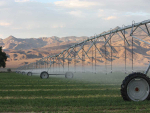
For years, IrrigationNZ has called for a coordinated national approach to water security, backed by enabling regulation, strategic infrastructure investment and sound technical practice. As the 2026 general election approaches, many of these priorities are now reflected in political commitments and legislative reforms. That represents significant progress, but the real measure of success will be turning policy into practical outcomes, says IrrigationNZ principal technical officer Stephen McNally.
In a move that will ask the question about the viability of manufacturing tractors in high-cost economies, Czechia-based manufacturer Zetor is to stop making tractors at its Brno factory and relocate production to India and China.
Tararua district farmer Jamie Harris milks around 400 cows using a split calving system on his farm, Crossdale Dairies.
Water management is an integral component of sustainable farming practices, according to Watermetrics.



During the nesting season, from September to December, industrious starlings can quickly build nests in the darker areas behind tractor and vehicle, usually close to hot engines, typically resulting in localised damage or in some cases complete write-offs.
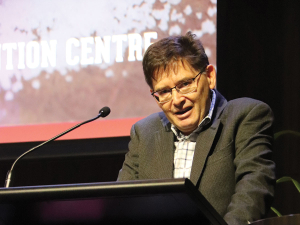
The meat processing industry is much more collegial than it was in the past and is now more focused on common goals.
With the last couple of months having seen some potential tractor purchases put on hold with the impending election and continued input cost rises, year-to-date figures, ending September, has seen deliveries up around 5% over the same period in 2025, with a total of 2026 units.
Beef+Lamb New Zealand is calling for nominations for director roles in the Northern South Island and Northern North Island electoral districts.
Fonterra chief executive, Richard Allen says being resilient has helped the dairy industry overcome extreme volatility in recent years.
The head of the Ministry for Primary Industries (MPI) trade and international relations group says New Zealand is well-positioned to secure trade access and compete internationally as the world becomes more complicated, demanding and uncertain.
OPINION: It seems Canterbury processor Synlait is still in the doldrums.
OPINION: Get offside with New Zealand First leader Winston Peters at your own peril.




