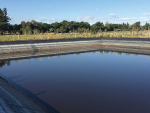
Dairy Effluent Management: Right Amount at the Right Time
Good effluent management on a dairy farm combines a well-designed system with proper processes to ensure the right amount of effluent gets applied to pasture at the right time.




 increase font size
 A council officer finds a stream is a bit deeper than thought, when sampling for effluent.
Two farmers and two farming companies were recently convicted and fined a total of $108,000 for environmental offending.
The conviction follows three separate prosecutions taken by Waikato Regional Council under the Resource Management Act (RMA).
Stella Farming Ltd, LTB Farms Ltd, Scott Blundell and Michael Davidson all faced charges relating to unlawful discharges of dairy effluent through improper use of irrigators.
They were fined $44,000, $26,000, $2,000 and $36,000 respectively by Judge Jeff Smith in the Huntly District Court on 1 December.
Blundell, an employee of LTB Farms, was also sentenced to 100 hours community service.
Stella Farming Ltd faced an additional charge for failing to exclude stock from a waterway.
All the breaches occurred between March and August 2024 in the wider Te Awamutu area.
Waikato Regional Compliance Manager, Patrick Lynch says that effluent irrigation is critical to dairy farm management but when done improperly, it can cause negative impacts on waterways.
"All farmers have a responsibility to ensure their systems are fit for purpose and operated correctly," Lynch says.
Waikato Regional Council says it remains committed to ensuring compliance with environmental regulations and protecting the region’s waterways and land from harmful discharges.
Good effluent management on a dairy farm combines a well-designed system with proper processes to ensure the right amount of effluent gets applied to pasture at the right time.
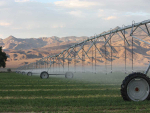
For years, IrrigationNZ has called for a coordinated national approach to water security, backed by enabling regulation, strategic infrastructure investment and sound technical practice. As the 2026 general election approaches, many of these priorities are now reflected in political commitments and legislative reforms. That represents significant progress, but the real measure of success will be turning policy into practical outcomes, says IrrigationNZ principal technical officer Stephen McNally.
A pause on Waikato Regional Council's (WRC) plan change that sets new freshwater rules for farming could be announced in the coming weeks.
OPINION: Staying on Plan Change 1, NZ First deputy leader Shane Jones took to social media to gain some political points.
OPINION: All eyes are on the Government as Waikato farmers seek urgent help to fend off the controversial Plan Change 1 (PC1), designed to manage nutrient discharges into waterways in the region.


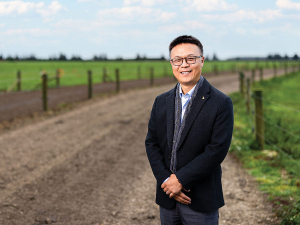
Canterbury milk processor Synlait has come through tough times and is now ready to scale up from a stable base, says its newly confirmed CEO Leon Fung.

NZPork says a ham made in New Zealand is not necessarily made from New Zealand pork.
Rural Contractors NZ says proposed changes to land transport rules for agricultural vehicles are a welcome response by the Government to out-of-date regulations which have seen members hit with huge fines.
With New Zealand’s greenhouse gas emissions in the spotlight, Auckland scientist Nathan Balasingham says there’s a better way to tackle the problem than shrinking cow numbers or fertiliser usage.
Massey University vice chancellor Pierre Venter says his institute is moving from a period of austerity into a growth phase, based on their new strategy.
With the red meat sector going through a boom time with high prices, the time is right for the industry to step up its investment into developing new food products.




OPINION: The same mainstream media muppets that brought you Jacindamania in 2017 have been flat out pimping for the Opportunities…
OPINION: Your old mate reckons the atrocious way farmers in the UK are treated by their lords and masters in…




