International Day of Rural Women: Two DairyNZ Farmers’ Stories
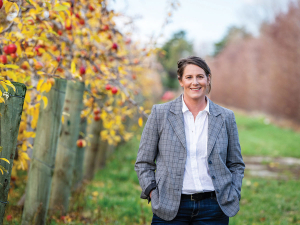
Today, 15 October, is the International Day of Rural Women, which recognises rural women’s contribution to farming, communities and the environment.




 increase font size
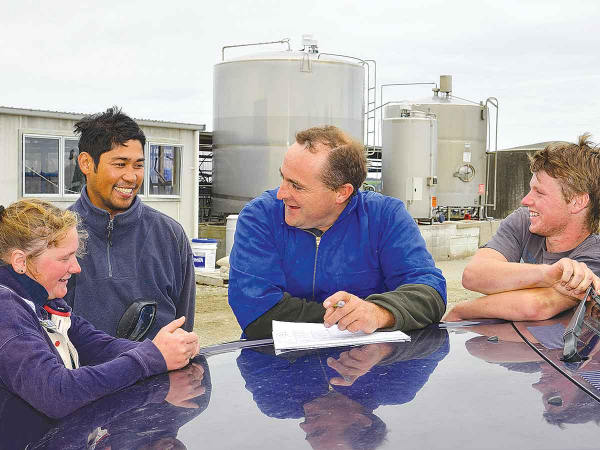 Communication from the boss is the number-one thing that matters to employees.
Despite it being a busy time, being a good boss during calving is absolutely achievable, says DairyNZ’s People Team leader Jane Muir.
Here are some tips to help you be a supportive boss and get the best out of your staff.
Communication
According to DairyNZ’s recent survey, communication from the boss is the number-one thing that matters to employees. So make sure everyone in your team knows what tasks need to be done, what’s expected of them and what they’re responsible for.
Regular catch-ups are more important than ever and will result in everyone knowing what the priorities are, which actually saves time. This could be as simple as catching up over breakfast or having a 10-minute meeting in the smoko room after morning milking.
Plan your roster for calving
Ensure you and the team are prepared, competent and enthusiastic – at the beginning, in the middle and right through to the end of calving. That means everyone needs to work realistic hours and enjoy regular days off-farm.
This season, there’s a chance you’re going into calving with reduced team numbers. If so, it’s even more important to plan your roster. Consider employing someone to help with calving on a fixed-term employment agreement. That extra person can make a big difference in reducing workload stress for everyone and improving outcomes.
Also think about how you could improve rosters and hours of work, and how you allocate tasks. Are some staff having to get up early all the time? Are people getting enough breaks and time off to recharge?
Wellbeing
Team members may be feeling more stressed or anxious than usual. What extra support can you provide during the busy period? Tea and coffee, bottled water, and nutritious energy-boosting snacks like fruit, muesli bars and protein drinks, can go a long way.
Talk with your team about important on-farm health and safety issues for this time of year. Accidents are more likely when people are tired and busy, so try to reduce risks but also ensure staff know that safety is the most important thing – a strong safety culture will give the best and safest outcomes for your business.
Make the most of every opportunity to upskill your team members – it’s a big factor in keeping people motivated and satisfied in their job.
Remember to take time to celebrate a few milestones during the busy period. A simple fish and chips night, or cake and coffee at morning tea, can be a real morale-booster. It doesn’t take much but it’ll mean a lot to your staff.
For more tips and resources for being a good boss, visit
Today, 15 October, is the International Day of Rural Women, which recognises rural women’s contribution to farming, communities and the environment.
The first major update to the Dairy Cattle Code of Welfare in more than a decade has been released, marking what DairyNZ describes as an important step in ensuring animal welfare standards continue to evolve alongside scientific evidence and on-farm realities.
Have a plan in place for your cows and staff.
DairyNZ deputy chair Cameron Henderson has been re-appointed unopposed for another term.
OPINION: The stats speak for themselves.


National’s pledge to introduce 19 new national standards shows the party is serious about getting Wellington out of farming, Federated Farmers says.
The National Party’s policies to make it easier to grow fresh vegetables, secure reliable water and energy and simplify farm planning are practical changes that will give growers the confidence to invest, according to Horticulture New Zealand (HortNZ).
Fonterra Co-operative Group chief financial officer Andrew Murray has resigned to take up a role outside the dairy giant.
A major move is about to get underway to improve the quality and viability of dairy beef and cattle in NZ.
Veterinarians say changes to the code of welfare for dairy cattle provides a positive foundation for improved cattle welfare across the country.
Today, 15 October, is the International Day of Rural Women, which recognises rural women’s contribution to farming, communities and the environment.




OPINION: It seems Canterbury processor Synlait is still in the doldrums.
OPINION: Get offside with New Zealand First leader Winston Peters at your own peril.




