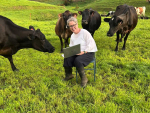
International Day of Rural Women: Two DairyNZ Farmers’ Stories
Today, 15 October, is the International Day of Rural Women, which recognises rural women’s contribution to farming, communities and the environment.




 increase font size
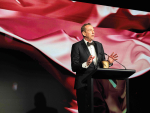
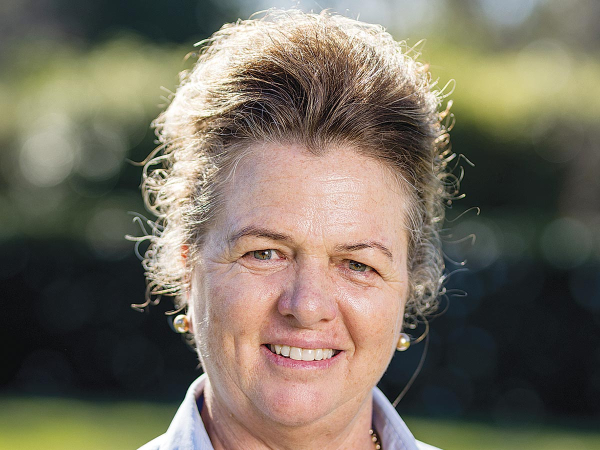 DairyNZ chair Tracy Brown
DairyNZ chair Tracy Brown is urging dairy farmers to participate in the 2026 Levy vote, to be held early next year.
“We need your support to continue our support of you and your dairying business,” Brown told DairyNZ's annual meeting in Hamilton yesterday.
All farmers who supply milk to a dairy company pay a levy to DairyNZ. This includes sharemilkers and dairy farm leaseholders. It’s collected under the terms of the Commodity Levies (Milksolids) Order 2020, which caps the levy at a maximum of 5c/kgMS.
The Levy vote is held every six years and all levy paying farmers can vote. The next vote takes place between Monday, 16 February 2026 through and Friday, 13 March 2026.
Brown told farmers that the vote is an opportunity to build on what they’ve always done for the sector - to come together to drive a stronger future for dairy farming in New Zealand.
“What happens on your farm is because of you. It’s your hard work, care and plans that moves your farm business forward. But there’s a lot of what you do that keeps getting better because for generations, you’ve been part of each other’s success.
“You’ve shared knowledge. You’ve shared the cost and on farm solutions from future-focused research. You’ve had a clear, united dairy voice that has meant more government support and practical policy.
“That’s what your levy is for – a collective investment to support you on farm and a strong vision for the future of New Zealand dairy.”
Brown says by supporting the levy vote, farmers are supporting a vision where dairying is a vibrant and rewarding industry, they are proud to be a part of.
She says dairy farmers share innovation and best-practice methodologies freely to increase production while ensuring nobody is unwillingly left behind.
“We shouldn’t take this for granted as this doesn’t happen in many other countries.
“Our highly productive herds stand out for exceptional genetics, herd health and wellbeing. So much so, that New Zealand leads the world in responsible dairy production.
“Our wider industry attracts talented young people to a sector that cares for its people, animals and the environment to produce the world’s highest quality dairy.
“It’s a sector where responsible growth is possible because we tread more lightly in the environment and understand the carrying capacities of different regions.
“In February next year, let’s get out and vote.”
The last Levy vote in 2020 recorded a 67% turnout (milksolids) and achieved a 74% yes vote based on milksolids.
Today, 15 October, is the International Day of Rural Women, which recognises rural women’s contribution to farming, communities and the environment.
The first major update to the Dairy Cattle Code of Welfare in more than a decade has been released, marking what DairyNZ describes as an important step in ensuring animal welfare standards continue to evolve alongside scientific evidence and on-farm realities.
Have a plan in place for your cows and staff.
DairyNZ deputy chair Cameron Henderson has been re-appointed unopposed for another term.
OPINION: The stats speak for themselves.


Farmers are being encouraged to rethink how they manage waste on farm with the launch of ruralwastesorted.co.nz, a new website bringing together practical tips, real farmer experiences and resources.

New Zealand Winegrowers (NZW) is celebrating the India-New Zealand Free Trade Agreement (FTA) coming into force today, bringing New Zealand wine improved access to one of the world’s fastest-growing economies.
New Zealand’s red meat sector has welcomed the India-New Zealand Free Trade Agreement taking effect, which removes India’s 33% tariff on New Zealand sheepmeat.
More than 95 per cent of New Zealand’s forestry and wood exports to India can now enter tariff free as the New Zealand-India Free Trade Agreement comes into force today.
Federated Farmers is backing Feilding High School’s call to keep Agriculture and Horticultural Science as a standalone subject in Year 11.
Food and fibre exports have returned a billion- dollar bonus to the country.

OPINION: It seems Canterbury processor Synlait is still in the doldrums.
OPINION: Get offside with New Zealand First leader Winston Peters at your own peril.




