Watermetrics highlights smarter water monitoring for farms
Water management is an integral component of sustainable farming practices, according to Watermetrics.




 increase font size
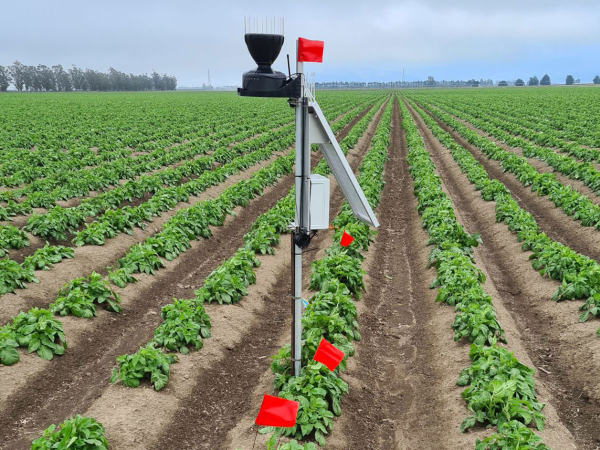 Soils presentations clearly show the effects of irrigation applications helping users to calculate potential future application rates.
Watermetrics was formed as a water data collector and currently supplies and services modern technology such as flow meters, soil moisture and EC probes, weather stations, hydrostatic and ultrasonic level sensors nationwide.
Collecting relevant data is the base to making informed management and wateruse decisions, which as an example might include over watering via irrigation, but it’s not unrealistic to say that accurate data can save 10-20% of the water without reducing yield, as pumping cost savings dwarf the actual data costs.
Offering specific easyto- read presentations, alongside a backup team to help you understand and better utilise the information provided, data sources can be interpreted to send alerts for critical points to a user’s cell phone, saving physical staff time and providing peace of mind for a manager.
Soils presentations clearly show the effects of irrigation applications helping users to calculate potential future application rates. In practice, a soil probe takes readings at 100mm intervals, giving in-depth detail of key soil indicators for moisture, salinity, and temperature. This is complemented with a weather forecasting function, as well as crop agronomy requirements and any current or future water supply concerns.
Effluent or waste application to land has also become an important consideration, with the timing and volume of applications being critical to how the soil will respond and any potential damage to adjoining waterways. Understanding moisture levels prior to any applications is also critical, as is understanding the salinity, which correlates with nitrogen and other mineral levels. Specific crops perform best at certain electrical conductivity (EC) levels, so following the trend of EC over the year is a good indicator that an effluent management programme is working as it should.
In today’s regime of proof of placement, water use data needs to be presented in a timely and accurate manner local and regional councils for consent purposes. Watermetrics staff are experienced in this area and maintain a credible relationship with councils on a user’s behalf. Nationwide verification work is undertaken with Blue Tick qualified staff.
Looking at the livestock sector, stock water monitoring can look at tank or pond level readings, with alerts for leakage or low levels, meaning farm staff time are relieved of the task of travelling to remote locations to check supplies.
Watermetrics’ Axioma meters, designed for use with smaller 15-50mm diameter pipe, can measure the amount of water that has entered a system, alongside ensuring the correct amount has arrived at the desired location. This is helpful for leak detection work by saving time and money, while also being useful for measuring amounts going to scheme users to ensure accurate data collection for onward billing.
Water management is an integral component of sustainable farming practices, according to Watermetrics.
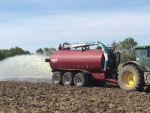
Research suggests that up to 90% of the nutrient value in effluent can be retained if the material is used efficiently, with additional benefits being gained by increasing soil organic matter, leading to improved water holding, aeration and drainage.
Imagine transforming your dairy farm’s waste into a goldmine of savings and productivity.
A holistic approach to sustainability sees Pukatea Dairy Farms take out the top award at this year's Canterbury Ballance Farm Environment Awards.
OPINION: Normally farmer good organisations are happy to use the media to get their message across to politicians and the consumers.


Alliance is calling for final applications for its 2027 Graduate Programme, with applications closing on Sunday 25 October.
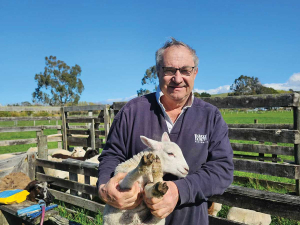
Decades piloting planes has ensured vet and farmer David Hayes is focused on safety. So, after a serious accident while welding on farm, he is sharing his experience so others can learn from it.
Canterbury milk processor, Synlait Milk has confirmed Leon Fung as its chief executive officer.
OPINION: Making it easier to collect rainwater and use it to grow crops and livestock is a no brainer.
As part of its Election 2026 coverage, Rural News asked political parties how they would help pull the arable sector out of the doldrums. Here's what they said:
Farmers are being encouraged to rethink how they manage waste on farm with the launch of ruralwastesorted.co.nz, a new website bringing together practical tips, real farmer experiences and resources.

OPINION: It seems Canterbury processor Synlait is still in the doldrums.
OPINION: Get offside with New Zealand First leader Winston Peters at your own peril.




