Dairy Sector Drives Strong Rural Property Market Activity in NZ
The latest data from the Real Estate Institute of New Zealand (REINZ) reveals a mixed rural property market due to consistent inflation concerns.




 increase font size

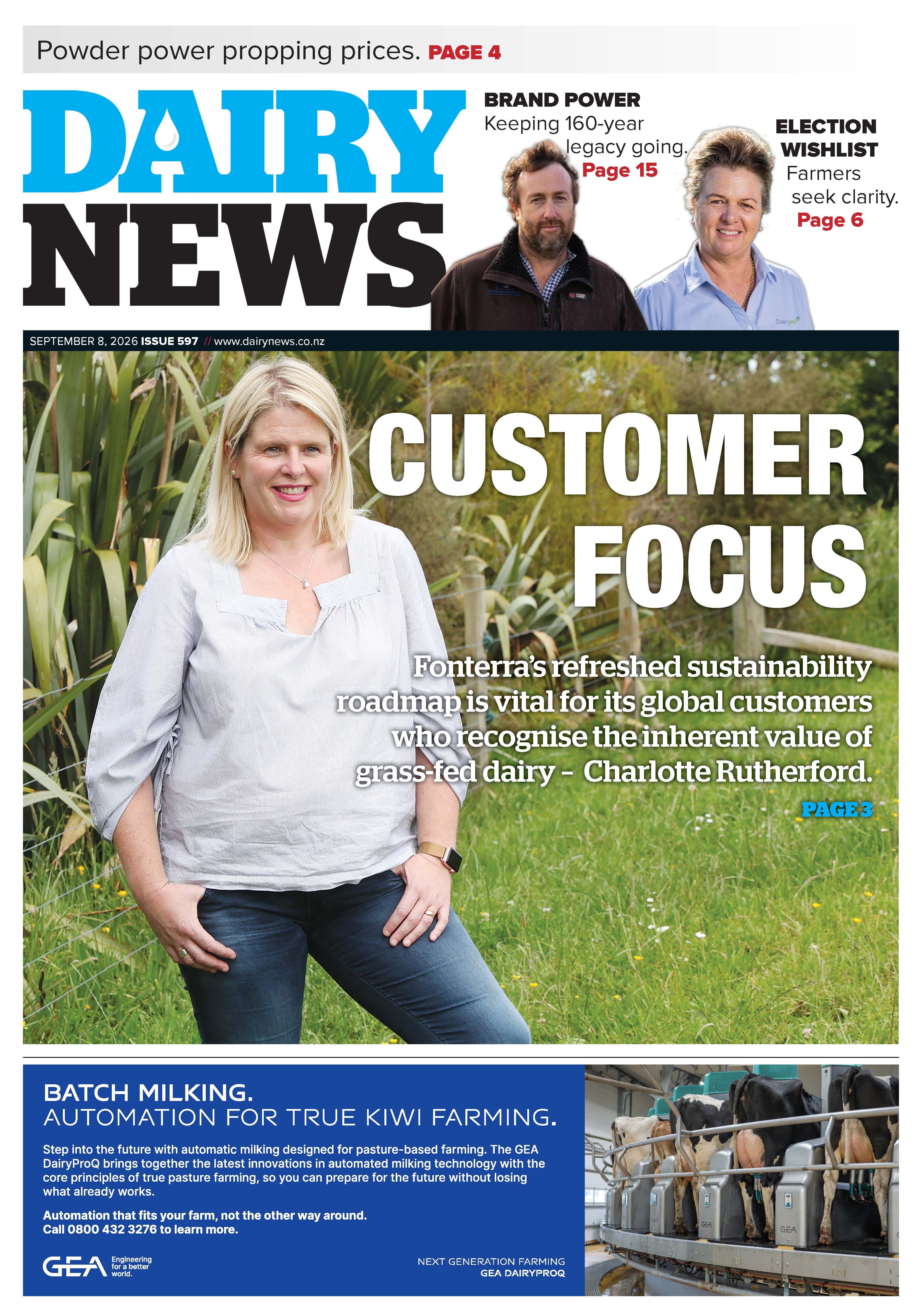
Taranaki seems to be bucking the trend in sales of dairy farms nationwide, and it may be due to sharemilkers.
Real estate agent Peter McDonald says in the past dairy farms put up for sale were usually snapped up by the dairy farmer next door. But in the last year or so this hasn’t happened. Instead the farms are selling to sharemilkers buying their first farm.
Taranaki dairy farms’ average smaller size partly explains this, says McDonald. A Taranaki farm may sell for $2.6 million to $2.8m, whereas a bigger farm elsewhere may cost $7m or more.
“Taranaki has traditionally had a lot of smaller farms of 60 - 80ha – more affordable and not so much borrowing.
“The sharemilkers who bought such farms had been on properties with up to 600 cows and they built up some equity, sold some cows and financed themselves into these farms. And the banks have also come to the party in most cases.”
“In some cases vendors have left money in the farm,” says McDonald. Many years ago it was not uncommon for vendors to leave money in their farms. Now there is hint that this is coming back and many farmers are leaving the industry.
Farmers spoken to by Dairy News say that if their sons or daughters decline to keep farming they (the owners) prefer to retire to nearby towns where they already own property. Some farmers don’t want another sharemilker on their farm and just want out of the business.
“So leaving the money in the farm was probably the best thing,” says McDonald. “They were only going to get 2% or 3% at the bank but they were probably going to do better by leaving their money in the farm. This is an attractive proposition for vendor and buyer.”
Also, older dairy and sheep and beef farmers must face increasing legislation and paperwork. Farmers like to farm, but new and pending compliance issues are too much for many and leaving the industry gets them out of this.
The latest data from the Real Estate Institute of New Zealand (REINZ) reveals a mixed rural property market due to consistent inflation concerns.
The Real Estate Institute of New Zealand (REINZ) has released its latest rural property report, providing a detailed view of New Zealand’s rural real estate market for the 12 months ending December 2025.
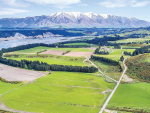
Buoyed by strong forecasts for milk prices and a renewed demand for dairy assets, the South Island rural real estate market has begun the year with positive momentum, according to Colliers.
Farm sales are on the rise. According to recent data from the Real Estate Institute of New Zealand (REINZ), there was an 18.9% increase in farm sales for the three months ending August 2024 compared to the same period in 2023.
Recently released data from the Real Estate Institute of New Zealand (REINZ) shows there were 224 fewer farm sales (-48.6%) for the three months ended April 2023, compared to the same period last year.


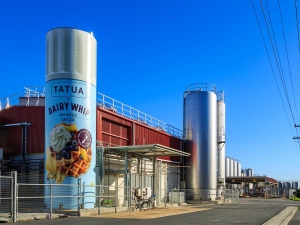
Waikato milk processor Tatua has again declared a record milk payout to farmer shareholders, leaving other processors in the dust.
A Labour-led Government won’t be bringing back the controversial freshwater rules of 2020.
National’s much-touted free trade deal with India featured in the Rural Issues Debate at Mystery Creek, Hamilton on Wednesday night.
New Zealand's 2026-27 freshwater fishing season has opened, with anglers encouraged to head to rivers and lakes over the coming days as conditions look favourable across much of the country.
Central Otago District Council (CODC) has voted against a plan to spread treated sewage sludge from Cromwell and Alexandra on farmland near Lauder, a decision Federated Farmers says reflects strong opposition from rural residents.
Pāmu has released its FY26 Integrated Annual Report, reporting a Net Operating Profit of $113 million, more than double the $49 million recorded in FY25.
OPINION: It seems Canterbury processor Synlait is still in the doldrums.
OPINION: Get offside with New Zealand First leader Winston Peters at your own peril.