What the 2026 Election Means for Rural Landowners
OPINION: The farm policy on the table this election, what it could mean for land, and why the market you're in today still matters most




 increase font size
 There was an 18.9% increase in farm sales for the three months ending August 2024 compared to the same period in 2023
Farm sales are on the rise. According to recent data from the Real Estate Institute of New Zealand (REINZ), there was an 18.9% increase in farm sales for the three months ending August 2024 compared to the same period in 2023.
However, this was still a 10% decrease on the 231 sales recorded for the three months ending July 2024.
In total, 923 farms were sold in the year to August 2024, a decline of 166 farms compared to the previous year.
Overall, the REINZ All Farm Price Index showed stability, with a slight decrease of 2.1% in the three months leading up to August compared to July.
The three months leading to August 2023 marked a 3.2% decline.
REINZ rural spokesman Shane O’Brien says that despite the headwinds currently faced by the rural sector, it is encouraging to see sales levels reach the same levels of the past two years, with 57 sales recorded in August 2024 compared to 55 in August 2022 and 51 in August 2023.
“August is traditionally a slow month for sales as many sellers wait for the warmer spring months and the traditionally busier selling months of October to December,” O’Brien says.
“Many agents across the country are reporting increased enquiries during the month, with many tipping, so there could be some renewed confidence among buyers towards the dairy and dairy support sectors of the market,” he says.
For the three months ending August 2024, the median sales price per hectare for dairy farms was $36,930, compared to $35,705 for the three months ending July 2024 and $35,960 for the three months ending August 2023. The median price per hectare for dairy farms has increased by 2.7% over the past 12 months.
OPINION: The farm policy on the table this election, what it could mean for land, and why the market you're in today still matters most
The latest data from the Real Estate Institute of New Zealand (REINZ) reveals a mixed rural property market due to consistent inflation concerns.
The Real Estate Institute of New Zealand (REINZ) has released its latest rural property report, providing a detailed view of New Zealand’s rural real estate market for the 12 months ending December 2025.
Beef + Lamb New Zealand (B+LNZ) says the Government needs to close loopholes in the guidance around limits on carbon forestry as news of further whole-farm sales emerges.
Buoyed by strong forecasts for milk prices and a renewed demand for dairy assets, the South Island rural real estate market has begun the year with positive momentum, according to Colliers.

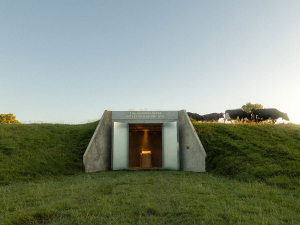
Halter has launched Mav, an AI farming assistant that lets dairy farmers ask questions about their herd and pasture and get answers drawn from the data the company’s collars already collect.
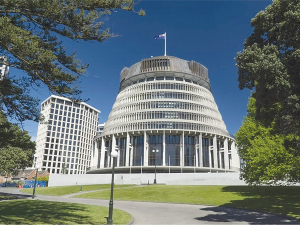
OPINION: At first glance it appears that Father Christmas has delivered the rural sector good tidings, with most pundits predicting the return of the centre-right coalition.
For 15 years, Glenda Rees has travelled from Gore to Awarua, often several times a week, to keep watch over one of the country’s rarest birds.
With some farmers opposing a government-industry partnership set up to develop methane reducing products, one NZ company claims that it already has a product on the market.
During the nesting season, from September to December, industrious starlings can quickly build nests in the darker areas behind tractor and vehicle, usually close to hot engines, typically resulting in localised damage or in some cases complete write-offs.
The meat processing industry is much more collegial than it was in the past and is now more focused on common goals.

OPINION: It seems Canterbury processor Synlait is still in the doldrums.
OPINION: Get offside with New Zealand First leader Winston Peters at your own peril.