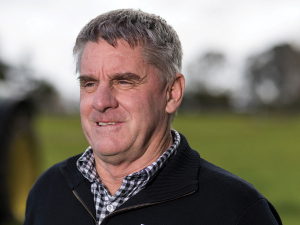
Mark Hooper Joins NZPork Board as Independent Director
Rural leader Mark Hooper has been appointed as an independent director to the NZPork board, bringing extensive farming, governance and advocacy experience to the role.
With Gypsy Day fast approaching OSPRI offers advice for NAIT and TBfree.
To ensure you meet your NAIT and TBfree programme obligations follow these steps when moving or selling stock this Gypsy Day.
• Update your contact details with OSPRI and record your stock movements.
• Check the TB status and testing requirements of the area into which you're moving cattle.
• Correctly complete an animal status declaration (ASD) form when shifting stock and do not accept any animals onto a farm if they're not accompanied by a correctly filled-out ASD form.
• Make sure that stock shifting from a movement control area have a pre-movement TB test within 60 days.
"We know that Gypsy day is a busy time of the year but it is important that farmers understand and meet both their NAIT and TBfree programme obligations," says OSPRI chief executive Michelle Edge.
NAIT data is used to trace the movements of potentially infected stock, both on and off farm, so the source of the disease can be identified and special TB testing programmes established to contain the infection.
As long as contact details and location are up to date, OSPRI can call when the herd is due for a TB test. Updating details is quick and easy and is crucial for keeping TB under control.
For help with all of these steps, call OSPRI on 0800 482 463.
Minister of Conservation Hon Tama Potaka has appointed Susan O'Regan as Chair of the Queen Elizabeth II National Trust (QEII) for a three-year term.
Red meat farmers are welcoming Labour’s plan to review the Emissions Trading Scheme and not to campaign on pricing agricultural emissions.
Where any worker in the kiwifruit industry is mistreated, we expect the authorities to take action.
Mid Canterbury Federated Farmers arable chair, Bevan Lill, said Beef + Lamb NZ data indicated that for the last six years, the average arable return on investment was about 0.8% while inflation ran about 4% - so the average arable farm was going backwards at about 3% a year.
Seed and grain companies share the concerns of arable farmers about the viability of their sector, says Seed and Grain New Zealand chief executive Dr Sarah Clark.
The New Zealand Institute of Forestry (NZIF) says unnecessary changes to New Zealand’s Emissions Trading Scheme (NZ ETS) will seriously erode investor confidence and result in significant reductions in forest planting rates.
OPINION: It seems Canterbury processor Synlait is still in the doldrums.
OPINION: Get offside with New Zealand First leader Winston Peters at your own peril.