Federated Farmers Urges Farmers to Vote on November 7
With less than a week to go before voters choose the next government, Federated Farmers has a simple message to its members - get out and vote.




 increase font size
 Federated Farmers Sharemilkers Chairperson Richard McIntyre.
Federated Farmers contracts are being updated to include provisions for sharemilkers and sharemilker farm owners to develop a farm biosecurity plan.
A viable sharemilking industry has long been a key part of the vibrancy and innovation of the dairy industry, says Federation’s Sharemilker Farm Owners Chairperson Tony Wilding.
“With the Mycoplasma bovis incursion, and the decision to try and eradicate the disease, "an extra challenge has been put in front of us," he says.
A biosecurity plan has in the past been sensible business practice under the sharemilker/farm owner model, now it’s an imperative, he says.
Federated Farmers Sharemilkers Chairperson Richard McIntyre says there is plenty of advice on the Dairy NZ website ( https://www.dairynz.co.nz/animal/cow-health/mycoplasma-bovis/) , including the kinds of questions that need to be asked if new stock is coming onto the farm.
"But there should also be discussion about how the farm will function in the medium and longer term from a biosecurity perspective.
"Even relatively simple stuff should be in the plan. For example, if you or a neighbour intends grazing stock in paddocks where there is a boundary fence, you could send them a text. One of you can then put up a break fence to keep herds from direct contact.
"Another example - there should be agreement about service bulls. Will the farm be all AI or will it get service bulls from a farm that fits ‘x’ and ‘y’ biosecurity requirements, such as a closed Hereford breeding operation, or an operation that does not bring in dairy beef. Or do the two parties agree that’s not particularly important."
The advice on the DairyNZ page can be used as a conversation starter and checklist.
"Good due diligence by both parties, and a robust biosecurity plan, will underpin a continuing, viable sharemilking industry," McIntyre says.
With less than a week to go before voters choose the next government, Federated Farmers has a simple message to its members - get out and vote.
Federated Farmers has welcomed new rural policies released by ACT, saying they align closely with its own election priorities.
A farmgate milk price of $10/kgMS this season is firming up as milk powder prices soar and the New Zealand dollar weakens.
Federated Farmers is backing Feilding High School’s call to keep Agriculture and Horticultural Science as a standalone subject in Year 11.
National’s pledge to introduce 19 new national standards shows the party is serious about getting Wellington out of farming, Federated Farmers says.


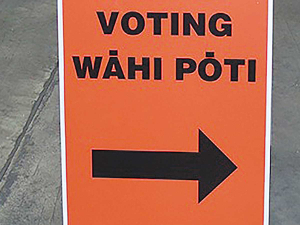
OPINION: As election day looms, rural NZ seems to have pressed the pause button – held somewhat in limbo on an orange light.
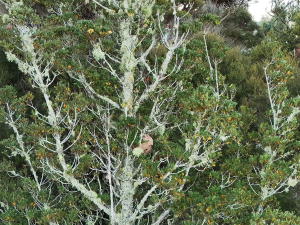
Will drones be the answer to tackling the problem of wasp and hornet nests high up in trees and other inaccessible places?
Canterbury milk processor Synlait has come through tough times and is now ready to scale up from a stable base, says its newly confirmed CEO Leon Fung.
NZPork says a ham made in New Zealand is not necessarily made from New Zealand pork.
Rural Contractors NZ says proposed changes to land transport rules for agricultural vehicles are a welcome response by the Government to out-of-date regulations which have seen members hit with huge fines.
With New Zealand’s greenhouse gas emissions in the spotlight, Auckland scientist Nathan Balasingham says there’s a better way to tackle the problem than shrinking cow numbers or fertiliser usage.

OPINION: It seems Canterbury processor Synlait is still in the doldrums.
OPINION: Get offside with New Zealand First leader Winston Peters at your own peril.