
FAR Eyes NZ Grain as Dairy Supplementary Feed
Dr Scott Champion, Foundation for Arable Research chief executive, says that everyone in the supply chain had a role to play in driving the sector's long-term success.




 increase font size
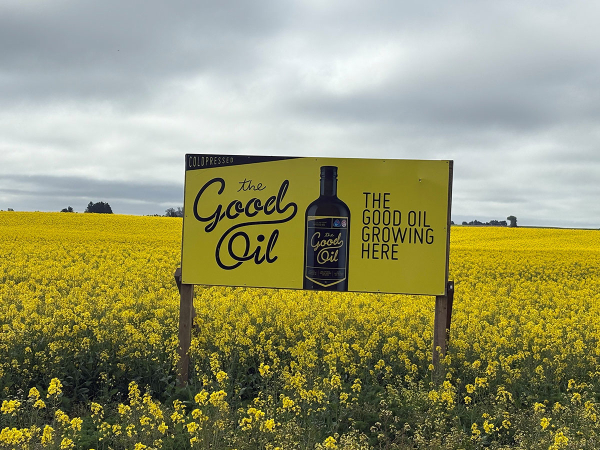
Some of New Zealand’s best-loved food brands have been quick to sign up for a new campaign which reinforces their home-grown status.
Harraways’ oats, The Good Oil edible oils and Otis oat milk are among the first to sign up to the New Zealand Grown Grains branding initiative, guaranteeing consumers that the grains and seeds in their food is New Zealand-grown. The new grain mark logo is expected to appear on these products’ packaging in coming months.
Other food producers are already using the logo which makes it easier for consumers to identify and seek out food and drink products made from domestically-grown grain and seed.
The arable industry hopes the logo will lift awareness, tapping into a strengthening desire by consumers for locally-sourced food as well as reduce reliance on imported grain.
Many consumers are unaware that three-quarters of the bread sold in New Zealand is made from imported grain, with 250,000 to 300,000 tonnes of milling wheat imported each year, mainly from Australia. While dairy and sheep and beef sectors are enjoying record prices, arable farmers are struggling to achieve profitable returns, compounded by a wet, difficult harvest in many regions, and hope the logo can revitalise their sector and expand production.
The certification trademark for products made with New Zealand-grown grains is the initiative of growers via their levy organisation, the Foundation for Arable Research (FAR).
FAR general manager of business operations Ivan Lawrie, a driving-force behind the logo’s development, says that about 25 companies have signed-up to date, including flour millers, bakers, pasta makers and animal feed suppliers, with a steady stream of new applications arriving. Together these use a wide range of crops including wheat, barley, oats, oilseeds and quinoa.
“To support local growers and the wider arable industry, we encourage consumers to seek out the logo,” Ivan Lawrie says.
“Many products already use New Zealand-grown grains, but until now have had no easy-to-recognise way of showing this. The logo clearly distinguishes these products in the marketplace.”
A New Zealand Grown Grains website nzgrowngrains.nz has just been launched which will showcase the companies including bakers Grizzly (Christchurch), Bellbird (Christchurch), Real Bread Kitchen (Christchurch), FlourBro (Invercargill), Wild Wheat (Auckland), Big Score (Nelson) and eckh (Timaru).
FAR, an independent, non-profit organisation, holds the non-royalty licence for the logo. Asure Quality is responsible for auditing companies, ensuring that the products are definitely New Zealand grown.
Any growth in New Zealand-grown grains versus imports is a win, not just for arable farmers and the arable sector, but also in terms of food security and sustainable land use, Ivan Lawrie says.
“Although the grain component may represent only a small share of a final product’s total cost, even a modest rise in demand can have significant long-term effects, encouraging investment by plant breeders, traders and processors and helping to maintain a diverse and resilient portfolio of cropping options for New Zealand growers.”
Dr Scott Champion, Foundation for Arable Research chief executive, says that everyone in the supply chain had a role to play in driving the sector's long-term success.

Flat pricing in the face of significant increases in costs is the greatest problem facing the arable sector, says Foundation for Arable Research (FAR) chief executive Dr Scott Champion.
Four years since it was first detected in New Zealand, researchers and growers now know much more about management of maize pest fall armyworm (FAW).
Two Canadian spraying experts, Tom Wolf and Jason Deveau, are visiting New Zealand in early August to ensure that arable growers are hitting the target with this key piece of equipment.
Tickets are now available for the 2026 Arable Awards, set to be held in Christchurch on 20th August.


Federated Farmers has welcomed new rural policies released by ACT, saying they align closely with its own election priorities.

Rural Contractors NZ says proposed changes to land transport rules for agricultural vehicles are a welcome response by the Government to out of date regulations which have seen members hit with huge fines.
Alliance is calling for final applications for its 2027 Graduate Programme, with applications closing on Sunday 25 October.
Decades piloting planes has ensured vet and farmer David Hayes is focused on safety. So, after a serious accident while welding on farm, he is sharing his experience so others can learn from it.
Canterbury milk processor, Synlait Milk has confirmed Leon Fung as its chief executive officer.
OPINION: Making it easier to collect rainwater and use it to grow crops and livestock is a no brainer.


OPINION: The same mainstream media muppets that brought you Jacindamania in 2017 have been flat out pimping for the Opportunities…
OPINION: Your old mate reckons the atrocious way farmers in the UK are treated by their lords and masters in…




