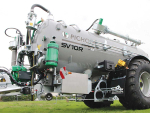
Pichon Adds SV10R and SV14 to SV Slurry Tanker Range
French manufacturer Pichon has expanded its SV slurry tanker range with the launch of two new models.




 increase font size
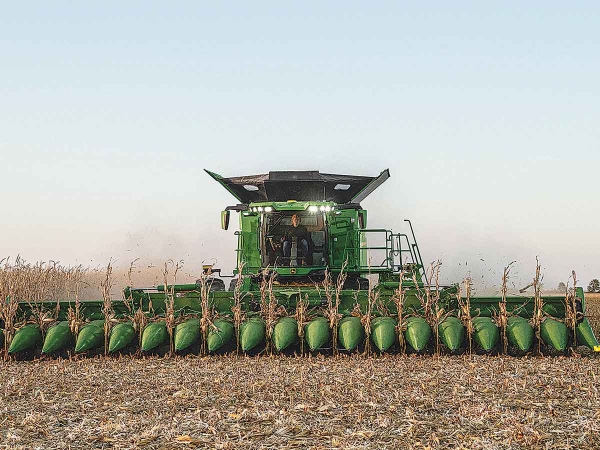 The workshops won the PINZ Technology Award.
A Foundation for Arable Research initiative which took a closer look at the efficiency of a key piece of machinery for arable farmers - their combine harvesters - has been recognised at the Primary Industry NZ Awards.
Instigated by FAR's technology manager Chris Smith, the combine workshops are saving growers valuable time and money during the critical harvest period as well as reducing potential yield and profit losses.
The combine workshops won the PINZ Technology Innovation Award.
While on the surface it might have appeared that arable farmers and their machinery dealers already knew everything about successfully running combine harvesters, FAR funded an independent team of experts from Australia and Canada to visit and take a fresh look.
For the last two seasons these experts have carried out grower workshops prior to harvest and then returned to visit individual growers on their farms during harvest to check how adjustments are performing in the field.
Ajdustments made to combines led to some instant harvesting gains and cost savings, including reduced crop losses, faster harvesting speeds, lower diesel consumption, reduced horsepower and better harvest samples, Smith says.
"One grower took 70 hours off his combining and another reduced fuel consumption by 30% as well as producing a clean sample.
"Another farmer increased his harvesting capacity in barley from 20 hectares to 30ha a day.
"Some farms were already doing well and it was confirmation for them that they are running their combines efficiently."
The combine specialists, led by Peter Broley of Primary Sales Australia, each concentrate on particular brands, with Kassie van der Westhuizen advising on John Deere, Brett Asphar on Case and Claas and Murray Skayman, from Canada, on New Holland and Case.
Each expert has 20-30 years of experience with the brand companies, dealerships and as independent consultants.
The workshops show the importance of growers measuring and monitoring potential grain and seed losses and fine-tuning settings to mitigate these.
French manufacturer Pichon has expanded its SV slurry tanker range with the launch of two new models.
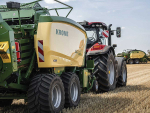
Recently revealed, Krone’s new Series Six, BiG Pack Plus and Pro balers are designed to use standardised components, interfaces, and control concepts, including pick-up, knotter systems and user interfaces.
Consuming around six years and more than 35,000 hours of physical and digital testing, the new sixth-generation Valtra T Series is being described as the most significant new release in the company’s history.
Strautmann has introduced a new Hay Edition auger for its Verti-Mix feed mixer wagons, aimed at operators using rations with larger proportions of hay or other long-fibre materials.
Dr Scott Champion, Foundation for Arable Research chief executive, says that everyone in the supply chain had a role to play in driving the sector's long-term success.


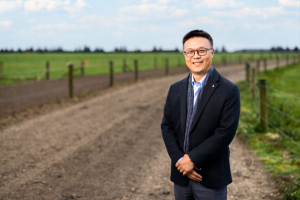
Canterbury milk processor, Synlait Milk has confirmed Leon Fung as its chief executive officer.

OPINION: Making it easier to collect rainwater and use it to grow crops and livestock is a no brainer.
As part of its Election 2026 coverage, Rural News asked political parties how they would help pull the arable sector out of the doldrums. Here's what they said:
Farmers are being encouraged to rethink how they manage waste on farm with the launch of ruralwastesorted.co.nz, a new website bringing together practical tips, real farmer experiences and resources.
New Zealand Winegrowers (NZW) is celebrating the India-New Zealand Free Trade Agreement (FTA) coming into force today, bringing New Zealand wine improved access to one of the world’s fastest-growing economies.
New Zealand’s red meat sector has welcomed the India-New Zealand Free Trade Agreement taking effect, which removes India’s 33% tariff on New Zealand sheepmeat.




OPINION: The same mainstream media muppets that brought you Jacindamania in 2017 have been flat out pimping for the Opportunities…
OPINION: Your old mate reckons the atrocious way farmers in the UK are treated by their lords and masters in…




