
Pouarua Water Storage Scheme Gets Government Backing
The Government is backing work on a community-led water storage scheme that could irrigate up to 11,000 more hectares of the Poverty Bay flats, Agriculture Minister Todd McClay says.




 increase font size
 Agriculture and Trade Minister Todd McClay.
New Zealand’s food and fibre sector is on track to deliver record export earnings, with export revenue forecast to reach $64.3 billion in the year ending 30 June 2026.
Announcing the latest outlook at Fieldays, Agriculture and Trade Minister Todd McClay says the figures demonstrate the strength and resilience of New Zealand’s primary industries, with strong global demand continuing to drive returns across multiple sectors.
The latest Situation and Outlook for Primary Industries (SOPI) report forecasts a 6% increase in export revenue compared with the previous year, supported by strong performances in dairy, red meat, horticulture and processed food exports.
Several primary industry sectors are expected to achieve record export revenues during the 2025–26 financial year.
Key forecasts include:
The strong performance reflects healthy international demand for New Zealand’s premium food and fibre products, alongside favourable production conditions across several sectors.
“Kiwi farmers are expected to benefit from strong farmgate returns this year due to high milk prices, record milk production and tight global red meat supplies, which will cushion against shipping and supply chain disruptions from the Middle East conflict," says McClay.
“Export revenue is forecast to reach $64.3 billion in the year to 30 June 2026, up six per cent, with records across multiple sectors driven by healthy demand for dairy and red meat, alongside bumper kiwifruit and apple crops."
“Food and fibre exports are expected to lift even further to a record $70.1 billion in the year to 30 June 2030, thanks to our hardworking Kiwi farmers, growers, foresters, fishers and processors.”
McClay says the Government continues to back the food and fibre sector’s success.
“We are focused on supporting our farmers and growers because when the primary sector does well, it means more jobs, higher wages, and more money flowing through to communities.”
This National-led Government will continue to back the sector – including increasing trade opportunities like in India, reducing barriers to trade, and partnering with industry to help meet rising global demand by driving a step change in food and fibre production through greater land use flexibility.
“We are focused on fixing the basics and building the future through sensible reforms across freshwater, resource management and agricultural emissions.
“The Government is laser-focused on delivering more returns to Kiwi food and fibre producers and rural communities, growing the economy, and delivering prosperity for all New Zealanders – fixing the basics and building the future.”
The Government is backing work on a community-led water storage scheme that could irrigate up to 11,000 more hectares of the Poverty Bay flats, Agriculture Minister Todd McClay says.

A Labour-led Government won’t be bringing back the controversial freshwater rules of 2020.
It was billed as a chance for all the political parties to woo the rural vote, but question marks hang over just how effective this was.
There's been widespread support from the primary sector for the Government's announcement on changes to freshwater farm plans that come under the Natural Environment Bill, which is now set to replace the existing RMA.
The country's second largest milk processor is warning against 'complacency' during a review of competition regulations in the dairy sector.


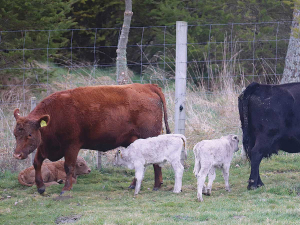
A major move is about to get underway to improve the quality and viability of dairy beef and cattle in NZ.
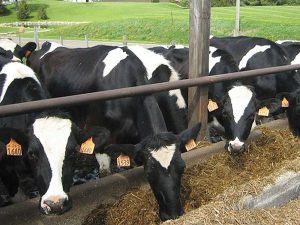
Veterinarians say changes to the code of welfare for dairy cattle provides a positive foundation for improved cattle welfare across the country.
Today, 15 October, is the International Day of Rural Women, which recognises rural women’s contribution to farming, communities and the environment.
Global dairy giant Lactalis has integrated its Australian operations with the Mainland Dairy consumer business it acquired from Fonterra earlier this year.
After almost two decades of sharemilking, saving and building equity, Aaron and Marcia Flay this year realised their long-held dream of settling on their first dairy farm.
Good medium to long term prospects for NZ beef, especially in the US, has heighted the focus on various initiatives to capitalise on this situation.




OPINION: The same mainstream media muppets that brought you Jacindamania in 2017 have been flat out pimping for the Opportunities…
OPINION: Your old mate reckons the atrocious way farmers in the UK are treated by their lords and masters in…




