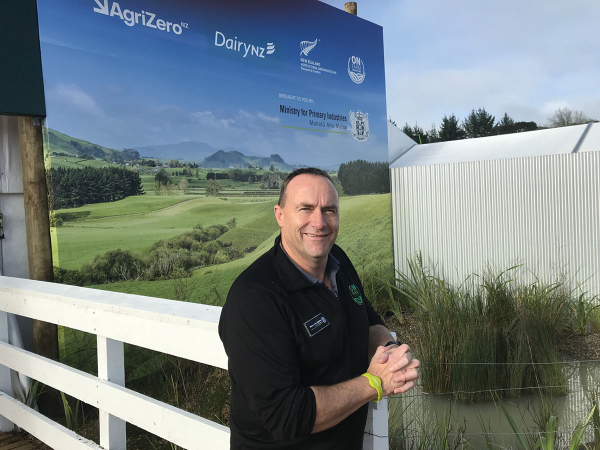
The Government's chief science advisor, Dr John Roche says the key objective for the science sector in the coming year is bedding down the reforms which sees the merger of the previous entities.
He told Rural News that another important priority is a need for more active science work to be done to deal with emergencies such as those that have occurred recently and during Cyclone Gabrielle.
Roche says these events have caused major damage and loss of life.
"The question is how can the science system be best prepared for such events by identifying risks and being able to give the best advice to people who have to make decisions in such a crisis," he says.
Roche says another challenge for all scientists nowadays is communicating science in a meaningful and relevant way while retaining the key science message. He says scientists can't just talk to people about complex things by speaking jargon and expect them to pick it up as if they have a background in it as well.
"It's a case of taking the time to explain the whys and, most importantly, why do we need to change, and explaining the consequences of not changing. This takes time, which is a precious commodity, but we have to make that time," he says.
Roche says in his experience just countering a person's position and saying they are wrong will only entrench their view. Rather he says one must try to understand their view and engage with them.
Read More:
"Arguing to prove something is wrong is not the way to get people to change their mind or behaviour. You have really got to engage with them on what their belief is and have that conversation and that is a journey for any person. Change isn't easy for anyone," he says.
Roche says he was once challenged by a person who didn't believe that NZ needed to reduce greenhouse gas emission when other countries were the main culprits in this area.
Roche says by talking through the issue with the individual and explaining that small GHG emitters collectively produce 35% of the world's GHG emissions he could better see the need for NZ to reduce its emissions.