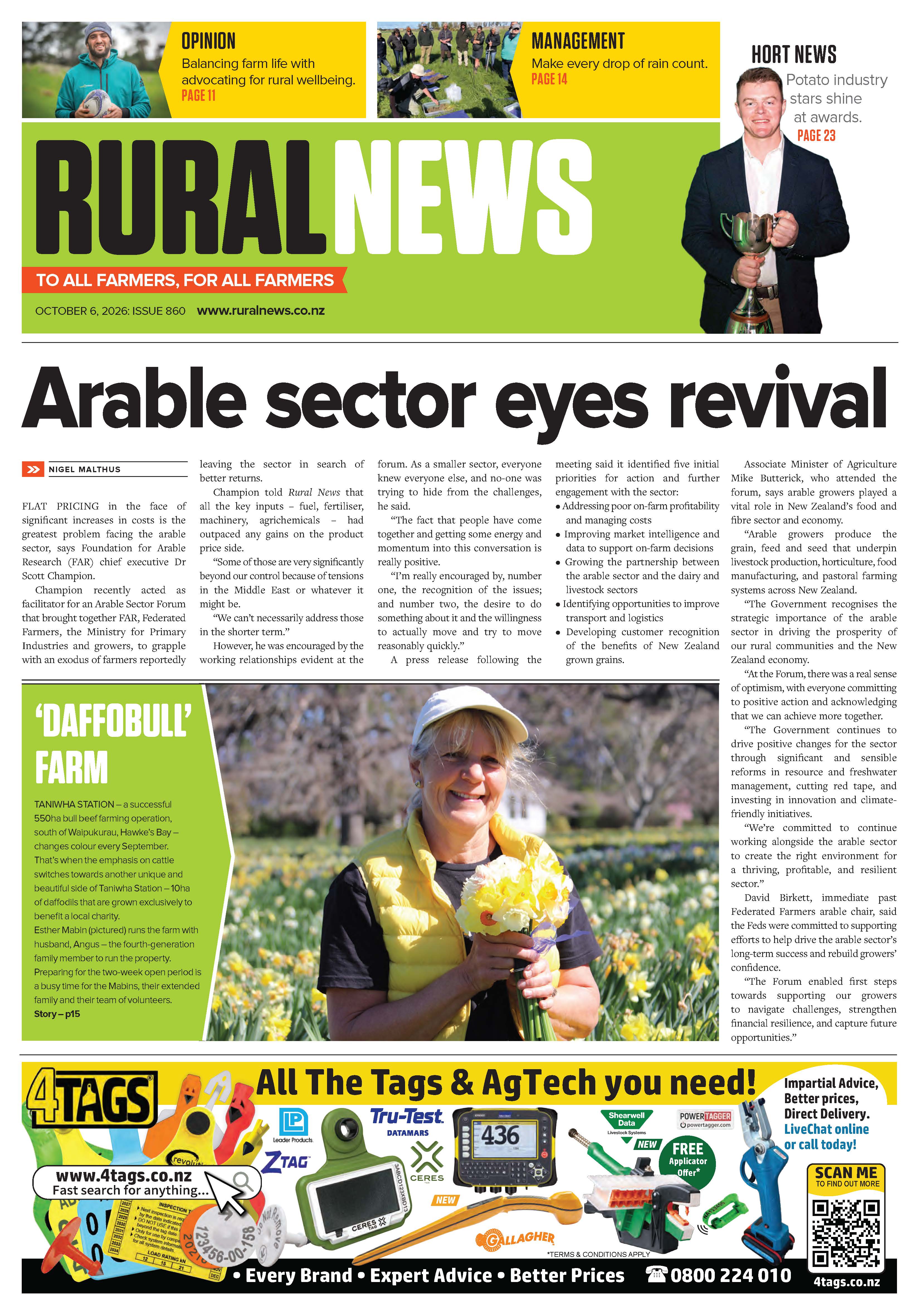
Catch the Rain: B+LNZ Trials Boost Soil Infiltration
Beef + Lamb NZ funded research has shown that some simple changes to pasture management could help farmers make better use of rainfall and build resilience before dry conditions hit.




 increase font size
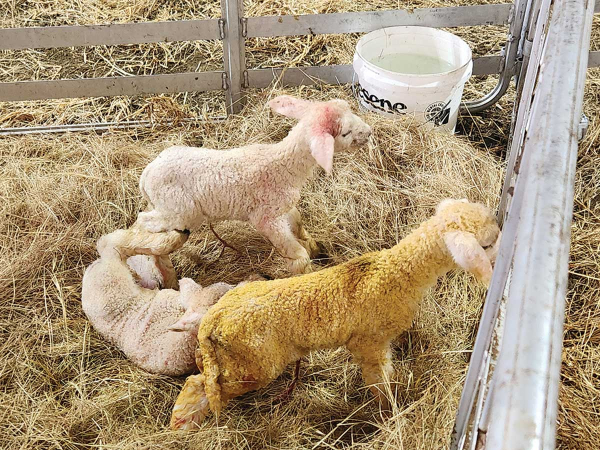 Farmers must put together a well-equipped lambing kit to help minimise lamb losses, particularly in bad weather.
With lambing underway in many regions, Beef + Lamb New Zealand is encouraging farmers to put together a wellequipped lambing kit to help minimise lamb losses, particularly in bad weather.
Will Halliday, Beef + Lamb New Zealand’s senior manager for technical policy, says a waterproof backpack or container containing lamb covers, iodine spray, bearing equipment, dextrose solution and syringe, gloves, veterinary lubricant, a towel and a thermos of warm water will help give lambs the best possible chance of survival.
He says a 20% dextrose mix can be used as a last resort to revive weak or hypothermic lambs during a cold snap.
Injecting the warmed (where possible) dextrose straight into the lamb’s abdomen will give it the energy boost it needs to survive.
“It is important that this is done before warming the lamb up. If you warm the lamb up before administrating the dextrose, it can hasten its death.”
He says the ideal candidates for this treatment are lambs that are four or five hours old that have not fed off their mothers. Newborn lambs will typically respond to just being warmed up without the injection, although a dextrose injection won’t hurt them.
Halliday says farmers can buy the 20% dextrose solution off their vet. While 20% dextrose is not available to purchase, vets should be able to supply 40% dextrose already diluted with sterile water or saline solution.
He stresses that dextrose is not the same as table sugar and the latter should never be used as a replacement for dextrose.
To inject a lamb, a 5ml or 10ml vaccinating gun should be connected to the draw-off tube or the dextrose extracted using a 60ml syringe. A 10mm 18G vaccinating needle is ideal for this purpose- it must not be longer than 12.5mm.
The dosage is 10ml of dextrose per kilogram of bodyweight. Most lambs in need of this treatment will weigh less than 4kg, so 40ml is suitable dose, says Halliday.
After preparing the injection site with iodine, the needle is inserted just above the navel and pushed in at a slight angle towards the chest. There should be a slight popping sensation as the needle pierces the abdominal wall.
The solution is then gently injected into the abdomen. Any swelling underneath the skin will indicate that the needle is not in far enough.
Another option is to inject dextrose saline (which is not the same as 20% dextrose) under the skin. This requires a much higher dose – 30ml/kg or 120ml for a 4kg lamb – and this is injected under the skin around the ribs on both sides of lamb and the area rubbed.
After the lamb has received the dextrose, it can then be warmed up and put back with the ewe, ideally with a lamb cover. It will need to be closely monitored to ensure the ewe has accepted and fed it.
Lambs born during a heavy cold snap can exhaust their energy stores just trying to keep warm.
Too weak to feed off their mother, they will starve and die. Injecting a 20% mix of dextrose directly into the lamb’s abdomen can give them the energy boost they need to survive. This technique is known as an intraperitoneal injection.
It can be done by the farmer, on the spot, and gives good results.
Inject lambs with dextrose who are too cold or weak to feed off their mother. You must do this before you warm the lamb.
If you warm the lamb before you ‘fuel’ it, you will hasten its death. Give the injection when the lamb is over four or five hours old. Lambs younger than this should still have enough energy stores to recover when warmed.
It is not a disadvantage to inject very new lambs. It is just that warming them should be enough.' Articles - Beef + Lamb NZ
Beef + Lamb NZ funded research has shown that some simple changes to pasture management could help farmers make better use of rainfall and build resilience before dry conditions hit.
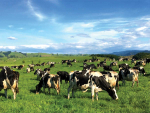
The first major update to the Dairy Cattle Code of Welfare in more than a decade has been released, marking what DairyNZ describes as an important step in ensuring animal welfare standards continue to evolve alongside scientific evidence and on-farm realities.
Beef + Lamb New Zealand (B+LNZ) says it welcomes the passage of the Natural Environment Bill and Planning Bill, calling the bills a positive step for sheep and beef farmers.
If you're thinking about investing in ways to push feed forward, this is the year to do it.
Bovine Viral Diarrhoea (BVD) is sometimes viewed as a dairy industry issue, but the reality is that the disease can have serious consequences for beef breeding herds as well.

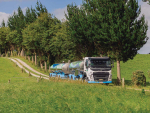

Safer Farms is urging farmers to make sure everyone working on farm has safe, suitable footwear for the job.

The Government is backing work on a community-led water storage scheme that could irrigate up to 11,000 more hectares of the Poverty Bay flats, Agriculture Minister Todd McClay says.
Agri-tech company Herd-i has become a new all-region sponsor of the New Zealand Dairy Industry Awards (NZDIA), the largest nationwide celebration of excellence in the dairy sector.
Four candidates have been confirmed for two director positions on Fonterra’s board.
Returning to the family dairy farm after playing 20 years of professional rugby around the world is no easy task.
After delivering another record farmgate milk price to 100 supplying farms, independent milk processor Tatua is entering thee new financial year with a positive outlook.


OPINION: The same mainstream media muppets that brought you Jacindamania in 2017 have been flat out pimping for the Opportunities…
OPINION: Your old mate reckons the atrocious way farmers in the UK are treated by their lords and masters in…