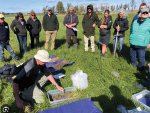
Catch the Rain: B+LNZ Trials Boost Soil Infiltration
Beef + Lamb NZ funded research has shown that some simple changes to pasture management could help farmers make better use of rainfall and build resilience before dry conditions hit.




 increase font size
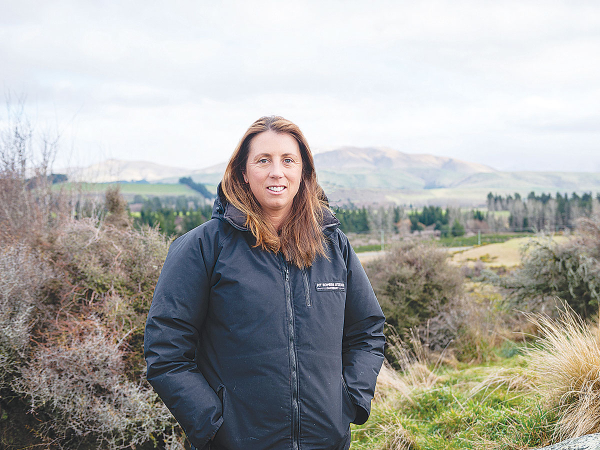 Kate Acland
Beef + Lamb New Zealand (B+LNZ) says it welcomes the passage of the Natural Environment Bill and Planning Bill, calling the bills a positive step for sheep and beef farmers.
However, they caution that the real test will lie in detailed rules that are yet to be written.
Kate Acland, B+LNZ chair, says the current Resource Management Act has become too complex and expensive for farmers, communities and councils to navigate.
The new legislation, she says, creates a room for a simpler, faster and more practical approach to decision-making.
"This replacement legislation is an improvement and creates an opportunity for simpler, faster and more practical decision-making," Acland says.
B+LNZ was directly involved in the Government's reform process, pushing for a workable alternative to the RMA throughout.
One change singled out as a win for the sector is the stronger recognition given to food and fibre production within the new framework — a shift Acland describes as a positive change for sheep and beef farmers specifically.
Passing the two Bills is only the first stage of reform. According to B+LNZ, the practical, on-farm impact will hinge on a raft of secondary instruments yet to be developed: national direction, National Standards, regulations and regional plans.
That work won't begin until after the general election, and it's this next phase that will determine:
B+LNZ says it will keep engaging with the Government and officials as these secondary instruments are developed, to help shape how the new system actually functions in practice.
Despite the broadly positive response, B+LNZ has flagged ongoing concern about how Freshwater Farm Plans will be implemented for low-risk properties.
Acland points out that most extensive sheep and beef farms fall into the low-risk category, and argues the rules need to reflect that reality through proportionate requirements — rather than imposing costs or compliance work that doesn't match the actual environmental risk.
"Farmers need a system that rewards practical environmental improvements, rather than creating unnecessary duplication, cost or compliance burdens," she says.
B+LNZ has set out a clear benchmark for judging the reform's success. For sheep and beef farmers, that means:
Beef + Lamb NZ funded research has shown that some simple changes to pasture management could help farmers make better use of rainfall and build resilience before dry conditions hit.

Ravensdown shareholders have elected Jane Montgomery and Kate Acland to the Ravensdown Board for three-year terms, following a closely contested director election.
Federated Farmers says new legislation replacing the Resource Management Act will cut red tape, unlock investment and help grow New Zealand's export-led economy, after the Planning Bill and Natural Environment Bill passed their third reading in Parliament yesterday.
If you're thinking about investing in ways to push feed forward, this is the year to do it.
Farmgate lamb prices are down by 8%, beef cattle by 4.5% and farm expenditure up by 4.2%.


Safer Farms is urging farmers to make sure everyone working on farm has safe, suitable footwear for the job.
The Government is backing work on a community-led water storage scheme that could irrigate up to 11,000 more hectares of the Poverty Bay flats, Agriculture Minister Todd McClay says.
Agri-tech company Herd-i has become a new all-region sponsor of the New Zealand Dairy Industry Awards (NZDIA), the largest nationwide celebration of excellence in the dairy sector.
Four candidates have been confirmed for two director positions on Fonterra’s board.
Returning to the family dairy farm after playing 20 years of professional rugby around the world is no easy task.
After delivering another record farmgate milk price to 100 supplying farms, independent milk processor Tatua is entering thee new financial year with a positive outlook.



OPINION: The same mainstream media muppets that brought you Jacindamania in 2017 have been flat out pimping for the Opportunities…
OPINION: Your old mate reckons the atrocious way farmers in the UK are treated by their lords and masters in…




