Mary Bowron Named Best Sheep and Beef Vet of the Year
B+LNZ's Wormwise veterinarian Mary Bowron has won the Best Sheep and Beef Vet of the Year Award in recognition of her outstanding contribution to New Zealand’s sheep and beef sector.




 increase font size
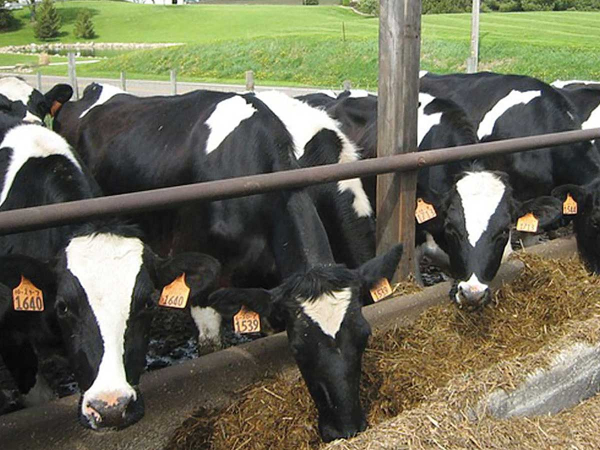 Veterinarians are backing changes to the code of welfare for dairy cattle.
Veterinarians say changes to the code of welfare for dairy cattle provides a positive foundation for improved cattle welfare across the country.
New Zealand Veterinary Association (NZVA) Dairy Cattle Veterinary Branch co-president Kyle Kannan says they are pleased to see stronger protections in key areas, including calf nutrition and behaviour and greater recognition of cattle's need to rest and move comfortably.
"We also strongly support prohibiting electro-immobilisation devices and moving that into legislation. The clearer safeguards for new technologies and the requirement for alternative management when cattle do not adapt, are also welcome."
Last month, Associate Agriculture Minister Nicola Grigg announced changes, saying that they add to already high levels of animal welfare in the dairy sector, our largest export earner.
"New Zealand has a strong international reputation for animal welfare, and it's vital we maintain the confidence of New Zealanders and our overseas markets."
Key changes to the code include a new minimum standard requiring calves to be fed at least twice-a-day for their first two weeks of life and increasing the minimum standard for body condition score from 3 to 3.5 out of 10 for milking cows.
As well as strengthening protections, Kannan says the National Animal Welfare Advisory Committee had responded to some of the association's concerns around the practicalities of some provisions.
"Good welfare standards must be practical, measurable and applicable across New Zealand's diverse dairy farming systems," he says.
"So it's great to see a shift in some proposed prescriptive measures, including making body-condition requirements more workable for farmers, stepping back from rigid regulatory measures for winter grazing and calving environments and adopting welfare outcome focused standards for housing and off-paddock facilities.
"Likewise, we're pleased to see some more outcomes-focused compliance measures being adopted rather than a one-size-fits-all single measure of method."
Grigg notes that New Zealand is one of the few countries in the world that stipulates a minimum body condition score in legislation.
"The industry has indicated that increasing the body condition score is good practice, and these changes are also in line with consumer expectations around animal welfare," Grigg says.
DairyNZ says the first major update to the dairy cattle code of welfare in more than a decade marks an important step in ensuring animal welfare standards continue to evolve alongside scientific evidence and on-farm realities.
DairyNZ science partnerships and impact advisor Jenny Jago says DairyNZ's focus throughout the review has been on recognising farmers' commitment to animal welfare and supporting good practice on farm.
"DairyNZ has always advocated for strong animal welfare standards as these are critical to New Zealand's reputation as a supplier of premium, sustainable and ethically produced milk," she says.
"Farmers take great pride in caring for their livestock, and our focus now is supporting them with clear information and practical tools to put the new requirements into practice."
Most farmers are already operating in line with the updated Code; however, it will signal change to on-farm practices for some farmers, including changes in rearing of calves in their first two weeks.
DairyNZ says it will work alongside MPI, sector partners and rural professionals to provide guidance, resources and time for farmers to adopt any changes on farm, ahead of the updated code taking effect on 19 April 2027.
B+LNZ's Wormwise veterinarian Mary Bowron has won the Best Sheep and Beef Vet of the Year Award in recognition of her outstanding contribution to New Zealand’s sheep and beef sector.

Taranaki veterinarian Dr Rob Mills is the new president of New Zealand Veterinary Association (NZVA).
The New Zealand Veterinary Association (NZVA) has launched a new summer checklist for animal owners this year.
World Veterinary Day falls on Saturday 27 April.
The New Zealand Veterinary Association Te Pae Kīrehe (NZVA) is calling on animal owners to work with their veterinarian to keep animals healthy and help prevent drug-resistant infections from developing.


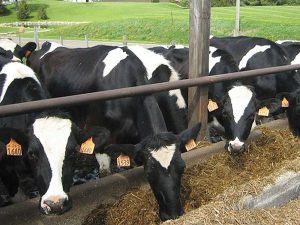
Veterinarians say changes to the code of welfare for dairy cattle provides a positive foundation for improved cattle welfare across the country.
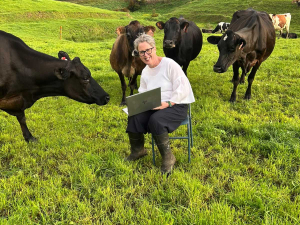
Today, 15 October, is the International Day of Rural Women, which recognises rural women’s contribution to farming, communities and the environment.
Global dairy giant Lactalis has integrated its Australian operations with the Mainland Dairy consumer business it acquired from Fonterra earlier this year.
After almost two decades of sharemilking, saving and building equity, Aaron and Marcia Flay this year realised their long-held dream of settling on their first dairy farm.
Good medium to long term prospects for NZ beef, especially in the US, has heighted the focus on various initiatives to capitalise on this situation.
High country stations, mixed sheep and beef farms, Māori-owned farms, corporates and family operations are among the nine commercial farms taking part in the Livestock Innovation Farming Transformation programme, known as LIFT.



OPINION: It seems Canterbury processor Synlait is still in the doldrums.
OPINION: Get offside with New Zealand First leader Winston Peters at your own peril.