
HortNZ Independent Director Murray Denyer Steps Down After Six Years
Horticulture New Zealand (HortNZ) independent director Murray Denyer is stepping down from the board after six years.



 increase font size
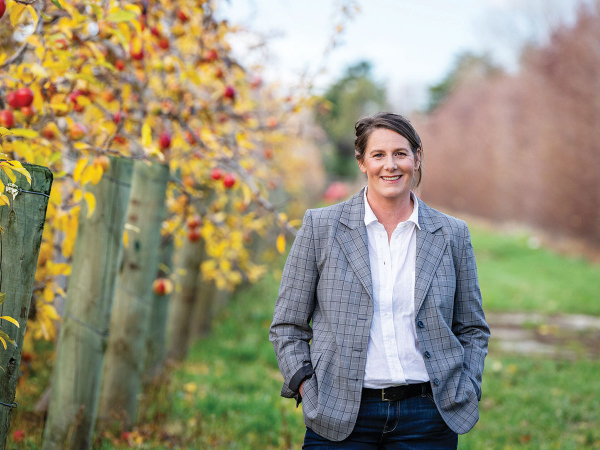 Kate Scott, HortNZ chief executive.
The National Party’s policies to make it easier to grow fresh vegetables, secure reliable water and energy and simplify farm planning are practical changes that will give growers the confidence to invest, according to Horticulture New Zealand (HortNZ).
HortNZ chief executive Kate Scott says the changes would help secure New Zealand’s food production future and grow export value.
She says growers need practical, durable settings that have broad political support and give the certainty needed for long-term investment.
“Horticulture is already a major export earner,” Scott says.
The latest Situation and Outlook for Primary Industries forecasts horticulture export revenue of $9.2 billion for the year to 30 June 2026.
Through the Aotearoa Horticulture Action Plan, the sector’s shared growth framework, industry, government, Māori and science partners have set an ambition to double farmgate revenue by 2035.
Scott says meeting that ambition requires investment in productive land, water, energy, people and infrastructure.
“Growers will invest when policy settings are stable, nationally consistent and reduce unnecessary regulatory cost and duplication.”
Scott says national standards for vegetable growing, on-farm water storage and irrigation, solar and energy storage, seasonal-worker accommodation and farm plans would address material barriers to investment and production. She says the measures align with HortNZ’s priorities of sustainable and enduring water security, less red tape and duplication, and investment in critical infrastructure.
“Nationally consistent standards must lower avoidable cost and uncertainty while maintaining clear safeguards and strong environmental outcomes,” Scott says. “They must be developed with growers and coordinated across central and local government.”
HortNZ also welcomes stronger biosecurity at the border and wants the Hazardous Substances and New Organisms (HSNO) Amendment Bill passed.
“Strong border protections are essential to safeguarding growers, productive land and market access from costly pest and disease incursions,” Scott says.
She also describes reform of the Plant Variety Rights Act 2022 as positive for horticulture.
“A modern intellectual property framework will support plant breeding and help drive innovation, investment and long-term productivity across the sector.”
HortNZ is asking all political parties to support enduring policy settings that protect productive land, secure reliable water, enable critical infrastructure and support investment in healthy food for domestic and export markets.
“This opportunity is bigger than any single policy, party or parliamentary term,” Scott says. “An enduring framework for food production, environmental performance and regional prosperity will help New Zealand realise horticulture’s full economic potential.”
Horticulture New Zealand (HortNZ) independent director Murray Denyer is stepping down from the board after six years.
New Zealand's citrus growers have been told to compete on the value built into their fruit rather than the volume they grow.
James Blair, an agronomist for AS Wilcox and the Pukekohe regional champion, has won the 2026 Young Grower national title.
Blueberries have the potential to become a major horticultural export, earning up to $150 million within the next three to five years.
New Zealand needs to make sure that it continues to focus on its own food security, according to HortNZ board member and blueberry grower Dermott Malley.
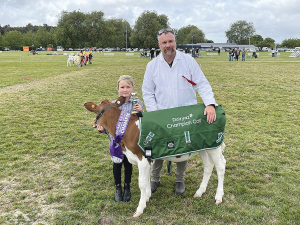
For eight-year-old Myra Smith, weeks of caring for and preparing her Red Holstein Friesian calf, Bell, have paid off, with the young Te Pahu handler taking home the Champion Dairy Type title at the recent Waikato A&P Show held at Claudelands.

A titan of the meat industry but a humble and generous guy.
In line with New Zealand’s strategy to open up new markets, the Ministry for Primary Industries (MPI) his extending its diplomatic footprint.
Demand for dairy products over the next two decades will increasingly be shaped by demographic shifts, rather than population growth alone.
The global dairy industry is fighting back against alternative proteins masquerading as dairy products.
Fonterra farmers are happy to see the board tackle the issue of shares from former milk suppliers.



OPINION: The same mainstream media muppets that brought you Jacindamania in 2017 have been flat out pimping for the Opportunities…
OPINION: Your old mate reckons the atrocious way farmers in the UK are treated by their lords and masters in…