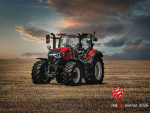
Case IH Unveils Next Generation Puma Series Tractors
Case IH has unveiled its redesigned next generation Puma Series tractors, said to offer improvements in connectivity, operator comfort, fuel efficiency and drivability.




 increase font size
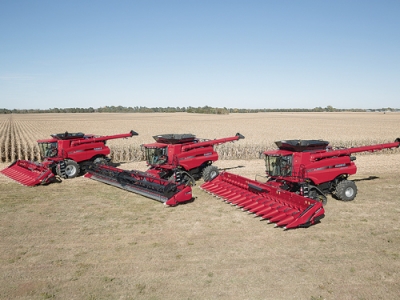 Case IH started the trend towards rotor separation with the Axial Flow combine harvesters as far back as 1977...
Case IH started the trend towards rotor separation with the Axial Flow combine harvesters as far back as 1977...
And over the years they have developed a machine of high output, low maintenance and easy operation.
Updates to the 240 series for the coming season will see improvements aimed at performance, productivity and profitability.
The three model range comprises the 7240, 8240 and 9240 delivering 498, 571 and 634hp respectively via FPT engines that do not require AD-Blue or any EGR to meet emission requirements in New Zealand.
The power increase over the previous season should see longer, more productive days and is further supported by larger fuel tanks.
Up in the cabin the operator has a new multi-function control lever which takes care of header, rotor, cleaning and residue functions and the drivetrain. Grain tanks are bigger (14,400L) on the largest machines and modifications to the clean grain auger promote even filling and durability.
Getting the clean grain away from the harvester into trucks or trailers is by a 10.4m folding auger with a pivoting unloading spout for accurate load placement.
And at the rear of the machine, redesign of the straw chopper sees a reduction to 24 blades from the previous 28, which is said to give better chop quality.
Case IH has unveiled its redesigned next generation Puma Series tractors, said to offer improvements in connectivity, operator comfort, fuel efficiency and drivability.
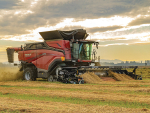
While it took some time for Wakanui farmer Eric Watson to get the tracks dirty on his new Case IH AF10 combine, he says it was worth the wait, with the challenging conditions really putting the new machine through its paces.
While equipment sales teams bask in the glory when they sell a product, they often forget the designers and engineers who bring that product from an idea to production.
The Case IH Farmall C, well known across New Zealand, has just seen an upgrade including a new look, increased weight and hydraulic power, and a cab overhaul.
Case IH has released details of its all-new round balers and redesigns to its large square balers aimed at increasing productivity.


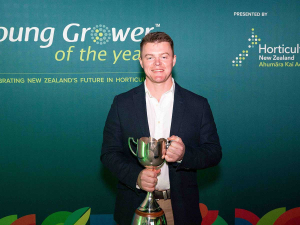
The potato industry is celebrating the success of two rising stars - James Blair, the 2026 Young Grower of the Year and runner-up and innovation award winner, Amber Davy.
Twenty-eight emerging leaders from across the horticulture sector spent two days last month learning valuable skills and connecting with industry experts.
There are five entrants in this year’s Young Horticulturist of the Year, competing in a series of technical, practical, business and leadership challenges.
A seasoned horticulturist has been appointed to deliver the Apple Action Plan, a key initiative of the India-New Zealand Free Trade Agreement.
New Zealand's citrus growers have been told to compete on the value built into their fruit rather than the volume they grow.
Hawke's Bay fruit growers are being reminded of the need to prepare for whatever the El Niño weather system may bring in the coming months.
OPINION: It seems Canterbury processor Synlait is still in the doldrums.
OPINION: Get offside with New Zealand First leader Winston Peters at your own peril.




