Fonterra Elections 2026: Voting Opens Tuesday 20 October
Fonterra shareholders can begin voting on Tuesday 20 October in the 2026 Board of Directors’ election, a Co-operative Council election in one Ward, and seven Annual Meeting resolutions.




 increase font size
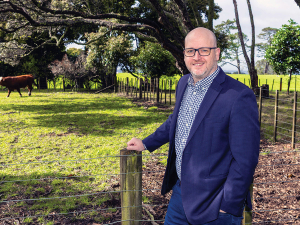
 Fonterra Shareholders Council chairman James Barron.
New Fonterra shareholders council chairman James Barron says farmers are facing a raft of challenges.
But this isn’t the first time farmers have been under the pump, he says.
“We always have been able to overcome these challenges: this time is no different,” he told Dairy News.
He says the challenges provide “a massive opportunity” for Fonterra farmer shareholders to work together and get through them.
Changes to the Dairy Industry Restructuring Act (DIRA) concern a lot of Fonterra farmers: most remain unhappy about having to supply milk to competitors at a subsidised price.
Farmers are also facing new regulations on freshwater and carbon emissions. Barron says consumer expectations and preferences are also changing, faster than ever before. And rural banking is also changing.
On Fonterra’s performance, he admits that its financial performance has been unsatisfactory.
But the co-op is doing many good things.
“Fonterra is providing me with a farm environment plan, it picks up milk every day and makes timely payment for it. It also supports me through the Farm Source model.
“And to top it all off, it maximises the price paid for my milk.”
On the council’s performance, Barron says all the recommendations of a governance and representation review in 2016 are in place.
The council has also changed the way it does things. For example, it now has communications designed for younger farmers and future shareholders.
And as shareholders have requested, the council now has more focus on its roles and functions outlined in Fonterra’s Constitution. Face-to-face engagements with shareholders have increased in the last 12 months and its annual conference is now open to more shareholders.
Barron says the council has also reviewed the way it collects and collates farmers’ views.
“So, we are continually looking to improve the way we do things. There’s no perfect state. As long as we all try to improve I think that’s the right space to be in.”
Fonterra shareholders can begin voting on Tuesday 20 October in the 2026 Board of Directors’ election, a Co-operative Council election in one Ward, and seven Annual Meeting resolutions.

Fonterra Co-operative Group chief financial officer Andrew Murray has resigned to take up a role outside the dairy giant.
Four candidates have been confirmed for two director positions on Fonterra’s board.
A record farmgate milk price and strong global demand is laying the foundation for continued growth of organic dairy farming in New Zealand.
Waikato milk processor Tatua has again declared a record milk payout to farmer shareholders, leaving other processors in the dust.


A dairy industry leader believes eradicating the common and costly disease, Bovine Viral Diarrhoea (BVD) is within reach.
A farmgate milk price of $10/kgMS this season is firming up as milk powder prices soar and the New Zealand dollar weakens.
Federated Farmers has welcomed new rural policies released by ACT, saying they align closely with its own election priorities.
Rural Contractors NZ says proposed changes to land transport rules for agricultural vehicles are a welcome response by the Government to out of date regulations which have seen members hit with huge fines.
Alliance is calling for final applications for its 2027 Graduate Programme, with applications closing on Sunday 25 October.
Decades piloting planes has ensured vet and farmer David Hayes is focused on safety. So, after a serious accident while welding on farm, he is sharing his experience so others can learn from it.

OPINION: It seems Canterbury processor Synlait is still in the doldrums.
OPINION: Get offside with New Zealand First leader Winston Peters at your own peril.




