Herd improvement co-operative LIC is combining its DNA parentage testing and genomic evaluation services into one convenient service to help farmers identify their highest genetic merit animals.
Available to farmers from June this year, GeneMark Genomics will replace the co-op's existing DNA parentage testing and genomic evaluation services.
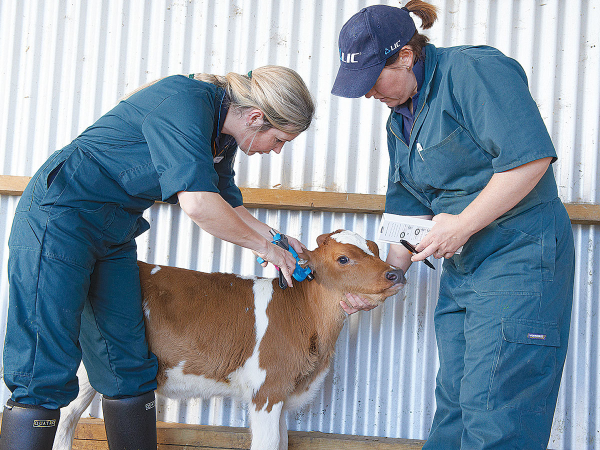
Every eligible sample for female animals sent to LIC's GeneMark lab will receive parent verification and a confirmed genomic evaluation (GEv).
LIC chief executive David Chin says the new service will offer significant value to dairy farmers and the wider sector, marking an exciting milestone in the co-op's genomic journey.
"GeneMark Genomics will allow farmers to take the guesswork out of matching calves to their parents, while also confidently selecting the highest genetic merit animals to join their milking herd.
"Rather than relying on parent average alone, genomic evaluation gives a more reliable indication of an animal's performance based on which genes it has received from its parents. Combining this service with DNA parentage into one solution is a win-win for farmers."
Chin says this new solution is very cost-effective and is backed by the co-op's strong investment in genomics to provide farmers with reliable genomic evaluations.
"Over the last 30 years we have invested more than $80 million into genomics to support the profitability and efficiency of the New Zealand dairy sector well into the future.
"We're excited to be offering yet another tool for farmers to improve their herds and breed better cows faster," says Chin.
The Benefits
- Make informed breeding decisions by identifying superior genetics in your herd at a younger age.
- Get improved reliability of your animals' breeding values with a complete assessment of their genomic profile.
- Reduce stress at calving time and prevent the mismothering of calves.
- Increase the market value of your herd through having accurate genetic merit information.
- Reduce the risk of inbreeding.