Pāmu Braces for $30m Hit From Rising Farm Costs
State farmer Pāmu is bracing for a $30 million hit from soaring farm input costs this financial year.




 increase font size
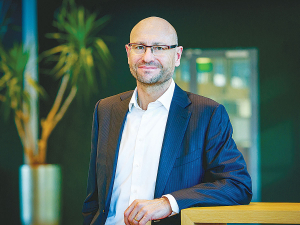
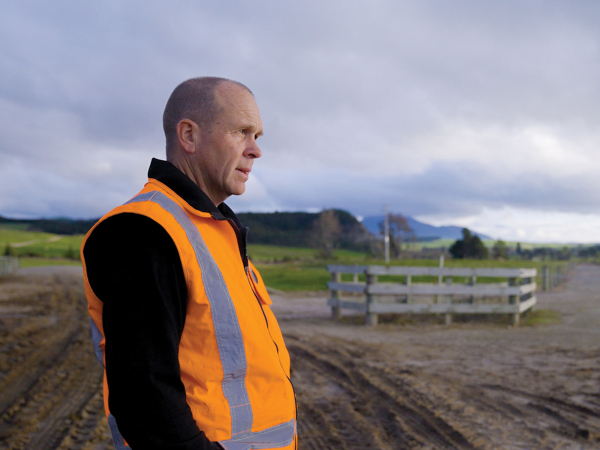 Pamu chief executive Mark Leslie.
OPINION: Nearly half of New Zealand's four million dairy calves are processed early, representing not just a missed $1.2 billion opportunity, but a reputational risk for our export-driven agricultural sector.
As highlighted in Rabobank's recent report, The Strategic Moment for Dairy-beef in New Zealand, unlocking the value of surplus dairy calves presents a strategic opportunity to reshape farming systems, improve profitability, and meet evolving market demands.
For more than three years, Pāmu has been developing a strategic approach to dairy beef, the practice of rearing surplus dairy calves for beef production. We are doing this by combining genetic innovation with practical finishing capability. This season, Pāmu is rearing 73% of calves born to its dairy herds, up from 49% in FY23 and with the target of 85% by FY28.
These gains are not just numbers: they reflect a broader shift in how we think about calf value and farming system integration.
Through our work, we've gained valuable insights into genetics, large scale calf rearing, achieving liveweight gains from 100 to 200kg over the first summer, and once-bred heifer systems. While our connected systems give us an advantage in implementing these ideas, the lessons learned are being shared widely for the benefit of all farmers.
The new crossbred dairy-beef offering Synergizer announced last month, being developed through a partnership between Pāmu, LIC, and Focus Genetics, represents a bold step forward in transforming dairy beef farming. The white calves, landed this spring, bring together the very best of Stabilizer and Charolais genetics, with our breeding programme focused on key traits including short gestation, ease of calving and rearing, strong liveweight gain and meat eating quality.
Balancing the needs of dairy farmers, calf rearers, beef finishers, and processors, with world-class science, rigorous testing, and a shared commitment to excellence, Synergizer is designed to deliver a solution that is profitable, scalable, and future-fit.
This aligns with recommendations in the Rabobank report suggesting that farm system changes are needed to successfully harness dairy beef. Strategic use of superior beef genetics, artificial insemination, and optimised calving and improved growth rates to achieve early slaughter, will enhance outcomes across the value chain without totally overhauling the dairy herd.
The Rabobank report highlights that calf-rearing is an area of risk in the value chain, and to improve rearing rates and avoid boom-bust cycles, calf rearers need better long-term pricing mechanisms that provide the confidence to invest in infrastructure support.
We know the challenges facing the agricultural sector: price volatility, environmental pressures, global consumer trends, and the need for greater efficiency. Our dairy beef strategy centres on this, genetic innovation, infrastructure investments and technology advancements. This includes purpose-built calf-rearing facilities near Taupō, and in the Manawatu, along with converted woolsheds to rear calves on our West Coast farms, which are showing less than three-year payback periods.
Supported by real-time data from platforms like FarmIQ, and wearable technology, we are seeing improved carcass weights and conception rates. Environmentally AgResearch work has shown fast-finishing systems with dairy-beef animals resulted in a carbon footprint that is 32%-48% lower than the average for traditional beef systems in New Zealand.
What we know from our experience is cross-sector collaboration is essential to unlock the full potential of dairy beef and ensure sustainable growth.
Building on this foundation, our integrated dairy beef approach offers a scalable blueprint for New Zealand's pastoral sector. To farmers looking for confidence in their dairy-beef systems, Synergizer offers a new way forward. By working together across the sector, we can unlock the full potential of dairy beef and build a more resilient, profitable, and sustainable future for New Zealand agriculture.
Mark Leslie is chief executive of Pāmu, which is the brand name for Landcorp Farming Limited, a state-owned enterprise that operates more than 100 farms across Aotearoa New Zealand.
State farmer Pāmu is bracing for a $30 million hit from soaring farm input costs this financial year.
Pāmu has released its FY26 Integrated Annual Report, reporting a Net Operating Profit of $113 million, more than double the $49 million recorded in FY25.
A partnership between state-owned enterprise Pāmu (Landcorp Farming Limited) and charity Meet the Need is putting more than quality New Zealand beef into food bank parcels this year.
State farmer Pamu has delivered its strongest operating result on record.
Beef+Lamb New Zealand and the Ag Emissions Centre have launched a new research project aimed at helping beef farmers reduce methane emissions without impacting productivity or profitability.

Farmer-owned fertiliser company, Ballance Agri Nutrients is welcoming National’s plan to negotiate security agreements with key supplier countries to protect New Zealand-bound products from export restrictions and greater supply chain certainty.
Carrfields has announced the appointment of Stu Hall to the newly created role of chief operating officer, Carrfields Ltd, reflecting the continued growth of their agribusinesses and the need to ensure the company has the leadership capacity and support in place as it pursues the emerging opportunities ahead.
New Zealand's role is not to compete with Indian growers, according to NZ Apples and Pears.
The potato industry is celebrating the success of two rising stars - James Blair, the 2026 Young Grower of the Year and runner-up and innovation award winner, Amber Davy.
Twenty-eight emerging leaders from across the horticulture sector spent two days last month learning valuable skills and connecting with industry experts.
There are five entrants in this year’s Young Horticulturist of the Year, competing in a series of technical, practical, business and leadership challenges.
OPINION: It seems Canterbury processor Synlait is still in the doldrums.
OPINION: Get offside with New Zealand First leader Winston Peters at your own peril.




