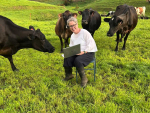
International Day of Rural Women: Two DairyNZ Farmers’ Stories
Today, 15 October, is the International Day of Rural Women, which recognises rural women’s contribution to farming, communities and the environment.




 increase font size
 DairyNZ Chair Tracy Brown said reform was needed, but it needed to be done right.
DairyNZ says the Government’s proposed Resource Management Act reform needs further work to ensure it delivers on its intent.
In December 2025, the Government released two new bills – the Planning Bill and the Natural Environment Bill – to replace the Resource Management Act.
DairyNZ Chair Tracy Brown said reform was needed, but it needed to be done right.
“We fully support the need for change, but it needs to be practical for farmers and beneficial for the environment,” she says.
“The current act is more than 30 years old, so any new legislation needs to reflect the realities of farming now and set both the sector and wider New Zealand economy up for success into the future.
“Reducing complexity, fewer consents, more consistency, and better recognition of the non-regulatory work farmers are already doing, are things we strongly support.”
However, after reviewing the legislation and talking to farmers there are some significant concerns that need to be looked at.
The proposed changes to permitted activities make things more onerous for farmers, says Brown.
“We need clear and practical permitted activity rules for low‑impact farming activities like grazing, track maintenance, and stand-off pads.
"We also have concerns about how environmental limits will be set. We want to ensure they are based on environmental outcomes such as ecosystem health which are achievable and effective in a real working catchment.
“The legislation proposes market‑based approaches to allocation and resource‑use levies. These need to be deferred until there is clear evidence they are a suitable and effective approach.”
 |
|---|
|
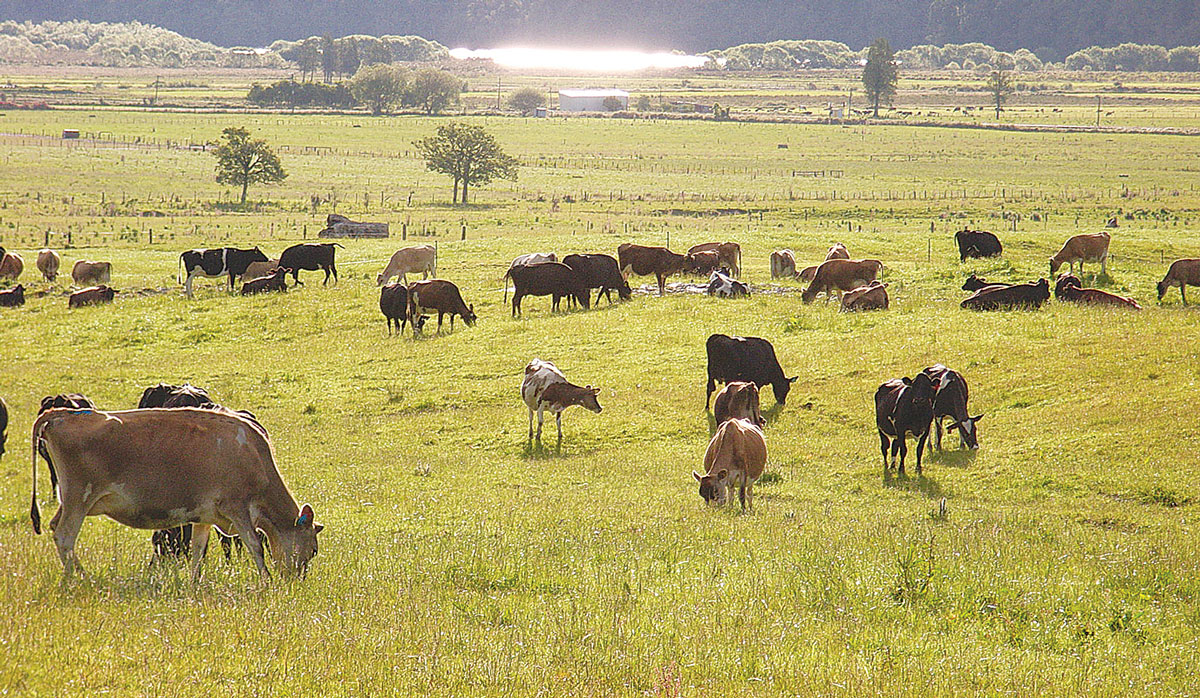
DairyNZ says there need to be clear and practical permitted activity rules. |
Brown says it’s encouraging to see the Government taking on the views of the sector and already ruling out any sort of water tax.
“The proposed changes also mean Freshwater Farm Plans would duplicate consent requirements farmers already face. These plans should be the main tool for managing waterway risks on-farm to avoid duplication and be better tailored to farms individual needs.
“We will continue working with the Government and our sector partners to ensure any reform is effective, workable and enduring.”
Today, 15 October, is the International Day of Rural Women, which recognises rural women’s contribution to farming, communities and the environment.
The first major update to the Dairy Cattle Code of Welfare in more than a decade has been released, marking what DairyNZ describes as an important step in ensuring animal welfare standards continue to evolve alongside scientific evidence and on-farm realities.
Federated Farmers says new legislation replacing the Resource Management Act will cut red tape, unlock investment and help grow New Zealand's export-led economy, after the Planning Bill and Natural Environment Bill passed their third reading in Parliament yesterday.
Beef + Lamb New Zealand (B+LNZ) says it welcomes the passage of the Natural Environment Bill and Planning Bill, calling the bills a positive step for sheep and beef farmers.
Have a plan in place for your cows and staff.



National’s pledge to introduce 19 new national standards shows the party is serious about getting Wellington out of farming, Federated Farmers says.
The National Party’s policies to make it easier to grow fresh vegetables, secure reliable water and energy and simplify farm planning are practical changes that will give growers the confidence to invest, according to Horticulture New Zealand (HortNZ).
Fonterra Co-operative Group chief financial officer Andrew Murray has resigned to take up a role outside the dairy giant.
A major move is about to get underway to improve the quality and viability of dairy beef and cattle in NZ.
Veterinarians say changes to the code of welfare for dairy cattle provides a positive foundation for improved cattle welfare across the country.
Today, 15 October, is the International Day of Rural Women, which recognises rural women’s contribution to farming, communities and the environment.




OPINION: It seems Canterbury processor Synlait is still in the doldrums.
OPINION: Get offside with New Zealand First leader Winston Peters at your own peril.




