
Ravensdown Elects Montgomery, Acland to Board
Ravensdown shareholders have elected Jane Montgomery and Kate Acland to the Ravensdown Board for three-year terms, following a closely contested director election.




 increase font size
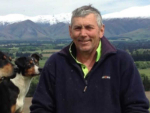
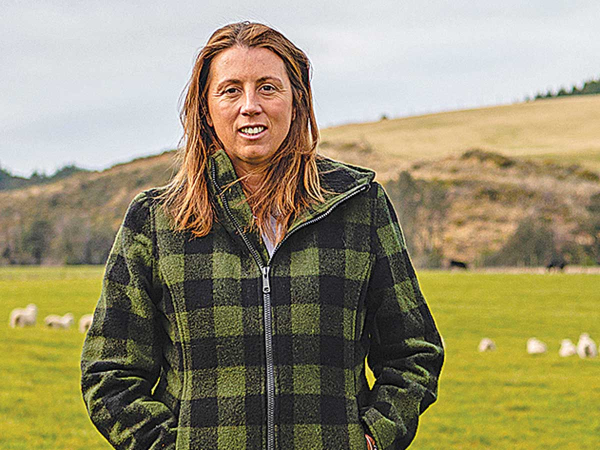 Beef + Lamb NZ chair Kate Acland.
Beef + Lamb NZ (B+LNZ) is calling for significant changes to the Government’s reforms to the Resource Management Act (RMA).
In a submission on the Planning Bill and Natural Environment Bill, B+LNZ says the current wording of the legislation does not match the Government's intent.
Kate Acland, chair of B+LNZ, says her organisation supports the Government’s desire to reform the RMA and agrees with its principles and goals for a replacement.
“The existing system is expensive, complex and becoming mired in litigation,” Acland says.
“We welcome the intent to enable primary sector growth and development, reduce the need for consents, make more activities permitted and reduced litigation,” she adds.
However, she says, the legislation is missing the mark, meaning farmers could be worse off.
“The language is more stringent around setting and managing limits and would likely see the need for more consents, not less,” Acland says.
“There are more onerous requirements on permitted activities.”
Acland says that a lack of appropriate guardrails on the exercise of Ministerial and council powers in several areas combined with a lack of requirement to consider costs and benefits could result in significant economic impacts.
“There are significant issues with the role of, and amount of detail required for, Freshwater Farm Plans, and farmers would also need a consent or permit as well as a Freshwater Farm Plan in many cases.
“We also do not support the introduction of market-based allocation or levies for resource use, and are concerned that the same farming activity will now fall between two Acts and make the process for farmers more complicated and costly.
“These are just some of our concerns around the legislation, so we’re pushing hard for changes,” Acland says.
 |
|---|
|
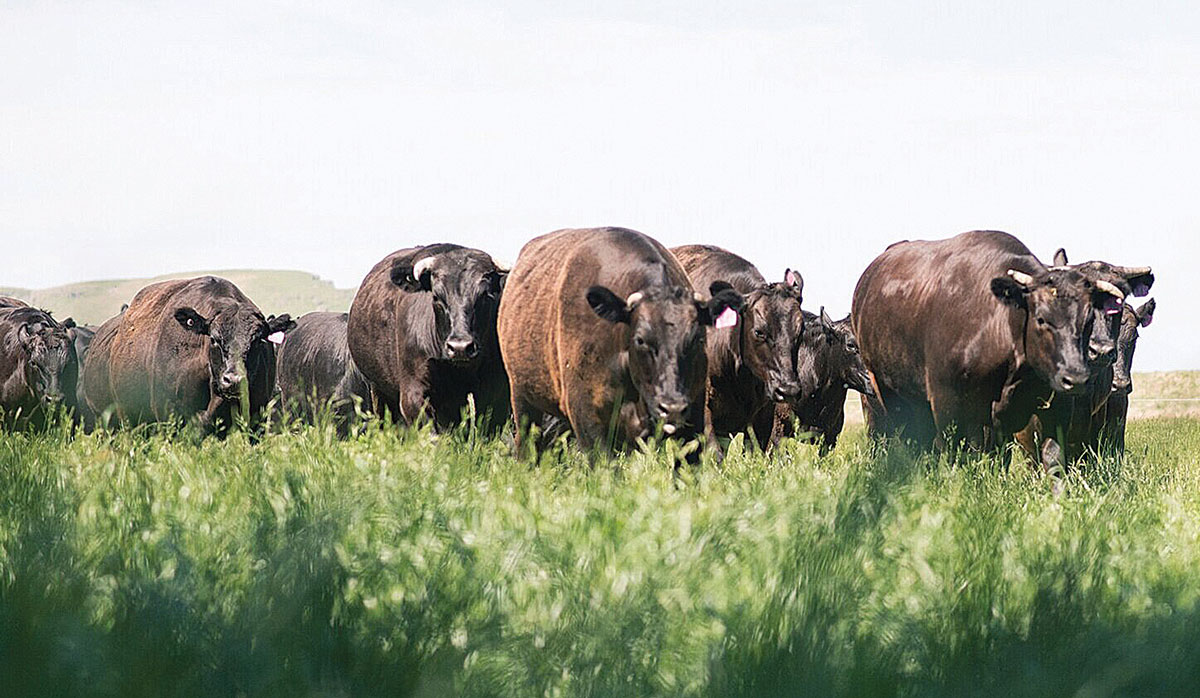
Acland says B+LNZ does not support the introduction of market-based allocation or levies for resource use. |
She says B+LNZ is also calling for other things to be fixed as part of the RMA reform, including current issues surrounding the approach stock drinking water.
“The legislation has simply brought across the existing RMA wording on this, meaning we’ll continue to see increases in stock drinking water being prohibited in plan changes. This needs to be changed to focus on the direct effects of takes that have a more than minor effect or be permitted.”
Acland says there is strong alignment across the agricultural sector on these issues.
She says B+LNZ will make an oral submission to the Environment Select Committee, and will continue to meet with Ministers and officials.
“Freshwater health is incredibly important to farmers, rural communities and New Zealand. We need to get the framework for managing this right. Changes to the legislation are necessary but I’m confident we can get to an enduring framework that’s practical and achievable.”
Ravensdown shareholders have elected Jane Montgomery and Kate Acland to the Ravensdown Board for three-year terms, following a closely contested director election.

Federated Farmers says new legislation replacing the Resource Management Act will cut red tape, unlock investment and help grow New Zealand's export-led economy, after the Planning Bill and Natural Environment Bill passed their third reading in Parliament yesterday.
Beef + Lamb New Zealand (B+LNZ) says it welcomes the passage of the Natural Environment Bill and Planning Bill, calling the bills a positive step for sheep and beef farmers.
As farmers begin thinking about establishing next year’s winter forage crops, Beef + Lamb NZ is encouraging farmers to carefully consider what crops they are planting and where.
Farmgate lamb prices are down by 8%, beef cattle by 4.5% and farm expenditure up by 4.2%.

Alliance is calling for final applications for its 2027 Graduate Programme, with applications closing on Sunday 25 October.
Decades piloting planes has ensured vet and farmer David Hayes is focused on safety. So, after a serious accident while welding on farm, he is sharing his experience so others can learn from it.
Canterbury milk processor, Synlait Milk has confirmed Leon Fung as its chief executive officer.
OPINION: Making it easier to collect rainwater and use it to grow crops and livestock is a no brainer.
As part of its Election 2026 coverage, Rural News asked political parties how they would help pull the arable sector out of the doldrums. Here's what they said:
Farmers are being encouraged to rethink how they manage waste on farm with the launch of ruralwastesorted.co.nz, a new website bringing together practical tips, real farmer experiences and resources.




OPINION: The same mainstream media muppets that brought you Jacindamania in 2017 have been flat out pimping for the Opportunities…
OPINION: Your old mate reckons the atrocious way farmers in the UK are treated by their lords and masters in…




