International Day of Rural Women: Two DairyNZ Farmers’ Stories
Today, 15 October, is the International Day of Rural Women, which recognises rural women’s contribution to farming, communities and the environment.




 increase font size
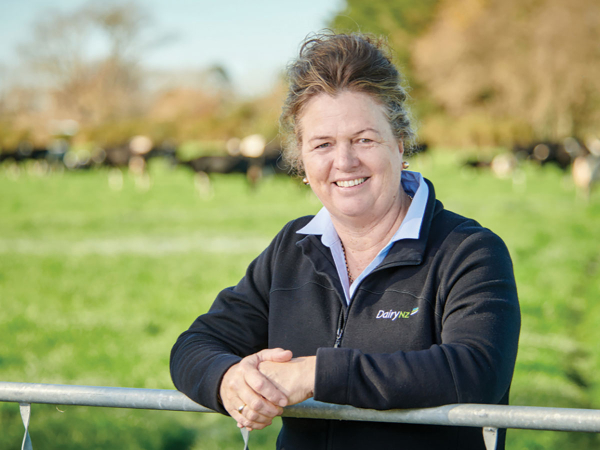 DairyNZ chair Tracy Brown is asking farmers to participate in the Milksolids Levy vote.
Voting has started for the renewal of DairyNZ's milksolids levy.
DairyNZ holds the vote once every six years and chair Tracy Brown says the levy enables the organisation to support farmers in driving on-farm profitability and sustainability through science and research, policy advocacy and extension behind the farm-gate.
“For generations, farmers have been part of each other’s success. Through the milksolids levy, you’ve shared knowledge, the cost of future-focused research, and its on-farm benefits, and established the clear, united voice of dairy that has generated more government support and practical policy,” she says.
“The upcoming milksolids levy vote is a chance to do what you’ve always done for the sector – to come together to continue building a stronger future for New Zealand dairy farming.
“This vote is about whether DairyNZ can keep backing farmers with the research, development and advocacy that move our industry forward. There are no plans to change the current milksolids levy of 4.5 cents per kilogram of milksolids (MS).”
Collected under the terms of the Commodity Levies (Milksolids) Order 2020, the levy is capped at a maximum of 5c/kgMS. Under the proposed Commodity Levies (Milksolids) Order 2026, the maximum rate will stay capped at 5c/kgMS for the term of the new levy order.
Brown is encouraging farmers to vote.
“Our vision is to ensure the levy is the best investment of every New Zealand dairy farmer. A recent independent audit on our industry-good activities funded by the levy revealed a seven-fold return in value,” says Brown.
“I encourage those eligible to vote to reach out to any of your farmer elected directors to discuss.”
She adds that the milksolids levy helps New Zealand farmers be competitive on the world stage through productivity, strong farm systems, and sustainability.
“New Zealand leads the world in responsible dairy production. Together, we support a thriving dairy sector that is intergenerational, where our care for land, people, animals, and community is world class,” she says.
“Your levy underpins this. It’s a collective investment that has supported you on farm and in your community, and what keeps us all moving forward. And there’s more to get done. So, let’s keep ahead. Let’s vote – together.”
Voting closes 5pm Friday 13 March.
Today, 15 October, is the International Day of Rural Women, which recognises rural women’s contribution to farming, communities and the environment.
The first major update to the Dairy Cattle Code of Welfare in more than a decade has been released, marking what DairyNZ describes as an important step in ensuring animal welfare standards continue to evolve alongside scientific evidence and on-farm realities.
Have a plan in place for your cows and staff.
DairyNZ deputy chair Cameron Henderson has been re-appointed unopposed for another term.
OPINION: The stats speak for themselves.


As part of its Election 2026 coverage, Rural News asked political parties how they would help pull the arable sector out of the doldrums. Here's what they said:
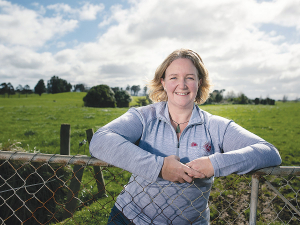
Farmers are being encouraged to rethink how they manage waste on farm with the launch of ruralwastesorted.co.nz, a new website bringing together practical tips, real farmer experiences and resources.
New Zealand Winegrowers (NZW) is celebrating the India-New Zealand Free Trade Agreement (FTA) coming into force today, bringing New Zealand wine improved access to one of the world’s fastest-growing economies.
New Zealand’s red meat sector has welcomed the India-New Zealand Free Trade Agreement taking effect, which removes India’s 33% tariff on New Zealand sheepmeat.
More than 95 per cent of New Zealand’s forestry and wood exports to India can now enter tariff free as the New Zealand-India Free Trade Agreement comes into force today.
Federated Farmers is backing Feilding High School’s call to keep Agriculture and Horticultural Science as a standalone subject in Year 11.


OPINION: It seems Canterbury processor Synlait is still in the doldrums.
OPINION: Get offside with New Zealand First leader Winston Peters at your own peril.




