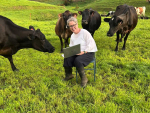
International Day of Rural Women: Two DairyNZ Farmers’ Stories
Today, 15 October, is the International Day of Rural Women, which recognises rural women’s contribution to farming, communities and the environment.




 increase font size
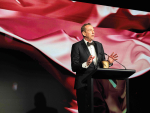
 DairyNZ chair Tracy Brown.
DairyNZ chair Tracy Brown says history shows that when New Zealand needs an economic lift, dairy delivers.
Speaking at the recent celebration of the dairy industry at parliament she said there was no doubt that the present economic recovery was being driven by the dairy sector. She says the $27 billion in dairy exports is something that every farmer can be proud of.
She added that the sector also had a proud history of innovation and technology.
“Our farmers have been pioneers of new technology now used across the world, from electric fences in the 1930s to rotary milksheds in the late 1960s and to today. The next generation of technology – wearables, data tools and AI solutions – are being homegrown right here in NZ,” she says.
Brown says the history of the sector also gives us another important lesson for the future: sustainability and profitability must be considered together.
She says being the biggest part of NZ’s food and fibre sector brings great responsibility.
“We want to meet the challenge of climate change, emissions & adaptation head-on, to continue to drive improvements in water quality, and to support ecosystem health. When we talk about ecosystem health, we mean something simple: healthy water, healthy land & healthy animals, including thriving fish and insect life. All those elements in harmony are good for New Zealand our farmers and our communities,” she says.
Brown says every new tool, technique, and innovation at the farm gate is solving today’s challenges while future-proofing tomorrow’s dairy sector. Our success is in those early mornings, the tough calls, and in farmers’ courage to try something new.
Trade Agenda A Key Priority
Ensuring that the dairy industry has good access to overseas markets is a key priority for DCANZ according to it new chair, Guy Roper.
Speaking to Dairy News at a recent parliamentary breakfast, Roper says as an organisation they work closely with MFAT officials to secure access and to ensure the sector is able to extract the maximum value from the various free trade agreements (FTAs) that have been negotiated.
“We need to keep a close watch on these and really understand how many and what NTBs exist in their various forms.
“So far, we have identified 35 of these and are actively working hard with MFAT to bring these to an end,” he says.
Roper says DCANZ has a really important role to play to enable processor and exporters to deliver if there is growth in the industry and also to make sure that the sector operates in a responsible way. He says one thing that is coming through right across the ag sector is that companies need scale to survive and says this is borne out by the number of mergers taking place.
Today, 15 October, is the International Day of Rural Women, which recognises rural women’s contribution to farming, communities and the environment.
The first major update to the Dairy Cattle Code of Welfare in more than a decade has been released, marking what DairyNZ describes as an important step in ensuring animal welfare standards continue to evolve alongside scientific evidence and on-farm realities.
Have a plan in place for your cows and staff.
DairyNZ deputy chair Cameron Henderson has been re-appointed unopposed for another term.
OPINION: The stats speak for themselves.


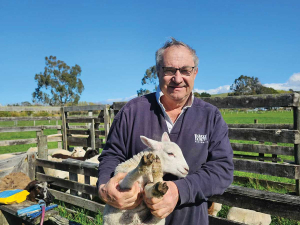
Decades piloting planes has ensured vet and farmer David Hayes is focused on safety. So, after a serious accident while welding on farm, he is sharing his experience so others can learn from it.
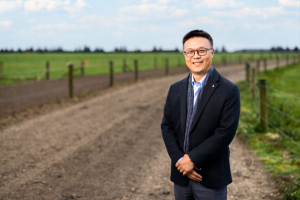
Canterbury milk processor, Synlait Milk has confirmed Leon Fung as its chief executive officer.
OPINION: Making it easier to collect rainwater and use it to grow crops and livestock is a no brainer.
As part of its Election 2026 coverage, Rural News asked political parties how they would help pull the arable sector out of the doldrums. Here's what they said:
Farmers are being encouraged to rethink how they manage waste on farm with the launch of ruralwastesorted.co.nz, a new website bringing together practical tips, real farmer experiences and resources.
New Zealand Winegrowers (NZW) is celebrating the India-New Zealand Free Trade Agreement (FTA) coming into force today, bringing New Zealand wine improved access to one of the world’s fastest-growing economies.

OPINION: It seems Canterbury processor Synlait is still in the doldrums.
OPINION: Get offside with New Zealand First leader Winston Peters at your own peril.




