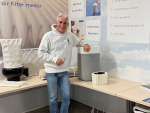
Lanaco and Blueair Launch World-First NZ Wool Air Filter
New Zealand wool is reaching new heights as air filtration companies move away from synthetic products to biodegradable alternatives.




 increase font size

Rural internet is powering Mobile Health Solutions (MHS) as a unique paperless mobile surgical centre, the first of its kind in the southern hemisphere.
MHS runs a fully equipped operating theatre in a purpose built 20m bus. It travels the length of New Zealand offering surgical services to rural areas. The bus does a five week cycle clocking up 50,000km a year and has performed 18,500 operations.
Spark Digital provides broadband to the unit using a dual option service that can resort to 3G from 4G and vice versa as required. This connects the bus to central health record systems and to services like Virtual Clinic, a video conferencing service for health professionals.
Virtual Clinic allows smartphones, tablets, desktop and laptops and room-based video conferencing systems to connect to the ‘connected health community’.
MHS uses Virtual Clinic to run video conferences for surgical skill training, and to keep in touch with the wider health community.
Mark Eager, MHS general manager, says business wouldn’t be able to provide its mobile surgical bus without the rural network coverage.
“The mobile surgical bus means people can be looked after in their own communities without long journeys to the nearest city hospital. It aims to fill the gap left by rural hospital closures and deliver the kind of service found in large centres.
“Thanks to the bus, surgeons can do dental, plastic, gynaecological, orthopaedic work or general surgery. The only limit is procedures need to be completed in day.”
Eager says the medical technology used in the truck is the same as in any hospital operating theatre, though things are different when it comes to handling patient records.
The unit is largely paperless with information sent over the internet using Spark mobile broadband and stored in the cloud. He says: “All patient information is sent over the internet. A fast secure internet, with great rural coverage is essential.”
New Zealand wool is reaching new heights as air filtration companies move away from synthetic products to biodegradable alternatives.

Generative AI in the workplace, trials in the field, and industry-relevant research took centre stage at this year’s Grape Days events in Central Otago, Hawke’s Bay and Marlborough.
As the clock ticks towards the 3G mobile network shutdown, farmers are being warned to upgrade or risk losing connection to their supply chain.
Virtual fencing company Halter is going global but for founder Craig Piggott, New Zealand farmers will always remain their main partners.
Use of agricultural drones by contractors in New Zealand is soaring.


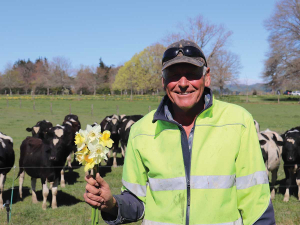
South of the central Hawke’s Bay town of Waipukurau is Taniwha Station – a highly successful 550ha bull beef farming operation.
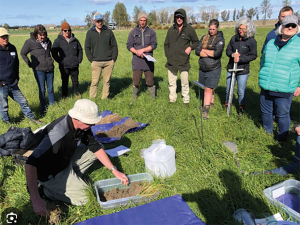
Beef + Lamb NZ funded research has shown that some simple changes to pasture management could help farmers make better use of rainfall and build resilience before dry conditions hit.
OPINION: There could hardly be a more appropriate theme for a conference than the one chosen by the red meat sector - Navigating Volatility.
When Northland leather worker Vernon Suckling started making horse saddles 50 years ago, quad bikes and side-by-side vehicles were unheard of.
Alliance Group has confirmed that eligible farmer-shareholders who supply and continue to back the business will receive up to $20 million later this year, following the strategic investment partnership with Dawn Meats.
With a general election under five weeks away, Rural News is asking major political parties about their policies and positions on key issues facing the primary sector. We will run their responses to each question over the next four weeks. The ACT Party and the Greens didn't respond in time.


OPINION: It seems Canterbury processor Synlait is still in the doldrums.
OPINION: Get offside with New Zealand First leader Winston Peters at your own peril.